How to Avoid Overspending While Traveling: Practical Tips to Stay on Budget
Practical habits for controlling daily travel expenses, avoiding impulse spending, and making your money last without removing the experiences that matter.
One thing I’ve learned from traveling is that it’s often easier to spend more money than you planned ↗. Small purchases, extra snacks, souvenirs, and unexpected activities may not seem expensive at the time, but they can quickly add up over the course of a trip. I’ve found that paying a little attention to my spending each day helps me enjoy my travels without worrying about my budget later.
Avoiding overspending doesn’t mean saying no to every enjoyable experience. Instead, it’s about making thoughtful spending decisions so your money lasts throughout your trip. In this guide, you’ll learn practical ways to control your travel expenses, avoid unnecessary purchases, and stay within your planned budget while still making the most of your journey.
Why Travelers Often Overspend?
Many people begin their trip with a clear budget but end up spending more than expected.
This usually doesn’t happen because of one large purchase.
Instead, it’s often caused by many small spending decisions throughout the trip.
Common reasons include:
- ✓Impulse shopping
- ✓Frequent snacks and drinks
- ✓Extra transportation
- ✓Last-minute activities
- ✓Souvenirs
- ✓Convenience purchases
Being aware of these habits is the first step toward managing your travel expenses more carefully.
Step 1: Set a Daily Spending Limit

Before your trip begins, decide how much you’re comfortable spending each day.
Having a daily limit makes it easier to make spending decisions without constantly wondering whether you can afford something.
Your daily limit may include:
- ✓Meals
- ✓Local transportation
- ✓Attraction tickets
- ✓Shopping
- ✓Entertainment
- ✓Small personal expenses
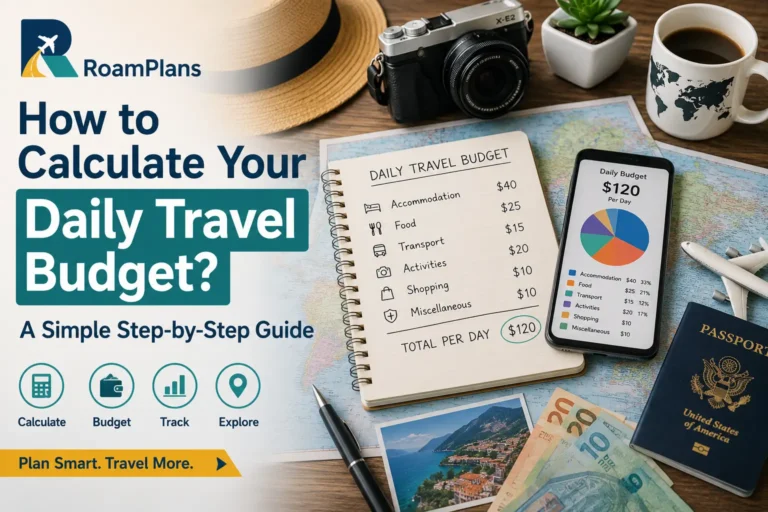
Setting a realistic daily spending limit before your trip makes it much easier to avoid overspending. Our guide on How to Calculate Your Daily Travel Budget explains how to estimate your daily travel expenses.
Step 2: Track Your Spending Throughout the Day

Many travelers underestimate how much they spend because they don’t keep track of small purchases.
Recording your expenses helps you stay aware of where your money is going.
You can track spending using:
- ✓A notebook
- ✓A budgeting app
- ✓Your phone’s notes app
- ✓A simple spreadsheet
You don’t need to record every detail immediately.
Even checking your spending a few times during the day can help you stay within your budget.
Step 3: Think Before Making Every Purchase

Not every purchase needs to happen immediately.
Before buying something, pause for a moment and ask yourself a few simple questions.
For example:
- ✓Do I really need this?
- ✓Will I still want it tomorrow?
- ✓Is this worth the price?
- ✓Does it fit within today’s budget?
Taking a few extra seconds before making a purchase can help reduce unnecessary spending without affecting your travel experience.
Step 4: Avoid Emotional Spending
Travel can be exciting, and it’s easy to make purchases simply because you’re in the moment.
Excitement, boredom, or the fear of missing out can sometimes lead to spending money on things you hadn’t planned to buy.
Instead of buying something immediately, give yourself a little time to think.
In many cases, you’ll find that the urge to make the purchase passes, allowing you to spend your money on experiences or items that matter more.
Step 5: Keep Your Travel Goals in Mind
Every spending decision affects the rest of your trip.
If you spend too much early in your vacation, you may have less money available for activities you’d enjoy later.
Before making optional purchases, remind yourself why you planned your travel budget in the first place.
Keeping your overall travel goals in mind can make it easier to balance enjoying the present while saving enough for the rest of your journey.
Small Decisions Make a Big Difference
Overspending rarely happens because of one expensive purchase.
More often, it’s the result of many small expenses that seem harmless on their own.
Making thoughtful decisions throughout the day can help you stay within your budget while still enjoying everything your destination has to offer.
Step 6: Avoid Impulse Shopping

Souvenir shops, local markets, and shopping streets can be fun to explore, but they can also encourage unplanned spending.
Before buying something, give yourself a little time to think about it.
Ask yourself:
- ✓Do I really need this?
- ✓Will I use it after my trip?
- ✓Is it worth the price?
- ✓Can I find something similar later?
Taking a short pause before making a purchase often helps you avoid buying things you’ll later regret.
Step 7: Compare Prices Before You Buy
Prices for the same product or service can vary from one place to another.
Instead of purchasing the first option you see, spend a few minutes comparing prices if possible.
This can be useful when buying:
- ✓Souvenirs
- ✓Clothing
- ✓Local tours
- ✓Transportation services
- ✓Snacks and drinks
A little comparison doesn’t mean spending hours shopping—it simply helps you make more informed spending decisions.
Step 8: Be Careful Around Tourist Areas
Popular tourist attractions are convenient, but prices there are often higher than in nearby neighborhoods.
This doesn’t mean you should avoid these areas completely.
Instead, be aware that you may pay more for:
- ✓Meals
- ✓Drinks
- ✓Souvenirs
- ✓Convenience items
- ✓Everyday essentials
If you have time, exploring just a few streets away from the busiest attractions may give you more choices and sometimes better value.
Step 9: Make Smart Food and Drink Choices

Food is one of the most enjoyable parts of traveling, but eating without a plan can quickly increase your expenses.
You don’t need to avoid restaurants or local specialties.
Instead, try to balance your spending throughout the day.
For example, you might:
- ✓Enjoy a simple breakfast.
- ✓Choose local restaurants instead of tourist-focused ones.
- ✓Carry a reusable water bottle where it’s safe to refill.
- ✓Buy snacks only when you need them.
- ✓Save larger meals for experiences that are important to you.
This approach allows you to enjoy local food while keeping your spending under control.
Step 10: Separate Your Emergency Money

Emergency funds should only be used for genuine unexpected situations.
Avoid mixing this money with your everyday travel spending.
Keeping it separate helps ensure you’ll still have financial support if you experience:
- ✓Lost belongings
- ✓Medical emergencies
- ✓Unexpected transportation changes
- ✓Other urgent situations
Knowing your emergency money is untouched also gives you greater peace of mind throughout your trip.
Step 11: Use Cash for Smaller Purchases if It Helps
Some travelers find it easier to control spending when using cash for everyday expenses.
Seeing the money leave your wallet can make you more aware of how much you’ve spent.
You might choose to use cash for:
- ✓Snacks
- ✓Coffee
- ✓Public transportation
- ✓Small souvenirs
- ✓Local markets
This approach isn’t necessary for everyone, but it can be a helpful way to stay mindful of your daily spending.
Step 12: Focus on Experiences Instead of Collecting Things

Many of the best travel memories come from experiences rather than shopping.
Instead of buying many souvenirs, consider spending your money on activities that make your trip more memorable.
Examples include:
- ✓Visiting a local attraction
- ✓Taking a guided tour
- ✓Trying traditional food
- ✓Watching a cultural performance
- ✓Enjoying a scenic viewpoint
These experiences often stay with you much longer than items you bring home.
Remember That Every Small Purchase Counts
A single coffee, snack, or souvenir may not seem expensive.
However, several small purchases made throughout the day can gradually push you beyond your planned budget.
Paying attention to these small expenses can help you enjoy your trip without unexpected financial surprises later.
Step 13: Review Your Spending Every Evening

At the end of each day, spend a few minutes reviewing your expenses.
This simple habit helps you understand where your money went and whether you’re staying within your planned spending limit.
Ask yourself:
- ✓Did I stay within today’s budget?
- ✓Were any purchases unnecessary?
- ✓Can I spend differently tomorrow?
- ✓Do I need to adjust my spending for the rest of the trip?
Checking your spending regularly makes it easier to spot small problems before they become larger ones.
Step 14: Stay Flexible with Your Spending
Not every travel day costs the same.
Some days may include attraction tickets or longer transportation, while others may involve relaxing or exploring on foot.
Instead of worrying if one day costs a little more, focus on how to control spending across multiple locations by checking your total expenses for the entire trip.
If you spend extra one day, you may be able to spend a little less on another.
Being flexible helps you enjoy your trip without feeling restricted.
Common Mistakes That Lead to Overspending
Many travelers overspend because of simple habits rather than major purchases.
Try to avoid these common mistakes:
- ✓Not tracking daily expenses.
- ✓Buying souvenirs without planning.
- ✓Making impulse purchases.
- ✓Eating at expensive restaurants for every meal.
- ✓Spending emergency money on everyday expenses.
- ✓Assuming small purchases don’t matter.
- ✓Ignoring your daily spending limit.
Recognizing these habits can help you make better financial decisions throughout your trip.
Travel Spending Checklist
Before and during your trip, use this checklist to help control your spending.
✅ Set a realistic daily spending limit.
✅ Track your expenses regularly.
✅ Think before making purchases.
✅ Compare prices when possible.
✅ Be mindful in tourist areas.
✅ Keep emergency money separate.
✅ Balance cash and card payments.
✅ Review your spending each evening.
✅ Stay flexible if one day costs more than another.
✅ Focus on meaningful experiences instead of unnecessary purchases.
Following these simple habits can help you enjoy your trip without putting unnecessary pressure on your travel budget.
Frequently Asked Questions
Set a daily spending limit, track your expenses, and think carefully before making unplanned purchases. Small habits like reviewing your spending each evening can make a big difference.
Yes. Some days naturally cost more than others. The important thing is to balance your spending over the entire trip instead of focusing on a single day.
No. Carry only the money you expect to need for the day and keep the rest in a secure place. This can improve both your financial planning and your personal security.
Before buying something, pause for a few moments and ask yourself whether you truly need it or whether it’s simply a spontaneous purchase. Giving yourself time to think often leads to better spending decisions.
Use a combination of planning and regular tracking. Knowing your spending, reviewing it daily, and adjusting when needed can help you stay within your overall travel budget.
Final Thoughts
One habit that has helped me avoid overspending on almost every trip is checking my expenses at the end of each day. It only takes a few minutes, but it keeps me aware of where my money is going and helps me make better decisions for the rest of the journey. I never feel like I’m missing out because I’m simply spending more intentionally.
Avoiding overspending while traveling isn’t about limiting your experiences—it’s about making thoughtful choices that help your money last throughout your trip. By planning your daily spending, tracking your expenses, and resisting unnecessary purchases, you can enjoy your travels with greater confidence and return home without unexpected financial stress.
Adnan Ahmed
RoamPlans AuthorTravel Planning Researcher & Editor
Adnan Ahmed is the travel planning researcher and editor behind RoamPlans. He creates clear, practical guides to help travelers compare destinations, plan routes, estimate costs, and avoid common trip-planning mistakes. His work combines careful source research, official travel information, and regular content reviews to keep each guide useful and current.
- ✓Destination Research
- ✓Budget Planning
- ✓Route Planning
- ✓Beginner Travel Guides