Complete Travel Packing Guide: What to Pack for Any Trip (Beginner’s Guide)
Packing may seem like one of the easiest parts of planning a trip, but I’ve learned that it can have a big impact on the entire travel ↗ experience. Early in my travels, I either packed far too much or forgot important items because I waited until the last minute. After a few stressful trips, I created a simple packing routine that I still use today. It helps me stay organized, avoid unnecessary baggage, and travel with confidence.
This complete travel packing guide is designed to help beginners and experienced travelers pack more efficiently for any destination. Rather than giving you one long packing list, it explains the planning process behind smart packing. You’ll learn how to choose the right luggage, decide what to bring, organize your belongings, and avoid common packing mistakes. Throughout this guide, you’ll also find links to more detailed articles that cover each topic in depth.
Why Smart Packing Matters
Packing isn’t just about fitting your belongings into a suitcase.
The way you pack affects your comfort, budget, and overall travel experience.
Packing too much can make your luggage heavy, difficult to carry, and more expensive if your airline charges baggage fees. On the other hand, packing too little may leave you searching for items you need after arriving at your destination.
Smart packing helps you:
- Travel more comfortably.
- Stay organized throughout your trip.
- Reduce unnecessary luggage weight.
- Save time while traveling.
- Lower the chances of forgetting important items.
A little planning before your trip can prevent many common travel problems.
Start Packing Before the Last Minute
One habit that has helped me the most is starting my packing several days before I travel.
Packing the night before a flight often leads to rushed decisions, forgotten essentials, and unnecessary stress. When you give yourself enough time, you can review your packing list, remove unnecessary items, and make thoughtful choices about what you really need.
Even if your trip is only a weekend getaway, preparing early makes the entire travel experience feel much more organized.
Think About Your Destination First
Before placing anything into your suitcase, spend a few minutes thinking about where you’re going.
Every destination has different requirements.
Ask yourself questions like:
- What will the weather be like?
- How long will I be away?
- Will I mostly walk, drive, or use public transportation?
- Are there any dress codes?
- Will I need special equipment or clothing?
- Can I easily buy forgotten items at my destination?
The answers to these questions should guide every packing decision you make.
Consider the Length of Your Trip
The number of travel days plays a major role in deciding what to pack.
A short city break usually requires fewer clothes and toiletries than a two-week international vacation.
Instead of packing “just in case” items for every possible situation, focus on what you’ll realistically use during your trip.
Many travelers discover that they wear the same comfortable clothing several times and return home with many unused items still in their suitcase.
Packing with your trip length in mind helps you avoid carrying unnecessary weight.
Choose the Right Type of Luggage
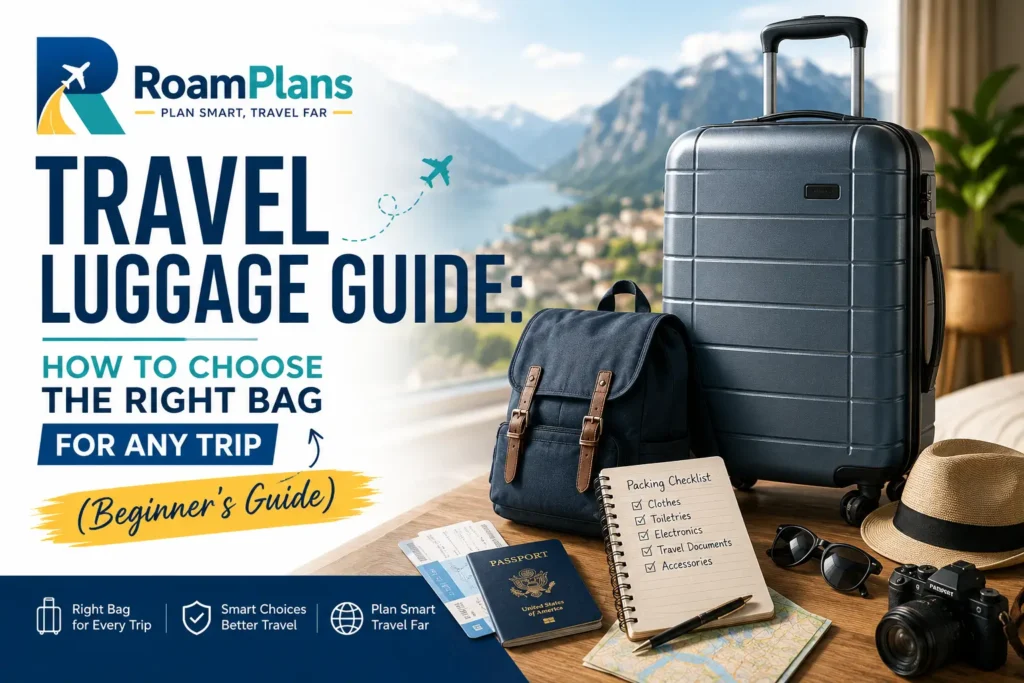
Before you start packing, decide which type of luggage best suits your trip.
The right choice depends on factors such as your destination, transportation, trip length, and travel style.
For example:
- A carry-on suitcase may be perfect for a short weekend trip.
- A larger checked suitcase may work better for longer vacations.
- A travel backpack can be more practical for destinations where you’ll move between different locations.
- A duffel bag may be suitable for road trips or short stays.
Choosing the right luggage before packing makes it much easier to organize everything efficiently.
Our Travel Luggage Guide: How to Choose the Right Bag for Any Trip explains how to select the best luggage for different types of travel.
Create a Packing Plan Before You Pack
Instead of placing random items into your bag, create a simple packing plan.
I usually separate my packing into a few basic groups:
- Clothing
- Toiletries
- Electronics
- Travel documents
- Medicines
- Shoes
- Personal items
Grouping similar items together makes it much easier to see if you’ve forgotten something important.
It also helps prevent overpacking because you can clearly see how many items you already have in each category.
Pack for Activities, Not Just Days
One mistake many travelers make is packing a different outfit for every day of the trip.
Instead, think about the activities you’ll actually be doing.
For example:
- Sightseeing
- Hiking
- Beach visits
- Business meetings
- Fine dining
- Outdoor adventures
Planning around activities often results in fewer clothes while making sure you have everything you need.
Choosing versatile clothing that can be mixed and matched also helps save valuable luggage space.
Aim for Balance Instead of Perfection
Many people worry about creating the perfect packing list.
In reality, there isn’t one perfect way to pack.
Every traveler has different priorities, destinations, and travel styles.
Your goal shouldn’t be packing everything you own or fitting your entire life into one suitcase.
Instead, aim for balance by bringing the items you’ll genuinely use while leaving enough space to travel comfortably and even bring home a few souvenirs if you choose.
Pack Clothing That Works Together
Clothing usually takes up the most space in your luggage, so choosing it carefully can make packing much easier.
Instead of packing many separate outfits, choose clothes that can be mixed and matched. Neutral colors and versatile pieces often work well because they can be worn in different combinations throughout your trip.
For example, one lightweight jacket or sweater may work with several different outfits instead of packing a different outer layer for every day.
The goal isn’t to wear something new every day—it’s to bring clothing that suits your activities while keeping your luggage manageable.
Understand the Difference Between Carry-On and Checked Luggage
Before packing, it’s important to know which items belong in your carry-on bag and which should go into your checked luggage.
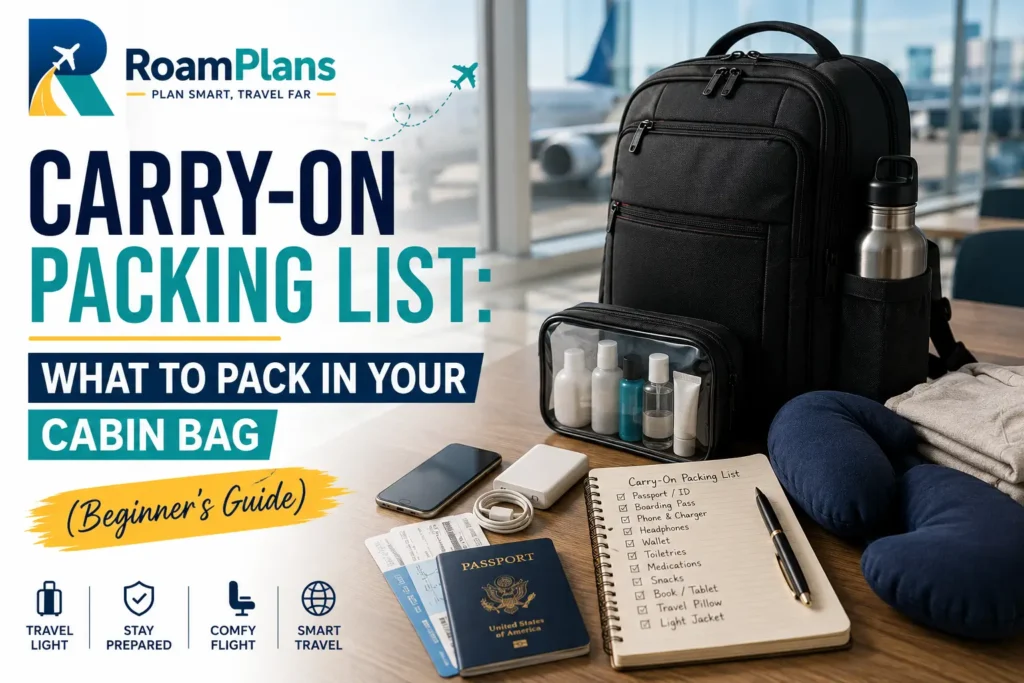
Your carry-on should usually contain the items you’ll need during your journey or immediately after arrival.
This often includes:
- Travel documents
- Wallet
- Phone
- Chargers
- Medications
- A change of clothes
- Valuable electronics
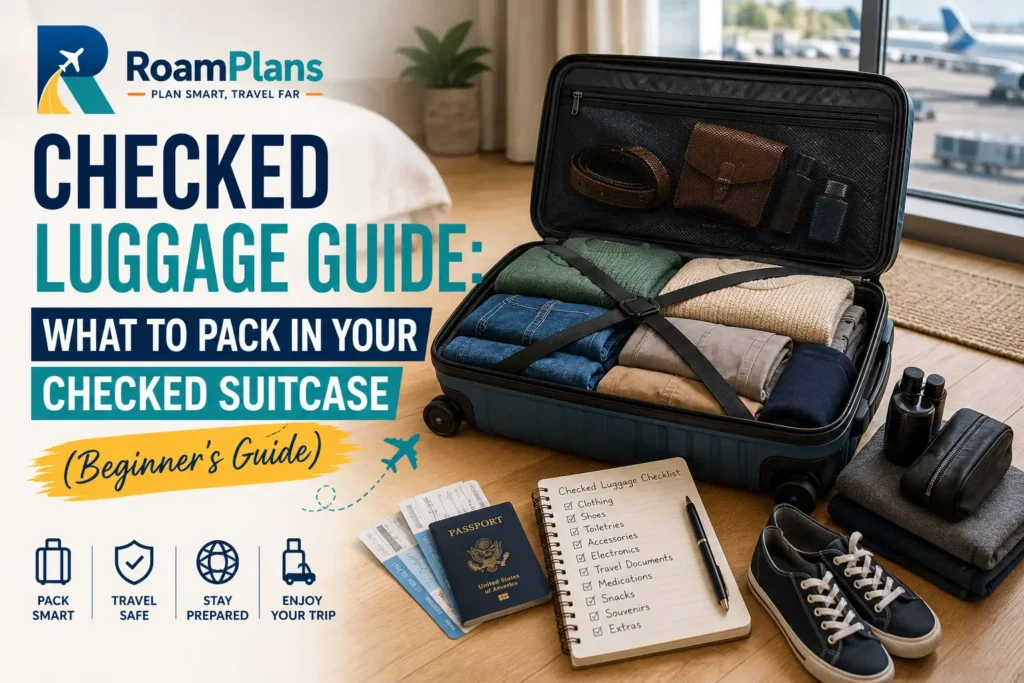
Checked luggage is better suited for larger items such as additional clothing, shoes, and other belongings that you won’t need during your flight.
For a detailed packing list, read our Carry-On Packing List and Checked Luggage Packing Guide.
Pack Toiletries Thoughtfully
Toiletries are easy to overpack because many people bring full-sized products for short trips.
Instead, think about what you’ll realistically use while you’re away.
Basic toiletries often include:
- Toothbrush and toothpaste
- Shampoo and conditioner
- Soap or body wash
- Deodorant
- Skincare products
- Hairbrush or comb
- Sunscreen
- Lip balm
If you’re flying, remember that airlines may have restrictions on liquids in carry-on bags.
Our Travel Toiletries Checklist covers everything you may need while helping you avoid packing unnecessary items.
Don’t Forget Your Electronics
Electronics have become an important part of modern travel.
Depending on your trip, you may need devices for communication, navigation, entertainment, photography, or work.
Common travel electronics include:
- Smartphone
- Phone charger
- Power bank
- Camera
- Charging cables
- Laptop or tablet
- Headphones
- Travel adapter
Before leaving, check that every device is fully charged and that you’ve packed the correct charging accessories.
If you’re unsure which devices are worth bringing, our Electronics Packing Guide explains how to pack them safely and efficiently.
Pack a Basic First Aid Kit
Even healthy travelers can experience minor injuries or illnesses while away from home.
A small first aid kit doesn’t take much space, but it can be very useful when you need it.
You might include:
- Adhesive bandages
- Pain relief medicine
- Antiseptic wipes
- Prescription medications
- Motion sickness tablets
- Allergy medication
- Tweezers
- Small medical tape
The exact contents depend on your destination, planned activities, and personal medical needs.
Our First Aid Kit for Travelers provides a complete guide to building a travel-friendly medical kit.
Keep Your Travel Documents Organized
Your travel documents are some of the most important items you’ll carry.
Before leaving home, make sure you have everything you need in one easily accessible place.
Depending on your destination, this may include:
- Passport
- National ID card
- Boarding passes
- Hotel reservations
- Travel insurance details
- Visa documents
- Emergency contact information
- Copies of important documents
Many travelers also keep secure digital copies stored on their phone or in cloud storage as an extra backup.
Keeping your documents organized can save valuable time at airports, hotels, and border crossings.
Pack for the Weather, Not Just the Season
Many people assume that summer always means hot weather or winter always means freezing temperatures.
In reality, weather conditions can vary significantly depending on your destination.
Before packing, check the local forecast for your travel dates instead of relying only on the season.
For example:
- Coastal areas may become cool in the evening.
- Mountain destinations can experience rapid weather changes.
- Tropical locations may have frequent rain despite warm temperatures.
- Desert regions may be hot during the day but cold at night.
Packing for the actual forecast usually results in a lighter and more practical suitcase.
Adjust Your Packing for Your Destination
Different trips require different packing strategies.
A beach vacation requires very different clothing and accessories than a skiing holiday or a city break.
Instead of using the same packing list for every trip, adjust it based on your destination and planned activities.
Our Beach Vacation Packing List and Winter Vacation Packing List provide destination-specific recommendations that make preparing for these trips much easier.
Leave Some Empty Space
One of the best packing habits I’ve developed is intentionally leaving some empty space in my luggage.
It may seem unnecessary before your trip, but that extra room often becomes useful later.
You might buy souvenirs, local snacks, gifts, or clothing during your travels.
Having a little extra space means you won’t need to force everything into your suitcase or pay for an additional bag on your return journey.
A suitcase that’s packed to about 80–90% of its capacity is usually easier to organize and much more convenient to travel with.
Use Space Wisely
Packing efficiently isn’t only about bringing fewer items—it’s also about using the available space in your luggage wisely.
Simple techniques can help you fit everything comfortably without making your suitcase difficult to close or organize.
For example:
- Roll lightweight clothing instead of folding it.
- Place shoes around the edges of your suitcase.
- Fill shoes with socks or small accessories.
- Keep heavier items near the wheels of rolling luggage.
- Store small items in empty spaces.
These small adjustments can make your luggage more organized and easier to unpack when you arrive.
Stay Organized Throughout Your Trip
Packing isn’t finished once you leave home.
Keeping your luggage organized during your trip saves time and reduces frustration when moving between destinations or preparing for your return journey.
Simple habits include:
- Returning items to the same place after using them.
- Keeping dirty laundry separate from clean clothes.
- Storing chargers together.
- Keeping travel documents in one secure location.
- Repacking the night before changing hotels or catching a flight.
A few minutes of organization each day can prevent a messy suitcase by the end of your trip.
Consider Using Packing Cubes
Packing cubes have become popular because they help separate clothing and accessories into smaller sections.
Some travelers use them to organize clothing by category, while others separate outfits for different days or family members.
Whether they’re worth buying depends on your travel style and how often you travel.
If you’d like to learn their advantages, disadvantages, and the best way to use them, read our guide Packing Cubes: Are They Worth It?
Common Packing Mistakes
Even experienced travelers occasionally make packing mistakes.
Some of the most common include:
- Waiting until the last minute to pack.
- Bringing too many clothes.
- Forgetting important travel documents.
- Packing items “just in case” that are never used.
- Ignoring airline baggage rules.
- Not checking the weather forecast.
- Overfilling the suitcase.
- Forgetting chargers or power adapters.
Most of these mistakes can be avoided with a simple packing routine and a little preparation.
Our guide on Packing Mistakes to Avoid explains these issues in greater detail and shares practical ways to prevent them.
A Simple Packing Routine That Works
Over time, I’ve found that following the same routine before every trip makes packing much easier.
My routine usually looks like this:
- Check the destination and weather.
- Confirm travel documents.
- Choose the appropriate luggage.
- Prepare a simple packing list.
- Pack clothing first.
- Add toiletries and personal care items.
- Pack electronics and chargers.
- Add medicines and emergency items.
- Leave some extra space.
- Do one final review before closing the suitcase.
Following the same process each time helps reduce stress and lowers the chance of forgetting something important.
Complete Travel Packing Checklist
Before leaving for your trip, use this checklist as a final reminder.
- ✅ Check your destination’s weather forecast.
- ✅ Choose the right luggage for your trip.
- ✅ Pack versatile clothing.
- ✅ Prepare your carry-on essentials.
- ✅ Pack toiletries.
- ✅ Bring necessary electronics and chargers.
- ✅ Carry required medications.
- ✅ Organize travel documents.
- ✅ Leave extra luggage space.
- ✅ Review everything before departure.
This checklist won’t replace destination-specific packing lists, but it provides a solid foundation for almost any trip.
Frequently Asked Questions
What is the best way to pack for a trip?
The best approach is to start packing several days before departure, check your destination and weather, choose the right luggage, organize your belongings into categories, and pack only what you’ll realistically need.
How early should I start packing?
Starting two or three days before your trip gives you enough time to prepare without rushing. It also allows you to review your packing list and avoid forgetting important items.
How can I avoid overpacking?
Focus on versatile clothing, pack according to your planned activities instead of bringing “just in case” items, and review your suitcase before closing it. If you haven’t used something on recent trips, you probably don’t need it this time either.
Should I use a packing checklist?
Yes. A checklist helps you stay organized, reduces the chance of forgetting important items, and makes packing faster for future trips.
Is it better to roll or fold clothes?
Both methods work well. Rolling often saves space and can reduce wrinkles for many types of clothing, while folding may be better for structured garments such as dress shirts, blazers, or formal wear.
Final Thoughts
Packing doesn’t have to be stressful or complicated. I’ve found that the best trips usually begin with a simple plan rather than an overstuffed suitcase. Taking a little extra time to think about your destination, organize your belongings, and pack with purpose makes traveling much smoother from the moment you leave home until you return.
Use this guide as your starting point whenever you’re preparing for a trip. As your plans become more specific, the detailed guides linked throughout this article can help you choose the right luggage, organize your essentials, pack for different destinations, and avoid common mistakes. Together, they provide a complete travel packing system that works for almost any journey.