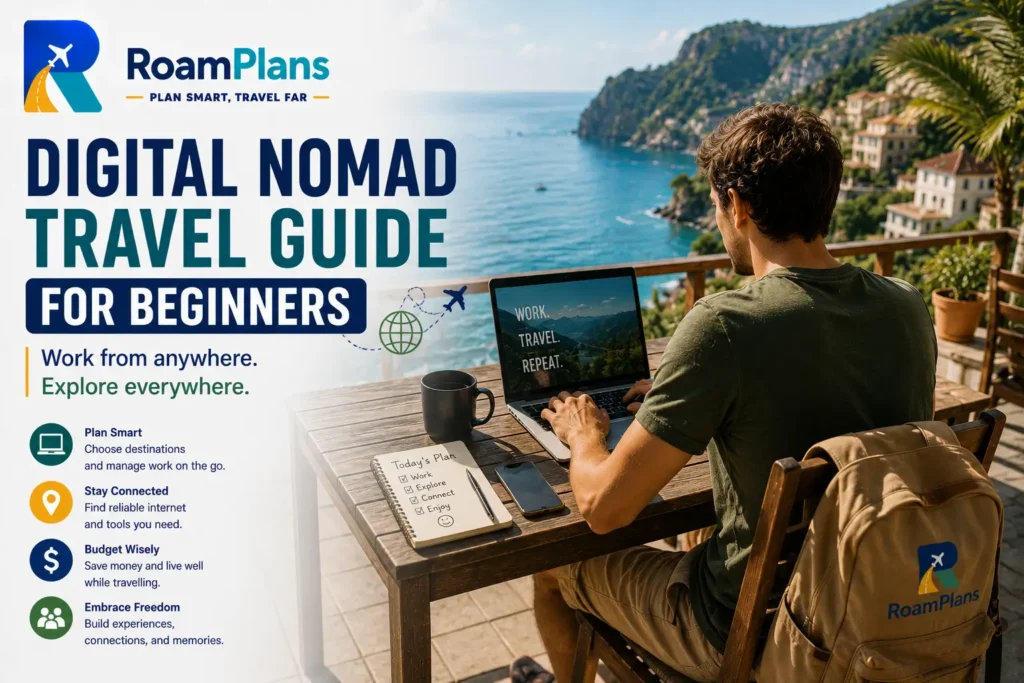
Digital Nomad Travel Guide for Beginners
Digital Nomad Travel Guide for Beginners | RoamPlans RoamPlans · Travel Styles Digital Nomad Travel Guide for Beginners ✓ Practical guidance⌖ International travel✦ Updated…
Read guide →
When I first started planning trips, I thought travel was mostly about choosing a destination, booking flights, and finding somewhere to stay. Over time, I realized that two people can visit the same destination and have completely different experiences. One person may enjoy exploring alone, another may prefer traveling with family, while someone else may want a quiet trip with fewer places and more time in each one. Learning this changed how I plan my own trips because I started thinking about how I wanted to travel before deciding what to book.
Your travel style is simply the way you prefer to experience a trip. It can be influenced by your budget, available time, personality, travel companions, and the experience you want. This guide introduces the main travel styles and helps you recognize which ones may suit you. You don’t need to fit into one fixed category, and your preferred style can change depending on the trip.
A travel style describes how you prefer to travel and experience a destination.
It can influence decisions such as:
For example, someone traveling alone may value flexibility, while a family may place greater importance on comfort and convenience.
Neither approach is better. They simply reflect different travel needs.
Knowing your travel style can make planning much easier.
Instead of copying someone else’s itinerary, you can make decisions based on what actually works for you.
Your travel style can affect:
I’ve found that trips usually feel better when the plan matches the way I actually like to travel rather than what other travelers say I should do.
There isn’t one factor that determines how you travel.
Several things can influence it.
Some travelers enjoy independence and making decisions as they go.
Others prefer sharing experiences and plans with family, friends, or a partner.
Your personality can affect whether you enjoy a highly social trip, plenty of personal time, or a mixture of both.
Your available budget can influence your choices, but it doesn’t completely define your travel style.
Two travelers with similar budgets may spend their money very differently.
One may prioritize accommodation, while another prefers spending more on food or experiences.
The amount of time you have can change how you travel.
A short vacation may require a more focused itinerary, while a longer trip can give you more flexibility to spend extra time in each destination.
Traveling alone feels very different from traveling with a partner, children, or a group of friends.
Your travel companions can affect:
This is why the same person may have a different travel style on different trips.
Solo travel means taking a trip without a regular travel companion.
It often appeals to people who value:
Traveling alone also means handling your own bookings, decisions, and daily plans.
For some people, that freedom is one of the biggest attractions of solo travel. Others may prefer having someone to share decisions and experiences with.
If you’re considering traveling alone, our Solo Travel Guide for Beginners explains how to plan your first solo trip in more detail.
Couples travel involves planning and experiencing a trip with your partner.
Unlike solo travel, many decisions need to work for two people.
This can include:
One person may enjoy packed sightseeing days while the other prefers a slower schedule. Good couples travel usually involves finding a balance that allows both people to enjoy the trip.
Our Couples Travel Guide: How to Plan a Trip Together covers the planning side of traveling as a couple without turning the trip into one person’s itinerary.
Family travel has different needs because plans may need to work for adults and children at the same time.
Families often consider:
I’ve found that trying to fit too much into a travel schedule can make a trip feel rushed. This becomes even more noticeable when several people have different energy levels and interests.
Family travel often works better when the itinerary leaves some room for rest and unexpected changes.
Our Family Travel Guide for Beginners covers the full planning process for traveling with children and other family members.
Travel styles aren’t permanent labels.
You might travel solo on one trip, take a family vacation later, and choose a completely different experience with your partner.
Your preferences may also change as your:
What matters is recognizing what fits the trip you’re planning now.
In the next sections, we’ll look at other travel styles, including group travel, luxury travel, slow travel, sustainable travel, and digital nomad travel, without replacing the dedicated guides for each one.
Group travel means sharing a trip with friends, relatives, colleagues, or several people traveling together.
It can be enjoyable because:
At the same time, group travel usually requires more coordination because everyone may have different budgets, interests, and schedules.
The key difference between group travel and other styles is that decisions need to work for more than one or two people.
Our Group Travel Guide: How to Plan a Trip With Friends or Family explains how to organize shared plans, costs, and responsibilities in more detail.
Luxury travel focuses on comfort, convenience, quality, and premium experiences.
It may include:
Luxury travel doesn’t necessarily mean spending without limits.
For many travelers, it simply means choosing where extra spending adds the most value.
Some people may prefer a better hotel, while others may spend more on private tours, food, or transportation.
Our Luxury Travel Guide: How to Plan a Premium Trip looks more closely at how to plan this type of experience without wasting money.
Slow travel is about spending more time in fewer places.
Instead of trying to visit as many destinations as possible, slow travelers usually prefer:
This style often appeals to travelers who want to experience everyday life in a destination rather than move quickly from one place to another.
I’ve found that slower trips can sometimes feel more rewarding because there is less pressure to see everything at once.
Our Slow Travel Guide: How to Travel at a Relaxed Pace explains how to plan this type of trip in more detail.
Sustainable travel focuses on making more responsible choices during a trip.
This can include:
It doesn’t mean every part of a trip has to be perfect.
Instead, it means making better choices where possible.
For travelers who want to reduce their impact while still enjoying their trip, our Sustainable Travel Guide: How to Travel More Responsibly covers this style in more detail.
Digital nomad travel combines travel with remote work.
Unlike a traditional vacation, digital nomads often stay in one place for longer periods because they need time to work as well as explore.
Important needs may include:
This style suits people who can work remotely and want to combine their job with travel.
Our Digital Nomad Travel Guide for Beginners explains how to plan around work, accommodation, internet access, and longer stays.
Many trips don’t fit neatly into one category.
For example, you could be:
This is normal.
Travel styles are useful because they help you understand your priorities, but they don’t need to limit your choices.
The best plan is often a combination of different styles.
The way you travel today may be very different from the way you travel several years from now.
Your preferences can change because of:
Someone who once preferred fast-paced solo trips may later enjoy slower family vacations.
Another traveler may move from budget trips to more premium experiences.
There is no right or wrong progression.
Your travel style should simply match your current needs and the trip you’re planning.
You don’t need to decide that you’re a “luxury traveler” or “slow traveler” before planning every trip.
A better approach is to ask:
The answers usually make your travel style much clearer.
Instead of forcing yourself into one category, use these styles as a planning tool to build a trip that feels right for you.
You don’t need to fit perfectly into one travel style. The goal is to understand what matters most to you so you can plan trips that match your needs.
Before planning your next trip, ask yourself:
Your answers can point you toward one or more travel styles.
| Travel Style | Usually Best For | Main Priority |
| Solo Travel | Independent travelers | Freedom and flexibility |
| Couples Travel | Partners | Shared experiences |
| Family Travel | Parents and families | Comfort and practical planning |
| Group Travel | Friends and larger families | Shared planning |
| Luxury Travel | Travelers with a higher trip budget | Comfort and premium experiences |
| Slow Travel | Travelers with more time | Relaxed pace and longer stays |
| Sustainable Travel | Responsible travelers | Lower-impact choices |
| Digital Nomad Travel | Remote workers | Balancing work and travel |
This table isn’t meant to place you into a fixed category. You may match several styles depending on the trip.
Another simple way to identify your style is to decide what matters most.
Solo travel may suit you because you can make many decisions independently.
Couples, family, or group travel may be a better fit.
You may prefer elements of luxury travel.
Slow travel may suit the way you like to explore.
You can include sustainable travel practices in almost any type of trip.
Digital nomad travel may fit your lifestyle better than a traditional vacation.
These aren’t strict rules. They’re simply clues that can help you understand your preferences.
One mistake I made when I was less experienced was trying to plan trips based on what seemed popular rather than what actually suited me. A packed itinerary might look impressive, but it isn’t useful if you prefer having time to explore without rushing.
Other common mistakes include:
Your trip should work for you rather than fit someone else’s idea of the perfect vacation.
Before planning your next trip, use this simple checklist.
Travel styles describe the different ways people prefer to experience a trip. They can be shaped by budget, personality, travel companions, available time, and personal priorities.
Common styles include solo, couples, family, group, luxury, slow, sustainable, and digital nomad travel. Many travelers combine more than one style.
Think about who you like traveling with, your budget, preferred pace, comfort level, available time, and the experiences you enjoy most.
Yes. You might combine solo and slow travel, couples and luxury travel, or family and sustainable travel. Your style can change from one trip to another.
Yes. Your preferred accommodation, transportation, activities, trip length, and level of comfort can all affect how much you spend.
Yes. Your budget, work, family situation, interests, and travel experience can change, so the way you prefer to travel may change as well.
In short, After planning different kinds of trips, I’ve learned that there is no single best way to travel. What works well for one person may feel tiring, expensive, or restrictive to someone else. I get better results when I first think about who I’m traveling with, how much time I have, what I want from the trip, and the pace that feels comfortable.
Your travel style doesn’t need to become a permanent label. Use it as a simple way to make better planning decisions for each trip. Once you know what matters most to you, choosing destinations, accommodation, activities, and schedules becomes much easier.
Browse practical guides, clear explanations, and step-by-step travel advice.
Digital Nomad Travel Guide for Beginners | RoamPlans RoamPlans · Travel Styles Digital Nomad Travel Guide for Beginners ✓ Practical guidance⌖ International travel✦ Updated…
Read guide →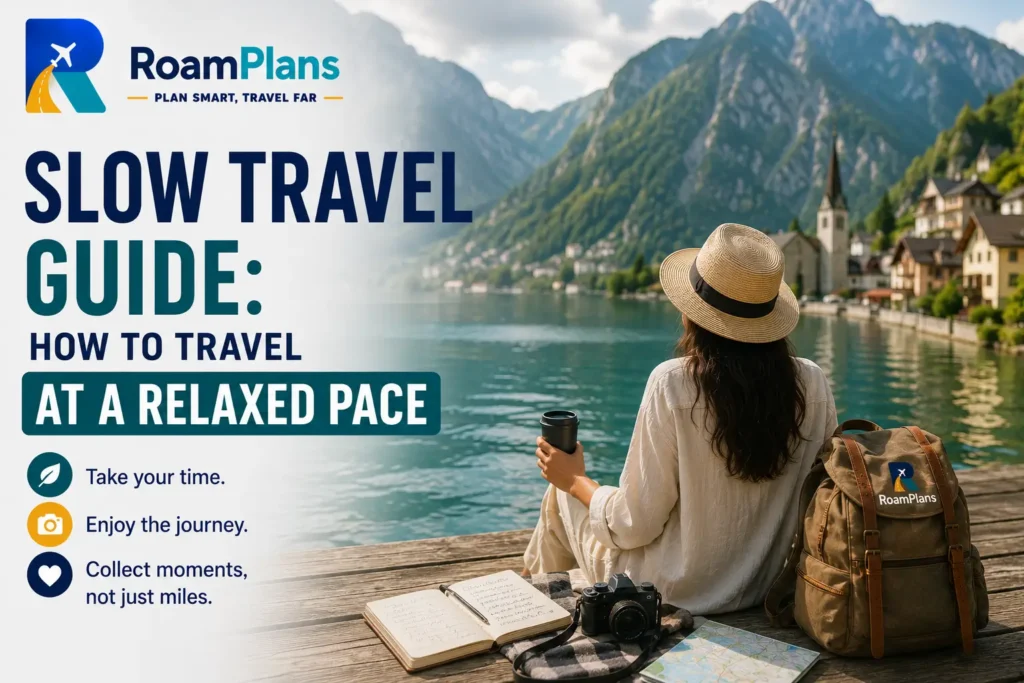
Slow Travel Guide: How to Travel at a Relaxed Pace | RoamPlans RoamPlans · Travel Styles Slow Travel Guide: How to Travel at a…
Read guide →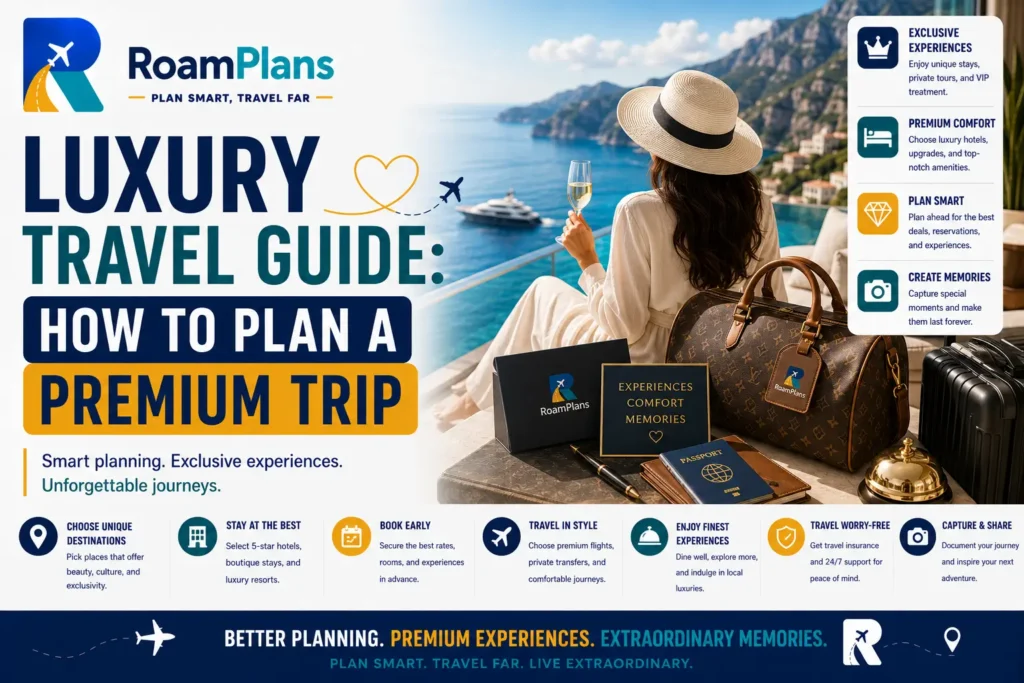
Luxury Travel Guide: How to Plan a Premium Trip | RoamPlans RoamPlans · Travel Styles Luxury Travel Guide: How to Plan a Premium Trip…
Read guide →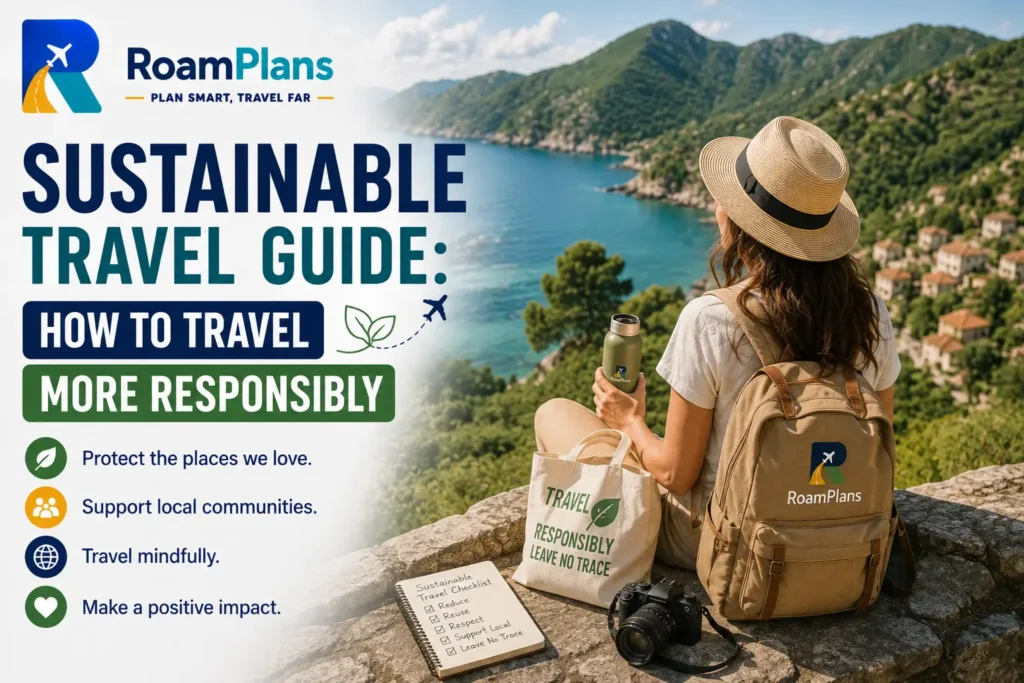
Sustainable Travel Guide: How to Travel More Responsibly | RoamPlans RoamPlans · Travel Styles Sustainable Travel Guide: How to Travel More Responsibly ✓ Practical…
Read guide →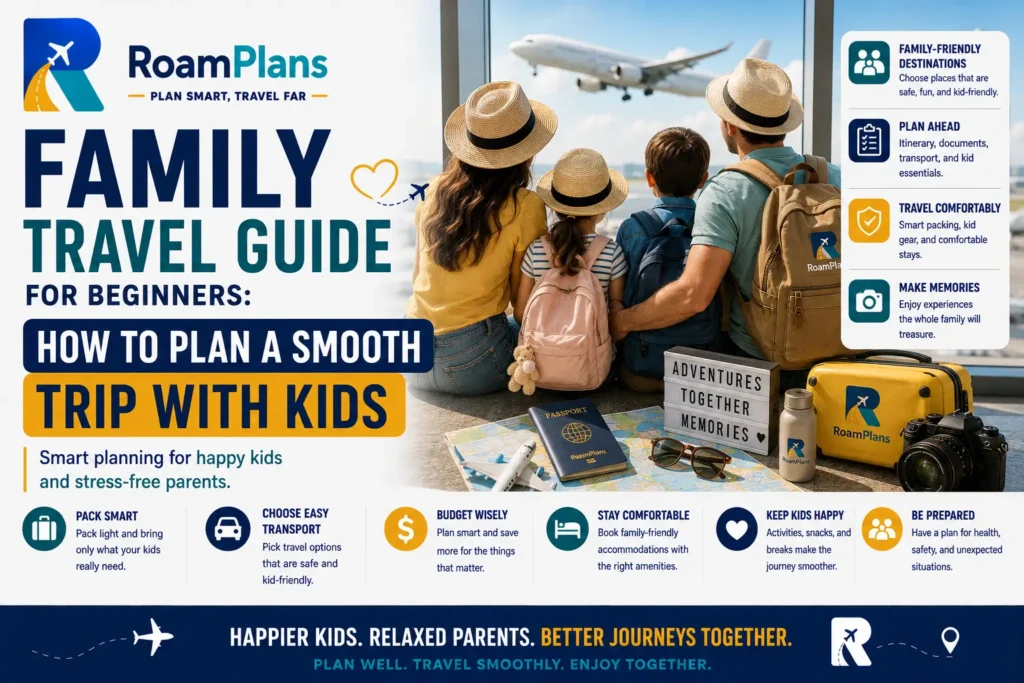
Family Travel Guide for Beginners: How to Plan a Smooth Trip with Kids | RoamPlans RoamPlans · Travel Styles Family Travel Guide for Beginners:…
Read guide →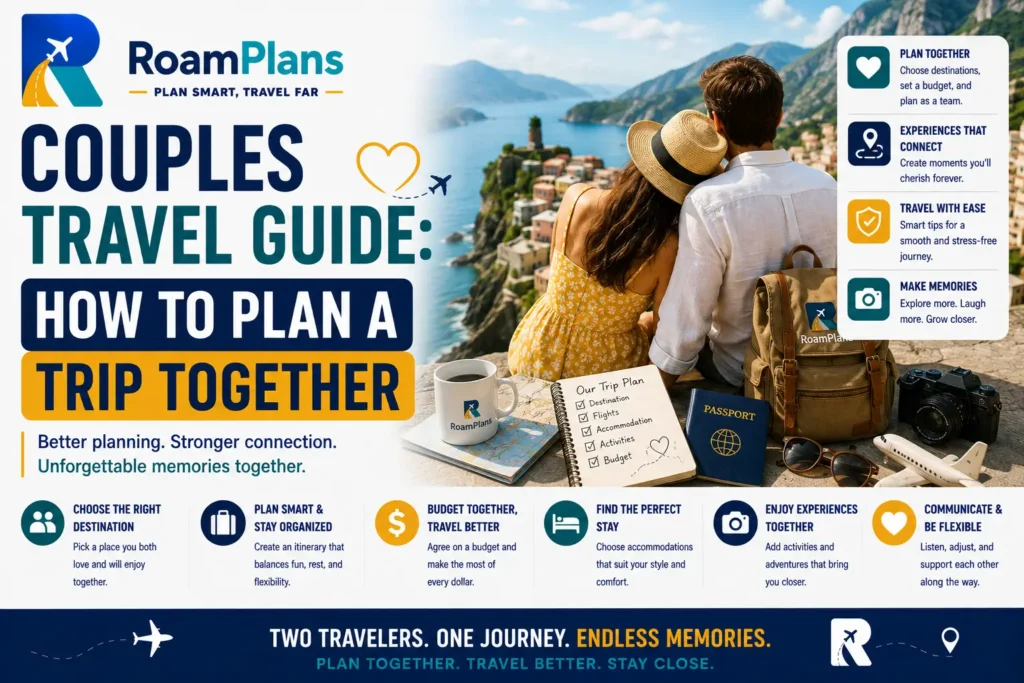
Couples Travel Guide: How to Plan a Trip Together | RoamPlans RoamPlans · Travel Styles Couples Travel Guide: How to Plan a Trip Together…
Read guide →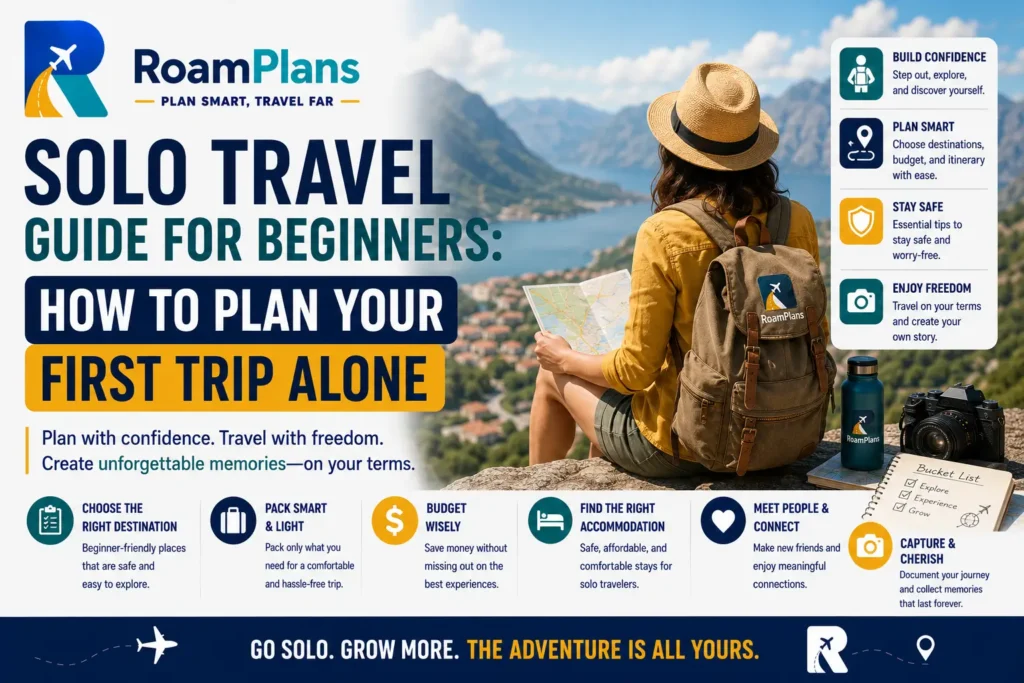
Solo Travel Guide for Beginners: How to Plan Your First Trip Alone | RoamPlans RoamPlans · Travel Styles Solo Travel Guide for Beginners: How…
Read guide →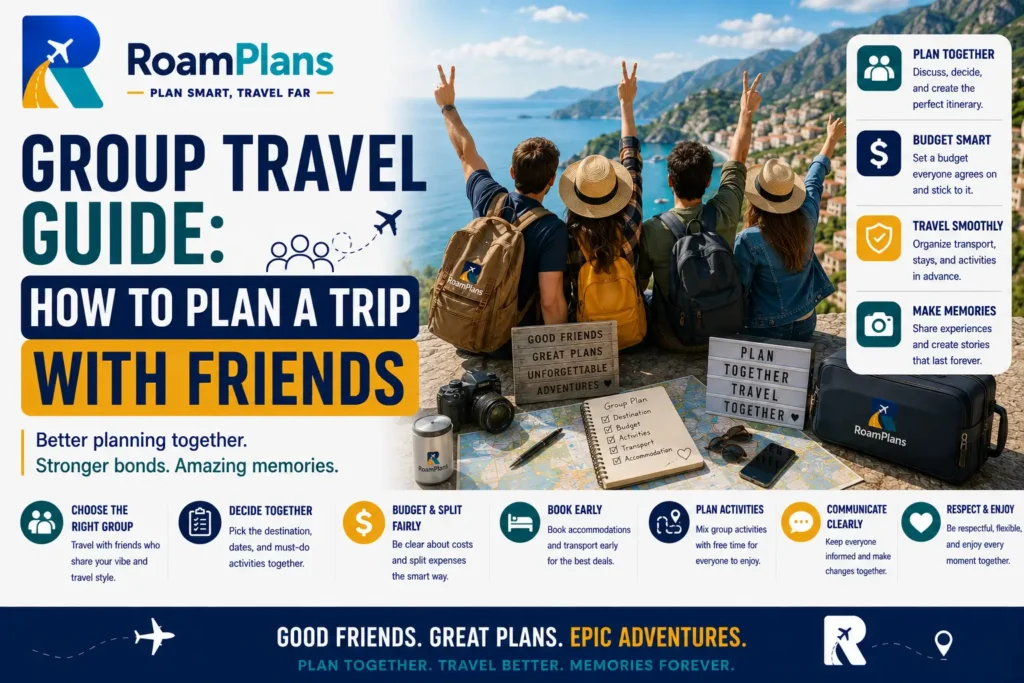
Group Travel Guide: How to Plan a Trip with Friends | RoamPlans RoamPlans · Travel Styles Group Travel Guide: How to Plan a Trip…
Read guide →Use a practical travel tool to organize your budget, itinerary, packing, or trip costs.