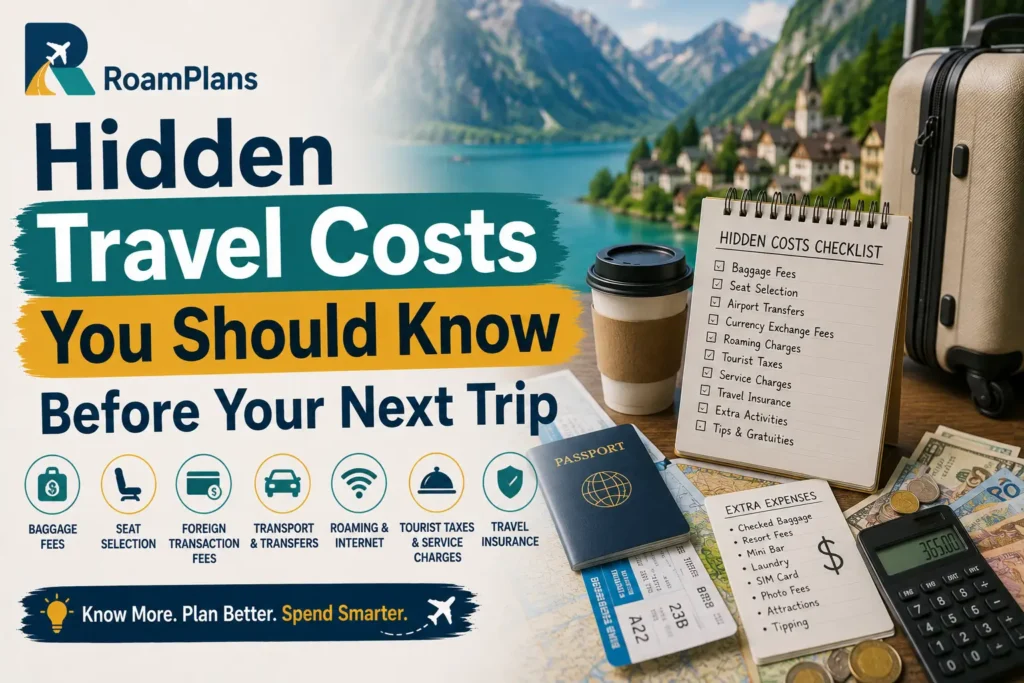
Hidden Travel Costs You Should Know Before Your Next Trip
Hidden Travel Costs You Should Know Before Your Next Trip | RoamPlans RoamPlans · Budget Travel Hidden Travel Costs You Should Know Before Your…
Read guide →
Traveling on a budget doesn’t mean giving up comfort, memorable experiences, or the places you’ve always wanted to visit. Over the years, I’ve learned that the most successful budget trips aren’t always the cheapest—they’re the ones that are carefully planned. A little preparation before you leave can help you spend less, avoid unnecessary costs, and enjoy your trip with far less financial stress.
This guide is designed to give you a complete overview of budget travel. Rather than focusing deeply on one topic, it brings together the most important parts of planning an affordable trip—from creating a budget and choosing the right time to travel to managing your daily spending and avoiding common mistakes. Think of this as your starting point, with links to more detailed guides whenever you want to explore a topic further.
Budget travel is the practice of planning and enjoying trips while making smart financial decisions.
It doesn’t mean booking the cheapest hotel, skipping every attraction, or eating the least expensive meals every day. Instead, it means spending your money where it matters most while avoiding unnecessary expenses.
The goal is to get the best value from your travel budget so you can enjoy your trip without overspending.
One of the biggest misunderstandings about budget travel is that it’s only about spending as little money as possible.
In reality, experienced travelers often focus on value rather than the lowest price.
For example:
Making balanced decisions usually creates a better travel experience than simply choosing the cheapest option every time.
Many people believe they need a large amount of money before they can travel.
In my experience, planning has a much bigger impact than the size of your budget.
Even a modest travel budget can go much further when you:
Good planning helps you make informed decisions before your trip even begins.
Budget travel isn’t one single task.
It’s made up of several smaller decisions that work together.
These include:
Understanding each of these areas helps you build a stronger travel plan.
Before booking anything, it’s important to know how much you can comfortably spend.
Creating a travel budget gives you a clear picture of your expected expenses and helps you avoid making financial decisions based on guesswork.
Rather than estimating random numbers, a well-planned budget considers transportation, accommodation, food, activities, insurance, shopping, and emergency expenses.
If you’re ready to build your budget step by step, read our complete guide on How to Create a Travel Budget, where we explain the entire budgeting process in detail.
A successful budget trip usually starts long before departure.
Building a travel fund ahead of time reduces financial pressure and gives you greater flexibility when planning your trip.
Simple habits like setting aside a small amount each week, reducing unnecessary spending, or creating a dedicated travel savings account can make your next vacation much easier to afford.
Our guide on How to Save Money Before Traveling shares practical strategies that can help you prepare financially without making major lifestyle changes.
Some travelers worry that spending less automatically means enjoying less.
That isn’t necessarily true.
Many memorable travel experiences are inexpensive or even free.
Walking through historic neighborhoods, visiting public parks, hiking scenic trails, exploring local markets, watching sunsets, or joining free walking tours often become some of the most rewarding parts of a trip.
Budget travel encourages thoughtful spending rather than limiting your experiences.
There are countless articles promising secret travel hacks that supposedly cut travel costs overnight.
While some tips can be useful, long-term budgeting success usually comes from consistent habits instead.
These habits include:
Small decisions made consistently often have a greater impact than searching for one perfect money-saving trick.
The timing of your trip can have a major impact on your overall travel budget.
Flights, hotels, attractions, and even local transportation often become more expensive during holidays and peak tourist seasons. On the other hand, traveling during quieter periods can help you save money without changing your destination.
When planning a trip, it’s worth comparing travel dates before booking anything. Even shifting your departure by a few days or traveling during the shoulder season can lead to noticeable savings.
If you’d like to learn how travel seasons affect prices, our guide on Cheapest Time of Year to Travel explains when and why travel costs change throughout the year.
Transportation is often one of the largest travel expenses.
Instead of focusing only on finding the lowest airfare, consider your entire journey.
For example, ask yourself:
Sometimes paying slightly more upfront can reduce your total travel costs.
Comparing your options before booking usually leads to better overall value.
Accommodation affects both your comfort and your budget.
The cheapest room isn’t always the smartest choice.
Think about factors such as:
For many travelers, staying near major attractions or transportation hubs can reduce daily travel costs and save valuable time.
The best accommodation is one that balances price, convenience, and comfort.
Even travelers with a well-planned budget can overspend if they aren’t paying attention to everyday expenses.
Meals, drinks, local transportation, snacks, souvenirs, and small purchases can quickly add up over several days.
Having a daily spending target makes it easier to stay aware of your budget without constantly worrying about every purchase.
If you want to learn how to estimate a realistic daily allowance, our guide on How to Calculate Your Daily Travel Budget explains the process in detail.
Many travel budgets focus only on flights and hotels.
However, smaller expenses are often responsible for pushing travelers over budget.
Examples include:
Planning for these expenses helps you avoid financial surprises during your trip.
Our complete guide on Hidden Travel Costs You Should Know explains these commonly forgotten expenses and how to prepare for them.
If you’re traveling internationally, understanding how currency exchange works can help you avoid unnecessary fees.
Many travelers lose money simply because they exchange currency at expensive locations or use payment methods with poor exchange rates.
Before your trip, it’s helpful to understand:
Our Currency Exchange Guide for Travelers explains these topics in more detail so you can manage your money more confidently abroad.
Budget travel doesn’t stop once your trip begins.
Keeping track of your expenses helps you understand where your money is going and whether you need to adjust your spending.
Many travelers use a simple spreadsheet or expense tracker to compare their planned costs with their actual expenses.
Recording your spending each day only takes a few minutes but can help you stay organized throughout your trip.
If you’d like a practical template, our Travel Budget Spreadsheet guide shows you how to organize and monitor your travel expenses step by step.
Even the best travel plans sometimes change.
Flights may be delayed.
Weather conditions may affect activities.
You might discover a new attraction worth visiting or decide to extend your stay.
Leaving a little room in both your schedule and your budget makes it easier to adapt without creating unnecessary financial stress.
Flexibility is one of the most valuable habits successful budget travelers develop over time.
There isn’t one perfect budget that works for every traveler.
Your travel style, destination, trip length, and priorities all influence how much you’ll spend.
For example:
The goal isn’t to copy someone else’s budget—it’s to build one that fits your own travel plans and financial situation.
One of the biggest challenges during any trip is balancing your budget with the experiences you want to have.
It’s completely normal to spend a little more on something that’s meaningful to you. The key is making those decisions intentionally instead of buying impulsively throughout your trip.
Simple habits like checking your daily spending, planning larger purchases, and setting priorities can help you stay within your budget while still enjoying your vacation.
If you want practical strategies for controlling your spending during a trip, read our guide on How to Avoid Overspending While Traveling.
It’s easy to think that choosing the lowest price will automatically save money.
In reality, the cheapest option can sometimes cost more in the long run.
For example:
Budget travel is about making informed choices rather than simply choosing the lowest price.
Our article Why Cheap Travel Plans Fail: When Saving Money Costs More explains why focusing on value often leads to a better travel experience.
Every traveler has different priorities.
Some people prefer visiting more destinations with a smaller daily budget.
Others would rather spend longer in one place while enjoying more comfortable accommodation.
Ask yourself questions such as:
Answering these questions will help you create a travel plan that matches both your goals and your budget.
Before booking your next trip, use this simple checklist.
Following these steps can make your travel planning more organized and help you avoid common budgeting mistakes.
Budget travel means planning your trip carefully so you can control costs without giving up enjoyable experiences. It focuses on getting the best value from your travel budget rather than simply spending the least amount possible.
Start by creating a realistic budget, saving before your trip, comparing prices, traveling during less expensive seasons, choosing good-value accommodation, and tracking your spending while traveling.
No. Budget travel is about choosing accommodation that offers the best overall value. Sometimes paying slightly more for a better location or included amenities can reduce your total travel expenses.
Some of the most common mistakes include ignoring hidden costs, failing to plan ahead, overspending on small daily purchases, not tracking expenses, and assuming the cheapest option is always the best value.
Yes. Families can benefit from budget travel by planning ahead, choosing accommodation that meets their needs, traveling during lower-demand periods, and setting a realistic budget before booking.
Budget travel isn’t about limiting yourself—it’s about making smarter decisions with the money you have. From planning your budget before departure to tracking your expenses during your trip, each small decision helps you travel more confidently and avoid unnecessary financial stress. The goal isn’t to spend as little as possible, but to spend wisely on the experiences that matter most to you.
Use this guide as your starting point whenever you’re planning an affordable trip. As your travel plans become more detailed, the individual guides linked throughout this page can help you explore each topic in greater depth. Together, they provide a complete roadmap for planning memorable trips while keeping your finances under control.
Browse practical guides, clear explanations, and step-by-step travel advice.
Hidden Travel Costs You Should Know Before Your Next Trip | RoamPlans RoamPlans · Budget Travel Hidden Travel Costs You Should Know Before Your…
Read guide →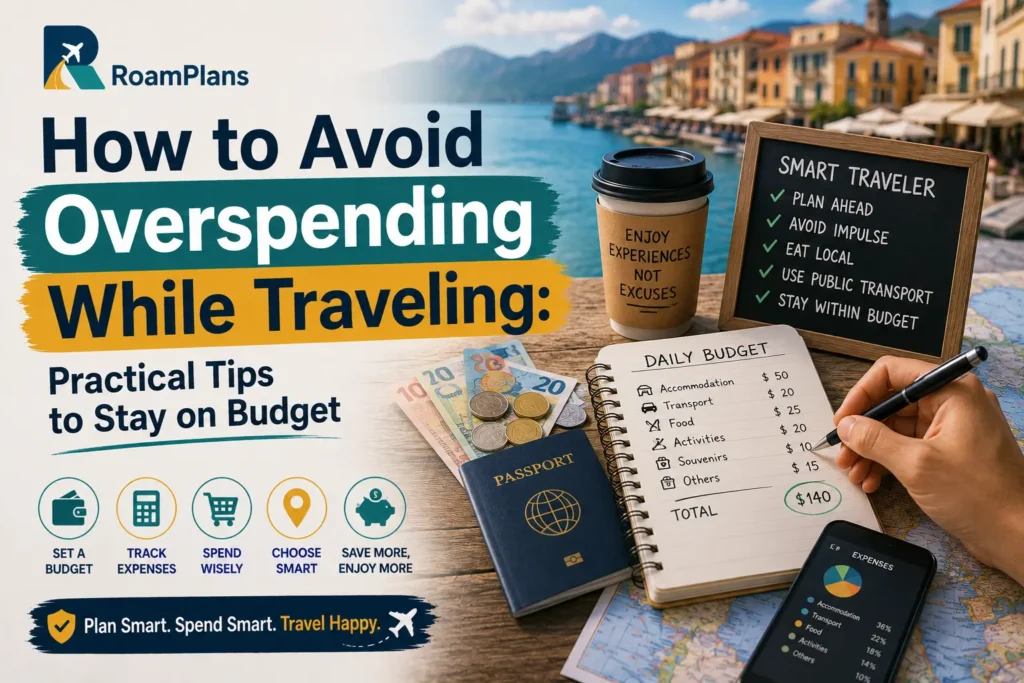
How to Avoid Overspending While Traveling | RoamPlans RoamPlans · Budget Travel How to Avoid Overspending While Traveling ✦ Daily spending control ✓ Fewer…
Read guide →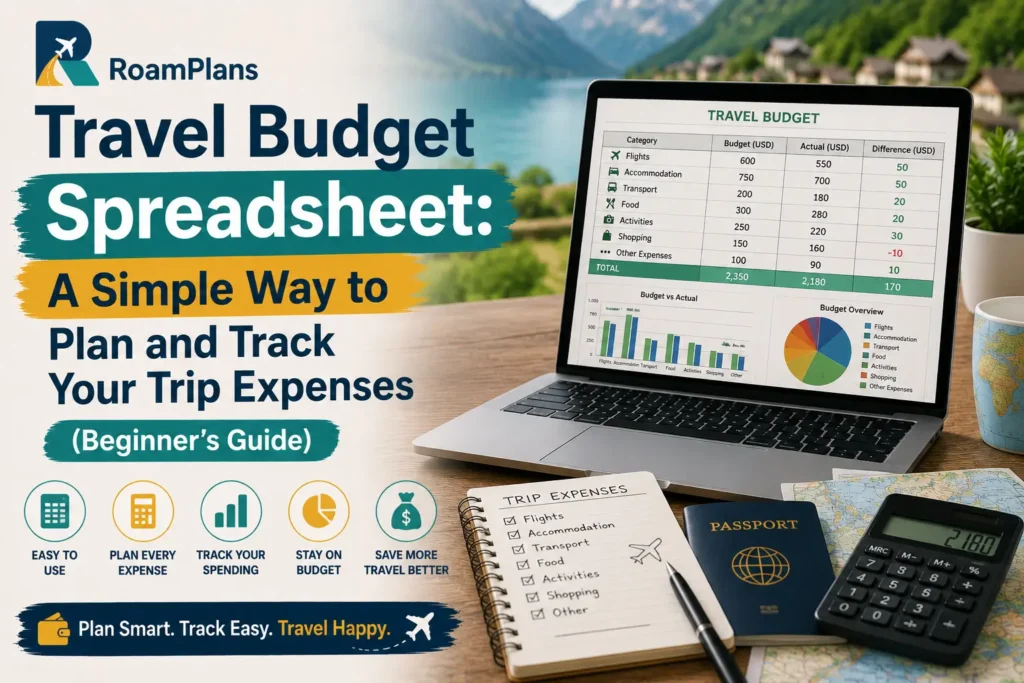
Travel Budget Spreadsheet: A Simple Way to Plan and Track Your Trip Expenses (Beginner’s Guide) | RoamPlans RoamPlans · Budget Travel Travel Budget Spreadsheet:…
Read guide →
Cheapest Time of Year to Travel: When You Can Save the Most on Your Trip | RoamPlans RoamPlans · Budget Travel Cheapest Time of…
Read guide →
How to Save Money Before Traveling? :Simple Ways to Build Your Travel Fund | RoamPlans RoamPlans · Budget Travel How to Save Money Before…
Read guide →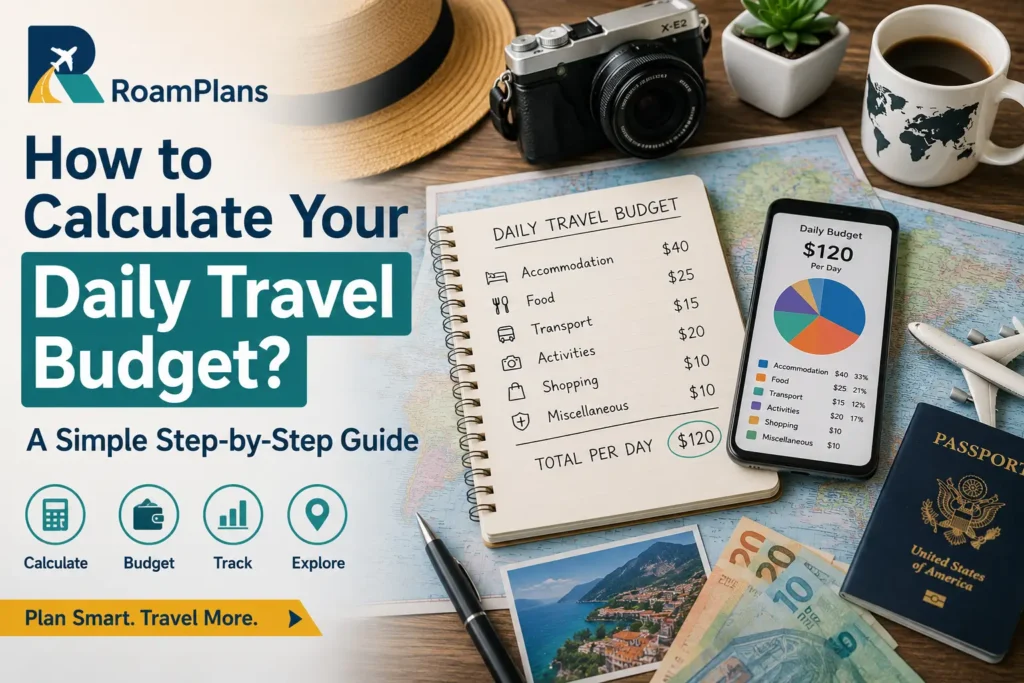
Trending Searches | RoamPlans Trending Searches Budget for a Trip Budget for Travel Trip Planner Budget Travel Budgeting Calculate daily budget backpacker Travelling Budget…
Read guide →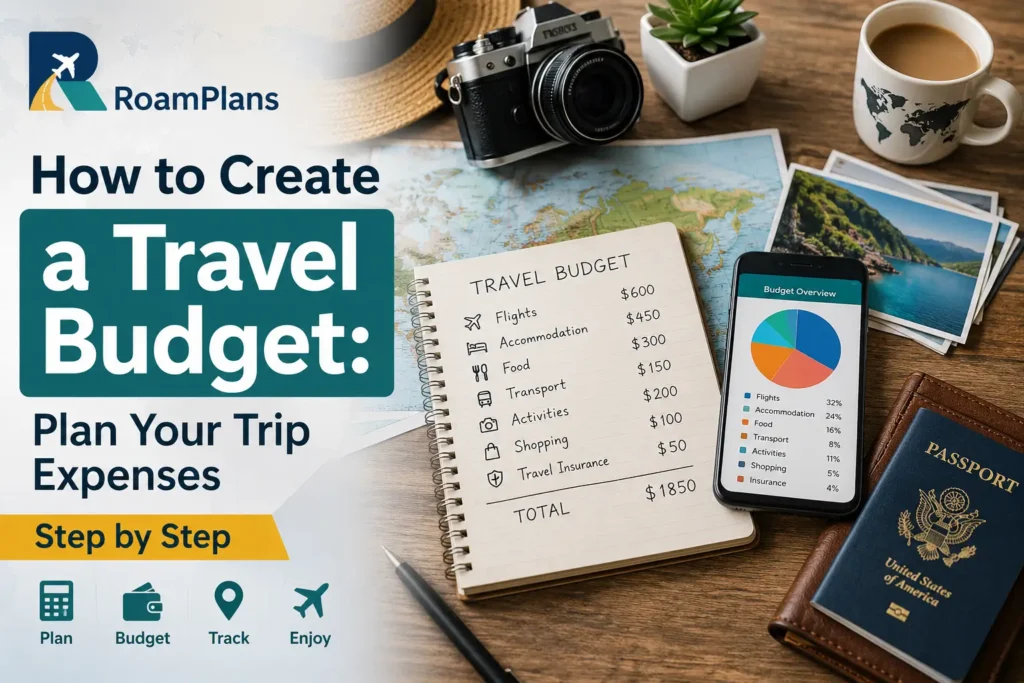
How to Create a Travel Budget: Plan Your Trip Expenses Step by Step? | RoamPlans RoamPlans · Budget Travel How to Create a Travel…
Read guide →
Why Cheap Travel Plans Fail: When Saving Money Costs More (Beginner’s Guide) | RoamPlans RoamPlans · Budget Travel Why Cheap Travel Plans Fail: When…
Read guide →
Currency Exchange Guide for Travelers: How to Exchange Money Safely and Get Better Value? | RoamPlans RoamPlans · Budget Travel Currency Exchange Guide for…
Read guide →Estimate accommodation, food, transport, activities, and other trip costs before you book.