Packing Mistakes to Avoid: 15 Common Travel Packing Errors (Beginner’s Guide)
A practical beginner’s guide to avoiding the small packing errors that make luggage heavier, travel more stressful, and important items harder to find.
Looking back at my first few trips, I realized ↗ that most travel problems weren’t caused by forgetting expensive gear or booking the wrong hotel—they were caused by simple packing mistakes. I packed far too many clothes, forgot important chargers, ignored the weather forecast, and filled every corner of my suitcase until it barely closed. Over time, I learned that avoiding these small mistakes made traveling much easier than buying more luggage or expensive travel accessories.
Everyone makes packing mistakes from time to time, especially when preparing for a new destination. The good news is that most of them are easy to avoid with a little planning. This guide highlights the most common travel packing mistakes and explains how to prevent them, helping you pack more efficiently, stay organized, and enjoy a smoother trip from the moment you leave home.
Why Packing Mistakes Happen?
Most packing mistakes don’t happen because travelers are careless.
They usually happen because people are:
- ✓Packing in a hurry.
- ✓Packing without a plan.
- ✓Preparing for too many “just in case” situations.
- ✓Not thinking about their destination.
- ✓Bringing items, they rarely use.
Recognizing these habits is the first step toward packing more confidently.
Mistake 1: Waiting Until the Last Minute
One of the biggest packing mistakes is leaving everything until the night before your trip.
When you’re rushing, it’s much easier to forget important items or pack things you don’t actually need.
I’ve found that starting two or three days before departure gives me enough time to:
- ✓Review my packing list.
- ✓Buy anything I’ve forgotten.
- ✓Remove unnecessary items.
- ✓Pack more carefully.
Packing early usually results in a much more organized suitcase.
Mistake 2: Packing Too Many Clothes

Many travelers pack a different outfit for every day, plus several extras “just in case.”
The result is often a heavy suitcase filled with clothes that never get worn.
Instead of packing more clothing, focus on:
- ✓Versatile outfits.
- ✓Neutral colors.
- ✓Clothing that can be mixed and matched.
- ✓Layers instead of bulky items.
Packing fewer clothes often gives you more flexibility and leaves room for souvenirs on the way home.
Mistake 3: Ignoring the Weather Forecast
Another common mistake is assuming what the weather will be like instead of checking the actual forecast.
Even during summer, evenings may be cool.
Likewise, winter destinations can sometimes be warmer than expected.
Before packing, check:
- ✓Daytime temperatures.
- ✓Nighttime temperatures.
- ✓Rain forecast.
- ✓Wind conditions.
- ✓Snow if traveling in winter.
A five-minute weather check can prevent both underpacking and overpacking.
Mistake 4: Choosing the Wrong Luggage
Sometimes the problem isn’t what you pack it’s the bag you pack it in.
Using a suitcase that’s too large encourages overpacking, while one that’s too small may leave you struggling to fit your essentials.
Your luggage should match:
- ✓Trip length.
- ✓Destination.
- ✓Transportation.
- ✓Travel style.
If you’re unsure which type of luggage is best, our Complete Travel Packing Guide ↗ explains how to choose the right approach before you begin packing.
Mistake 5: Packing Without a Checklist
Forgetting small items is much more common than forgetting large ones.
Most travelers remember their clothes but accidentally leave behind things like:
- ✓Phone chargers.
- ✓Toothbrush.
- ✓Medication.
- ✓Sunglasses.
- ✓Travel adapters.
Using a simple packing checklist helps ensure nothing important is overlooked.
It also reduces the stress of wondering whether you’ve forgotten something after you’ve already left home.
Think About What You’ll Actually Do
A common mistake is packing for every possible situation instead of packing for your actual plans.
Ask yourself:
- ✓Will I be hiking?
- ✓Will I swim?
- ✓Will I attend formal events?
- ✓Will I mostly explore cities?
- ✓Will I need work clothes?
Packing for your planned activities instead of imagined situations helps keep your luggage lighter while ensuring you have everything you’ll genuinely use.
Mistake 6: Packing Too Many Shoes
Shoes are one of the heaviest and bulkiest items in your luggage.
On one of my early trips, I packed four pairs of shoes and ended up wearing the same comfortable pair almost every day. Since then, I only pack shoes that match my planned activities.
For most trips, you’ll usually only need:
- ✓Comfortable walking shoes.
- ✓Sandals or flip-flops (if appropriate).
One extra pair for special occasions if necessary.
Choosing versatile footwear saves space and reduces luggage weight.
Mistake 7: Forgetting Chargers and Travel Adapters
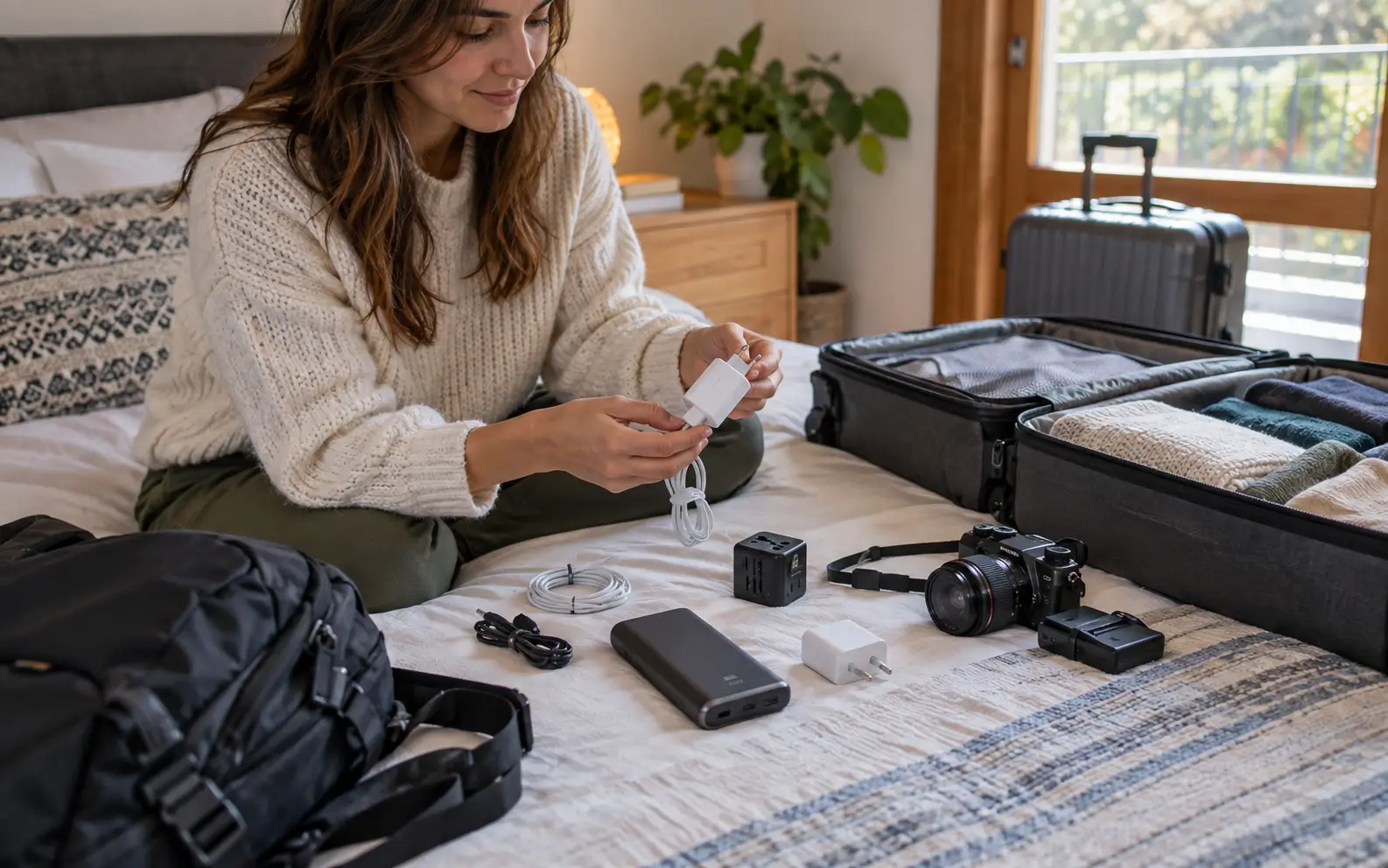
Many travelers remember their phone but accidentally leave the charger behind.
The same thing can happen with laptop chargers, camera batteries, or travel adapters.
Before leaving home, double-check that you’ve packed:
- ✓Phone charger.
- ✓Charging cables.
- ✓Laptop charger (if needed).
- ✓Camera charger.
- ✓Power bank.
- ✓Travel adapter for international trips.
Keeping all charging equipment in one organizer makes it much easier to check that everything is packed.
Mistake 8: Making Your Carry-On Too Heavy
It’s tempting to put everything important into your carry-on, but an overloaded cabin bag can become uncomfortable very quickly.
A heavy carry-on can:
- ✓Be difficult to lift into overhead lockers.
- ✓Slow you down while walking through airports.
- ✓Make boarding less comfortable.
- ✓Increase shoulder or back strain.
Keep your carry-on focused on the essentials you’ll actually need during your journey.
Mistake 9: Forgetting Basic Medical Supplies
Many travelers don’t think about minor health problems until they happen.
A headache, blister, upset stomach, or small cut can interrupt an otherwise enjoyable trip.
Packing a small travel first aid kit doesn’t take much space and can save you time searching for a pharmacy in an unfamiliar place.
Simple preparation often makes a big difference.
Mistake 10: Packing Liquids Without Protection
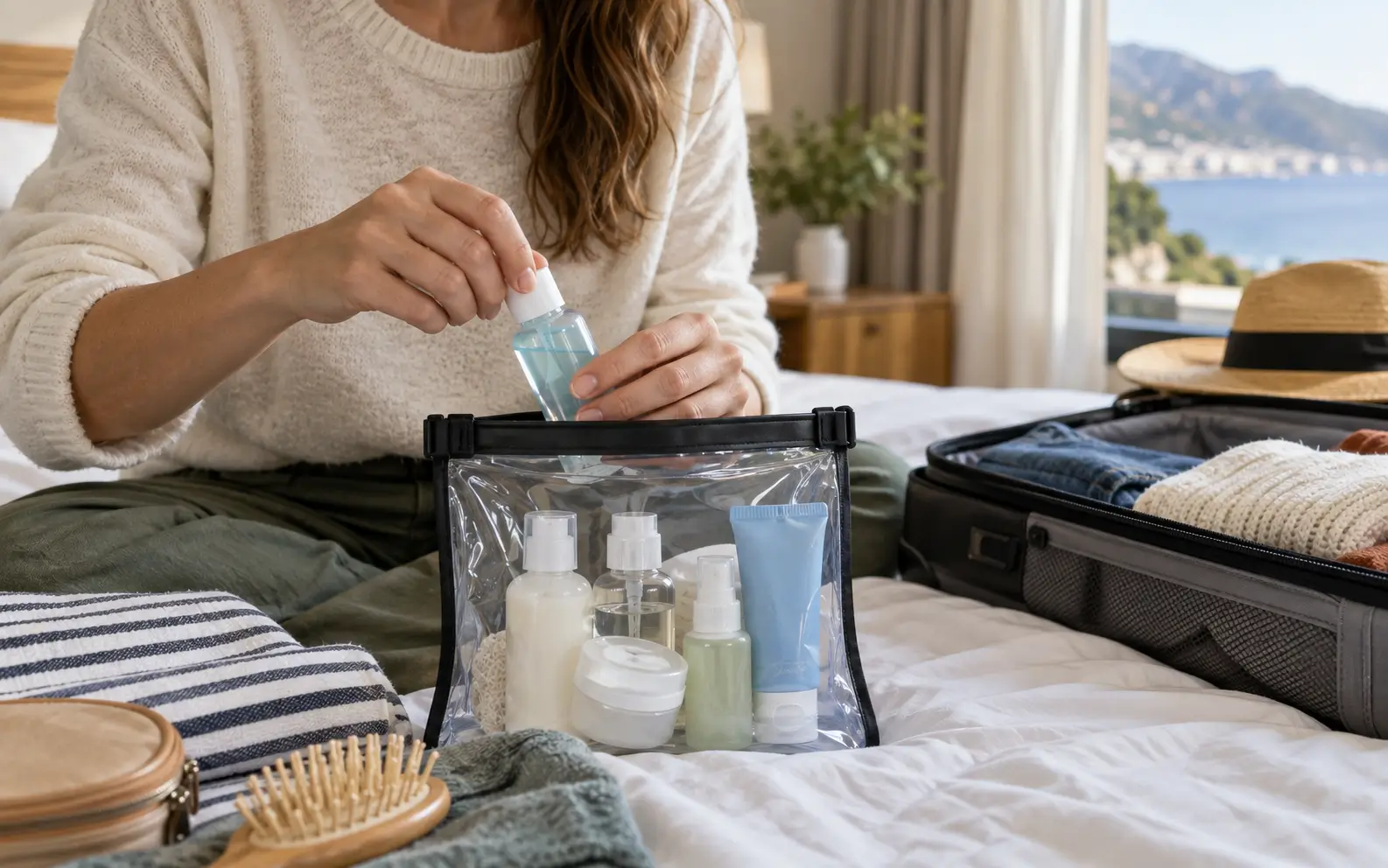
Few things are more frustrating than opening your suitcase and discovering shampoo or lotion has leaked over your clothes.
I’ve experienced this once, and now I never pack liquid products without protecting them first.
Simple ways to reduce leaks include:
- ✓Tighten bottle caps securely.
- ✓Use travel-size containers.
- ✓Place liquids inside waterproof pouches.
- ✓Store bottles upright whenever possible.
A few extra minutes before packing can protect the rest of your luggage.
Mistake 11: Filling Every Inch of Your Suitcase
Many travelers believe a completely full suitcase means they’re well prepared.
In reality, leaving a little extra space is often the better choice.
Extra room can be useful for:
- ✓Souvenirs.
- ✓Local food or gifts.
- ✓Clothing purchased during the trip.
- ✓Easier repacking before returning home.
I usually try to leave about 15–20% of my suitcase empty before I leave.
Mistake 12: Packing Without Any Organization
Throwing everything into one large suitcase compartment might seem faster, but it usually creates more work later.
A disorganized suitcase makes it harder to:
- ✓Find important items.
- ✓Keep clothing neat.
- ✓Separate clean and dirty laundry.
- ✓Repack between destinations.
- ✓Simple organization works well.
For example:
- ✓Keep clothing together.
- ✓Store toiletries in one bag.
- ✓Organize electronics separately.
- ✓Use small pouches for accessories.
Even without special organizers, grouping similar items together makes traveling much easier.
Good Packing Is About Making Better Decisions
Many people believe becoming better at packing means buying more travel gear.
From my experience, that’s rarely true.
The biggest improvements usually come from making smarter decisions before you start packing.
Ask yourself simple questions such as:
- ✓Will I actually use this?
- ✓Can one item serve multiple purposes?
- ✓Is this worth carrying for the entire trip?
- ✓Could I easily buy this if I really needed it?
These small decisions often lead to a lighter suitcase and a much more comfortable travel experience.
Mistake 13: Packing Important Items in Checked Luggage
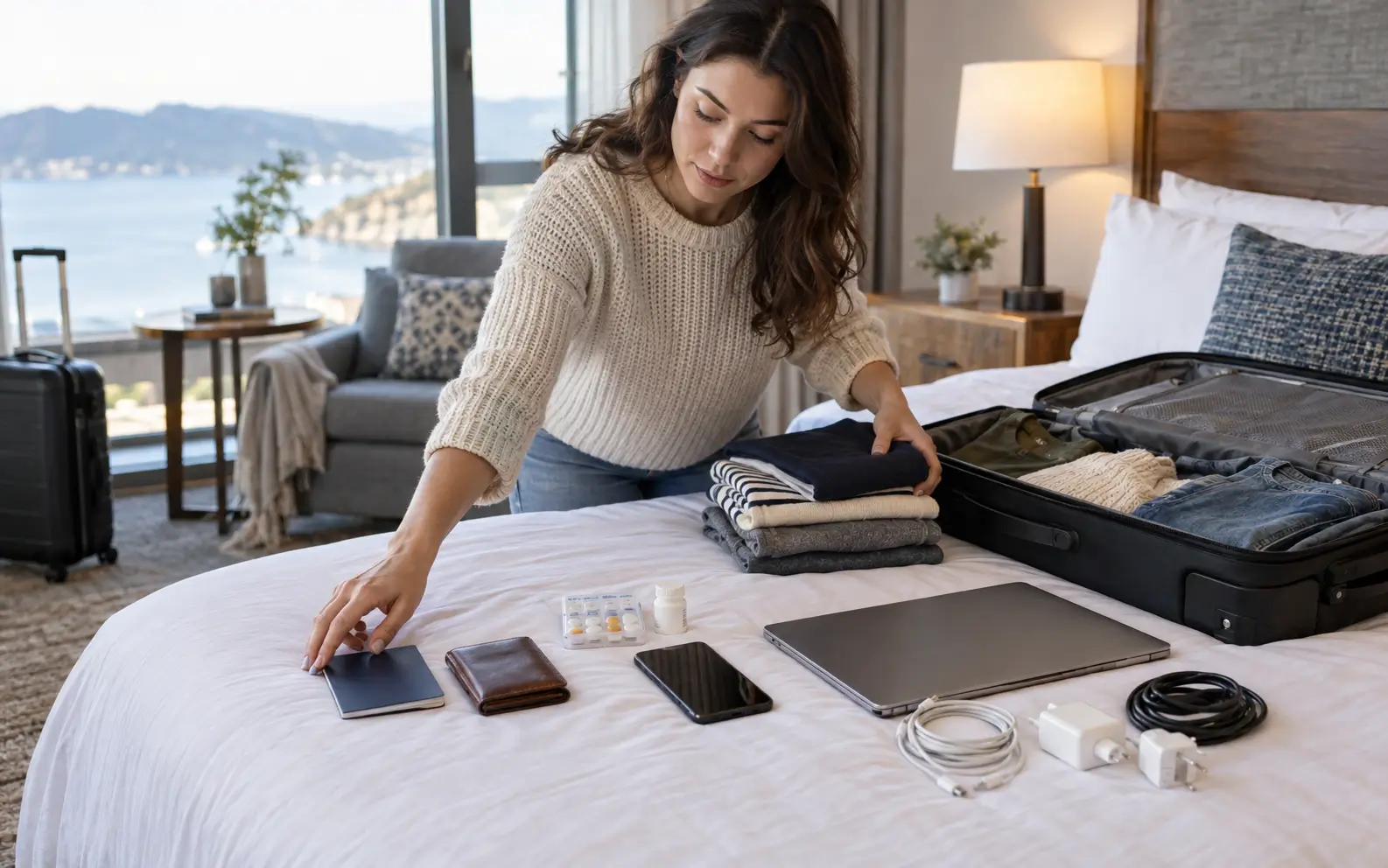
One of the most costly packing mistakes is placing essential items inside your checked suitcase.
Although checked luggage is ideal for clothing and larger personal items, it isn’t the best place for things you’ll need during your journey.
Keep important items with you, such as:
- ✓Passport.
- ✓Wallet.
- ✓Boarding pass.
- ✓Prescription medication.
- ✓Mobile phone.
- ✓Laptop or tablet.
- ✓Chargers.
- ✓A change of clothes.
If your checked luggage is delayed, having these essentials in your carry-on can make the situation much easier to manage.
Mistake 14: Ignoring Airline Baggage Rules
Every airline has its own baggage policies.
Ignoring these rules can lead to unexpected fees, delays, or having to repack your luggage at the airport.
Before every trip, check:
- ✓Carry-on size limits.
- ✓Carry-on weight limits.
- ✓Checked luggage allowance.
- ✓Restricted items.
- ✓Liquid rules for carry-on bags.
A quick review of your airline’s baggage policy can save both time and money.
Mistake 15: Not Doing a Final Packing Check
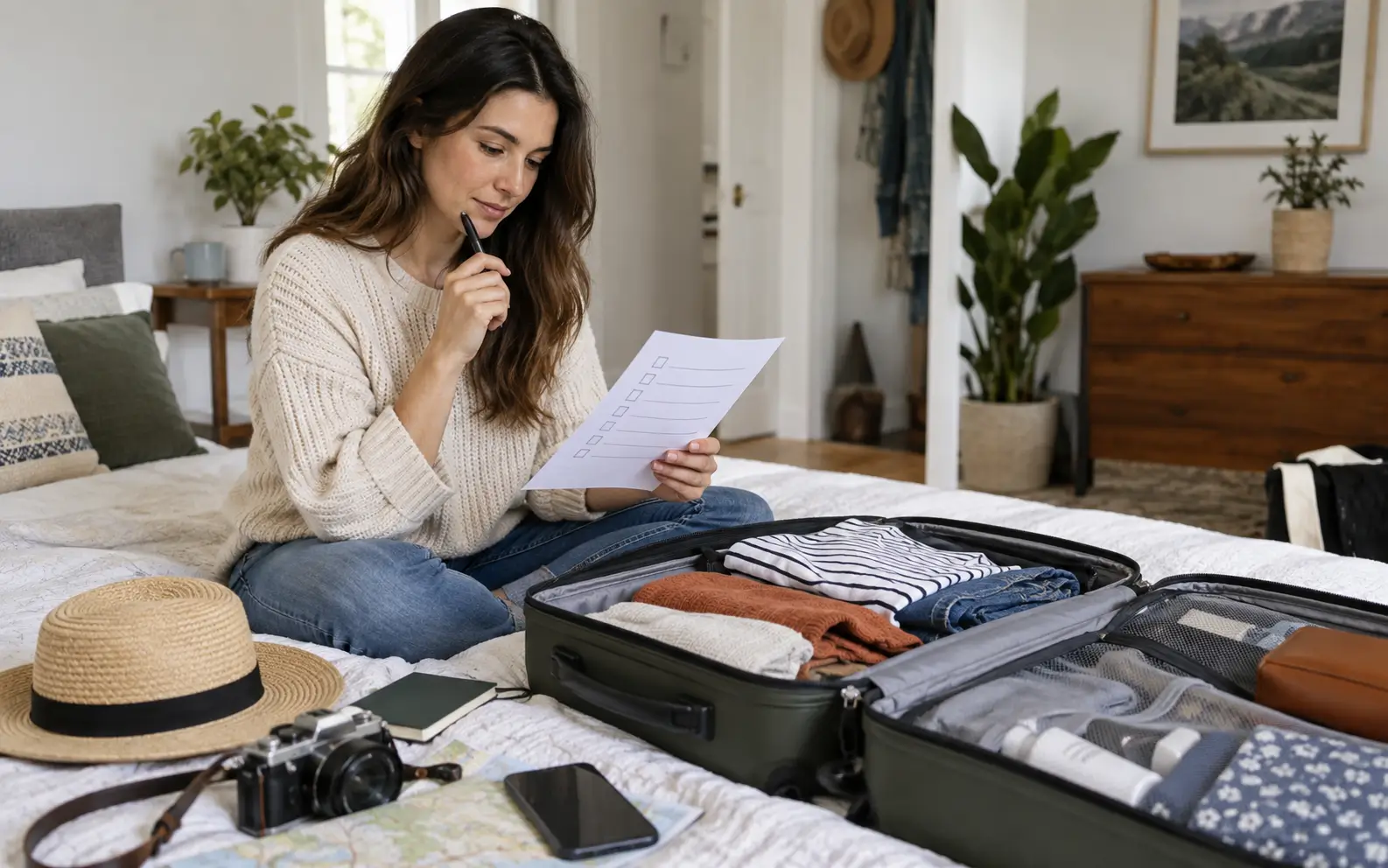
Even after you’ve packed everything, it’s worth taking a few minutes for one final review.
I always do this before leaving home, and it has helped me catch forgotten chargers, travel documents, and medications more than once.
Before closing your suitcase, ask yourself:
- ✓Have I packed everything on my checklist?
- ✓Are all important documents with me?
- ✓Are my electronics fully charged?
- ✓Have I checked the weather forecast one last time?
- ✓Is my luggage within the airline’s weight limit?
That final review often prevents small mistakes that could become major inconveniences later.
Quick Packing Checklist
Before every trip, use this simple checklist to avoid the most common packing mistakes.
- ✓Start packing early.
- ✓Check the weather forecast.
- ✓Choose the right luggage.
- ✓Pack versatile clothing.
- ✓Don’t overpack shoes.
- ✓Bring chargers and travel adapters.
- ✓Pack a small first aid kit.
- ✓Protect liquid toiletries.
- ✓Leave extra space in your suitcase.
- ✓Keep valuables in your carry-on.
- ✓Check airline baggage rules.
- ✓Review everything before leaving home.
Following these simple steps can make your packing routine faster, easier, and far less stressful.
Frequently Asked Questions
One of the most common mistakes is overpacking. Many travelers bring clothes, shoes, and accessories they never use, making their luggage heavier and harder to manage.
Creating a packing checklist and starting a few days before your trip are two of the easiest ways to avoid forgetting essential items such as documents, medications, chargers, and toiletries.
Yes. Leaving a little extra room makes it easier to pack souvenirs, gifts, or other purchases during your trip without struggling to close your suitcase.
Travel documents, medications, valuable electronics, and a change of clothes should stay with you because you’ll still have access to them if your checked luggage is delayed or misplaced.
For most trips, starting two or three days before departure gives you enough time to prepare carefully, buy anything you’ve forgotten, and avoid last-minute stress.
Final Thoughts
Looking back at my own travels, I realized that the easiest way to improve my trips wasn’t by buying more travel gear—it was by avoiding simple packing mistakes. Small habits like checking the weather, using a packing list, leaving extra space in my suitcase, and doing one final review before leaving home have made every journey much more organized and enjoyable.
Use these packing mistakes as a checklist before every trip, whether you’re traveling for a weekend or a long vacation. Avoiding a few common errors can save you time, reduce stress, and help you spend less time worrying about your luggage and more time enjoying your destination.

Adnan Ahmed
RoamPlans AuthorTravel Planning Researcher & Editor
Adnan Ahmed is the travel planning researcher and editor behind RoamPlans. He creates clear, practical guides to help travelers compare destinations, plan routes, estimate costs, and avoid common trip-planning mistakes. His work combines careful source research, official travel information, and regular content reviews to keep each guide useful and current.
- ✓Destination Research
- ✓Budget Planning
- ✓Route Planning
- ✓Beginner Travel Guides


Turn This Guide into a Practical Trip Plan
Use the recommended Free Packing List Generator or explore more free RoamPlans tools.