Airline Baggage Rules Explained: Carry-On, Checked Bags, and Weight Limits (Beginner’s Guide)
A practical beginner’s guide to carry-on bags, checked luggage, personal items, size and weight limits, restricted items, liquids, and avoiding unexpected baggage fees.
One of the first mistakes I made when flying ↗ was assuming every airline had the same baggage rules. I packed everything into one suitcase without checking the baggage allowance. At the airport, I discovered my bag was overweight and had to pay an unexpected fee. Since then, I always review the airline’s baggage policy before packing, and it has saved me both money and stress.
Airline baggage rules determine how many personal items, carry-on bags, and checked bags your fare includes, plus the size, weight, contents, and fees allowed for each. There is no universal airline limit: the correct allowance comes from the operating airline for your exact route, fare, cabin, and frequent-flyer status.
Before packing, open your booking and check four things: included bag count, maximum dimensions, maximum weight, and restricted items. This guide explains each baggage type and how to avoid surprises at check-in. For detailed packing decisions, use the carry-on packing list ↗ or the checked luggage guide ↗.
What Are Airline Baggage Rules?
Airline baggage rules are the guidelines that explain:
-
✓How many bags you can bring.
-
✓How much your bags can weigh.
-
✓The maximum size of your luggage.
-
✓Which items are allowed or restricted.
-
✓Any extra fees for additional baggage.
Each airline sets its own baggage policy, so the rules may vary depending on the airline, ticket type, and destination.
Checking these rules before packing helps prevent delays, extra charges, and unnecessary stress at the airport.
What Is Carry-On Baggage?
Carry-on baggage, also called cabin baggage, is the bag you take with you onto the aircraft.
This bag stays in the cabin instead of being placed in the cargo hold.
Carry-on luggage is commonly used for items such as:
-
✓Clothes for a short trip.
-
✓Electronics.
-
✓Travel documents.
-
✓Medication.
-
✓Small personal valuables.
Most airlines have limits on both the size and weight of carry-on bags, so it’s important to check the specific allowance before you travel.
What Is Checked Baggage?
Checked baggage is luggage that you hand over to the airline before your flight.
After checking in, your suitcase is tagged and placed in the aircraft’s cargo compartment.
Checked bags are often used for:
-
✓Larger suitcases.
-
✓Extra clothing.
-
✓Shoes.
-
✓Toiletries.
-
✓Items that won’t fit in a carry-on bag.
You’ll collect your checked baggage after arriving at your destination.
What Is a Personal Item?
In addition to a carry-on bag, many airlines also allow passengers to bring one personal item.
A personal item is usually smaller than a carry-on bag and must fit under the seat in front of you.
Common examples include:
-
✓Handbag.
-
✓Small backpack.
-
✓Laptop bag.
-
✓Camera bag.
-
✓Small tote bag.
The exact size allowed depends on the airline, so it’s always worth checking before your trip.
Why Do Airlines Have Baggage Rules?
Many travelers wonder why airlines limit baggage.
These rules help airlines:
-
✓Improve passenger safety.
-
✓Balance the aircraft’s weight.
-
✓Make boarding more efficient.
-
✓Use cabin space fairly.
-
✓Keep flights operating smoothly.
Although baggage limits can sometimes feel restrictive, they help ensure a safer and more organized travel experience for everyone on board.
Carry-On vs. Checked Baggage

Understanding the difference between these two types of luggage makes packing much easier.
| Baggage Type | Where It Travels | What to Verify | Best Used For |
|---|---|---|---|
| Personal item | Under the seat in front of you | Whether it is included and its size limit | Documents, medication, electronics, and essentials |
| Carry-on or cabin bag | Overhead compartment, subject to space and airline rules | Dimensions, weight, liquids, batteries, and whether the fare includes it | Short trips and items you want accessible |
| Checked baggage | Aircraft cargo hold after bag drop | Piece allowance, dimensions, weight, prohibited items, and fees | Larger clothing and permitted items not needed in the cabin |
| Special baggage | Cabin or hold according to approval and handling rules | Advance notice, packaging, size, weight, documentation, and charges | Sports equipment, instruments, mobility devices, or unusual items |
Carry-On Baggage
-
✓Travels with you inside the aircraft.
-
✓Best for valuables and important documents.
-
✓Easy to access during the flight.
-
✓Usually smaller and lighter.
Checked Baggage
-
✓Travels in the aircraft’s cargo hold.
-
✓Suitable for larger suitcases.
-
✓Offers more packing space.
-
✓Collected after landing.
Many travelers use both, carrying important items in their cabin bag while packing heavier belongings in their checked luggage.
Why Checking Baggage Rules Before Packing Matters?
From my own experience, spending just a few minutes reviewing an airline’s baggage policy before packing can save a lot of trouble later.
Every airline has its own allowances for bag size, weight, and the number of bags included with your ticket. By checking these details in advance, you can pack more confidently, avoid unexpected baggage fees, and enjoy a much smoother start to your journey.
Understanding Baggage Weight Limits

One of the most important baggage rules is the weight limit.
Every airline sets a maximum weight for both carry-on and checked baggage. The exact allowance depends on factors such as:
-
✓The airline.
-
✓Your ticket type.
-
✓Your destination.
-
✓Cabin class.
Do not rely on a general internet number or another airline’s policy. Check the baggage section of your ticket or manage-booking page, then confirm whether the allowance is measured per bag or as a combined total. Partner or codeshare trips may follow the operating carrier’s rules.
If your luggage exceeds the allowed weight, you may have to:
-
✓Pay an excess baggage fee.
-
✓Remove some items.
-
✓Repack your luggage at the airport.
To avoid surprises, weigh your bags at home before leaving for the airport whenever possible.
Baggage Size Limits
Weight isn’t the only thing airlines check.
They also have size restrictions for both carry-on and checked luggage.
Carry-on bags must usually fit:
-
✓In the overhead storage compartment.
-
✓Under the seat if it’s a personal item.
Checked baggage must also stay within the airline’s maximum size limits.
Before purchasing a new suitcase, it’s a good idea to review your airline’s baggage dimensions to make sure it meets their requirements.
Items You Can’t Pack
For safety reasons, airlines restrict certain items.
Although the exact rules vary, prohibited or restricted items often include:
-
✓Explosive materials.
-
✓Flammable liquids.
-
✓Fireworks.
-
✓Dangerous chemicals.
-
✓Sharp objects in carry-on baggage.
-
✓Certain batteries and hazardous materials.
If you’re unsure about an item, check your airline’s baggage policy before packing.
Liquid Rules for Carry-On Bags

If you’re traveling with liquids in your carry-on bag, you’ll usually need to follow airport security rules.
Common items include:
-
✓Shampoo.
-
✓Toothpaste.
-
✓Perfume.
-
✓Lotion.
-
✓Drinks.
Many airports require these liquids to be carried in small containers and placed together for security screening.
Since regulations may vary by country and airport, always review the latest requirements before you travel.
Special Items May Have Different Rules

Not all luggage is treated the same.
Some items may require special handling, including:
-
✓Sports equipment.
-
✓Musical instruments.
-
✓Baby strollers.
-
✓Medical equipment.
-
✓Wheelchairs.
If you’re traveling with oversized or unusual items, contact your airline in advance to understand their specific baggage policy.
Extra Baggage Fees
Many airlines charge additional fees if you:
-
✓Bring more bags than your ticket includes.
-
✓Exceed the weight limit.
-
✓Exceed the size limit.
-
✓Add checked baggage after booking.
These fees can vary significantly between airlines.
Checking your baggage allowance before packing is one of the easiest ways to avoid unexpected costs.
Tips for Packing Smarter
After several trips, I’ve found that a little planning before packing can make the entire journey easier.
Some simple habits include:
-
✓Weigh your suitcase before leaving home.
-
✓Keep valuables in your carry-on bag.
-
✓Pack important documents where they’re easy to reach.
-
✓Leave a little extra space for souvenirs.
-
✓Label your luggage with your contact information.
These small steps can help you avoid problems at the airport and make your trip more enjoyable.
Check Your Baggage Allowance Before Your Flight
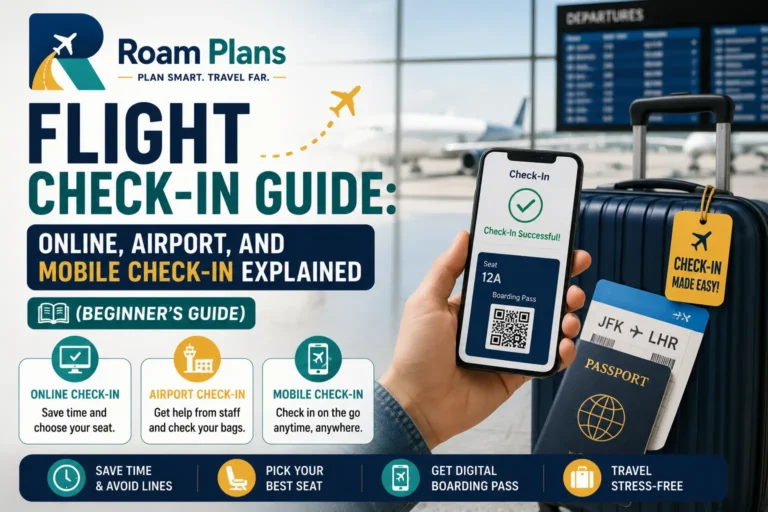
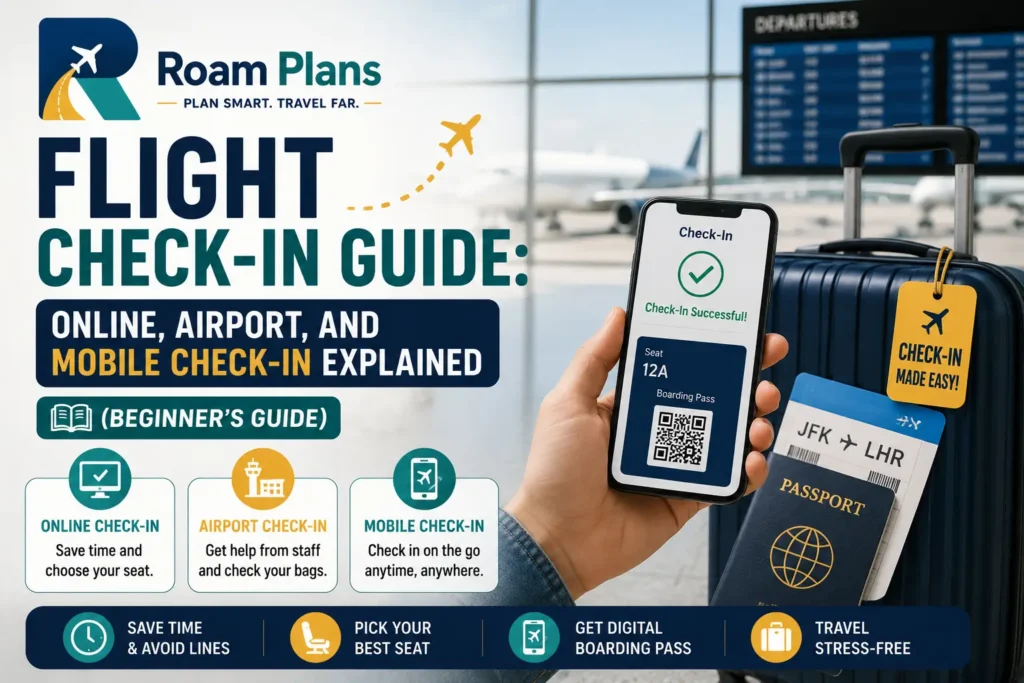
Before handing over your checked suitcase, you’ll need to complete the airline’s check-in process. The Flight Check-In Guide explains online check-in, airport counters, bag drop, and boarding passes.
After check-in, take a final look at your baggage allowance to confirm:
-
✓Number of bags included.
-
✓Carry-on size limits.
-
✓Checked baggage weight limits.
-
✓Personal item allowance.
-
✓Any extra baggage you’ve purchased.
Reviewing these details before arriving at the airport can save time, reduce stress, and help you avoid unnecessary baggage fees.
Common Airline Baggage Mistakes
Packing for a flight seems simple, but small mistakes can lead to delays, extra fees, or unnecessary stress at the airport.
From my own experience, the biggest mistake travelers make is assuming every airline follows the same baggage policy. Spending a few minutes checking your airline’s rules before packing can help you avoid unexpected surprises.
Some of the most common baggage mistakes include:
-
✓Packing without checking your airline’s baggage allowance.
-
✓Exceeding the weight limit.
-
✓Bringing a carry-on bag that’s too large.
-
✓Forgetting the personal item size limit.
-
✓Packing restricted items in your carry-on.
-
✓Leaving important documents in checked baggage.
-
✓Waiting until the airport to weigh your suitcase.
-
✓Forgetting to label your luggage.
Avoiding these mistakes can save you time, money, and frustration on the day of your flight.
Airline Baggage Checklist
Use this simple checklist before leaving for the airport.
Before Packing
-
✓Check your airline’s baggage policy.
-
✓Confirm the number of bags included with your ticket.
-
✓Review carry-on and checked baggage limits.
-
✓Check personal item size requirements.
-
✓Read the list of restricted items.
While Packing
-
✓Weigh your suitcase.
-
✓Measure your carry-on bag if needed.
-
✓Keep valuables in your carry-on.
-
✓Pack travel documents where they’re easy to reach.
-
✓Attach a luggage tag with your contact details.
Before Leaving Home
-
✓Double-check your baggage allowance.
-
✓Make sure your suitcase is securely closed.
-
✓Keep your boarding pass and passport ready.
-
✓Leave extra time if checking baggage.
-
✓Reconfirm your flight details.
Following this checklist can help you arrive at the airport prepared and avoid common baggage-related problems.
Frequently Asked Questions
Baggage allowance is the number, type, size, and weight of bags your ticket permits without additional baggage charges. It may include a personal item, cabin bag, checked baggage, or no checked bag at all. Confirm the allowance shown for your exact booking.
Airline baggage rules explain how many bags you can bring, the maximum weight and size allowed, and which items are permitted or restricted. These rules vary between airlines, so it’s important to review your airline’s policy before packing.
Carry-on baggage travels with you inside the aircraft cabin, while checked baggage is handed to the airline during check-in and transported in the aircraft’s cargo hold. You’ll collect checked luggage after arriving at your destination.
If your suitcase exceeds the airline’s weight limit, you may be asked to pay an excess baggage fee or remove some items before your bag can be accepted.
Yes, but airport security usually places restrictions on liquids carried in cabin baggage. The exact requirements depend on the airport and country you’re traveling through, so always check the latest guidelines before your trip.
No. Every airline sets its own baggage allowances, including limits for the number of bags, weight, size, and any additional fees. Always review the baggage policy for the airline you’re flying with.
Final Thoughts
I’ve learned that checking baggage rules before packing is one of the easiest ways to avoid unnecessary travel problems. It only takes a few minutes to review your airline’s baggage allowance, but doing so can help you avoid overweight fees, repacking at the airport, and last-minute stress. It’s now a step I never skip before any flight.
Whether you’re traveling with just a carry-on or several checked bags, understanding your airline’s baggage rules will make your journey much smoother. By packing carefully, following the baggage limits, and preparing ahead of time, you can start your trip with confidence and focus on enjoying your destination instead of worrying about your luggage.

Adnan Ahmed
RoamPlans AuthorTravel Planning Researcher & Editor
Adnan Ahmed is the travel planning researcher and editor behind RoamPlans. He creates clear, practical guides to help travelers compare destinations, plan routes, estimate costs, and avoid common trip-planning mistakes. His work combines careful source research, official travel information, and regular content reviews to keep each guide useful and current.
- ✓Destination Research
- ✓Budget Planning
- ✓Route Planning
- ✓Beginner Travel Guides

Turn This Guide into a Practical Trip Plan
Use the recommended Airline Baggage Allowance Checker or explore more free RoamPlans tools.