How to Plan Your First Trip: A Beginner’s Step-by-Step Guide
Planning your first trip ↗ is exciting, but it can also feel overwhelming. With so many destinations, booking websites, travel tips, and packing lists available online, it is easy to wonder where to begin.
The good news is that you do not need years of travel experience to plan a successful trip. You simply need a clear process that helps you make good decisions one step at a time.
Many first-time travelers worry about choosing the wrong destination, spending too much money, forgetting important documents, or missing something essential before departure. These concerns are completely normal, and almost every experienced traveler has felt the same way before their first trip.
This guide is designed specifically for beginners. Instead of giving you hundreds of travel tips all at once, it walks you through each stage of planning in a simple order. By the end, you’ll know how to choose a destination, set a budget, prepare your documents, book your trip with confidence, and avoid many of the common mistakes that first-time travelers make.
If you want a complete overview of the entire travel planning process, be sure to read our Ultimate Travel Planning Guide ↗. In this article, we’ll focus on helping you confidently plan your very first trip.
Why Your First Trip Is Different?
Planning your first trip is different from planning your second or third.
Experienced travelers already know how airlines work, what to pack, how to compare hotels, and what documents they need. Beginners are learning all of this for the first time.
That is why your first trip should focus on building confidence rather than trying to see everything at once.
A successful first trip should be:
- ✓Easy to organize
- ✓Comfortable within your budget
- ✓Safe for beginners
- ✓Simple to navigate
- ✓Long enough to enjoy, but not so long that it becomes overwhelming
Choosing a destination that matches your experience level can make a huge difference.
For example, a traveler taking their first international vacation may find it easier to visit a country with good public transportation, clear tourist information, and plenty of accommodation options than a destination that requires complicated connections or extensive planning.
Remember, your goal is not to have the most adventurous trip possible. Your goal is to have a trip that leaves you excited to travel again.
Step 1: Choose the Right Destination
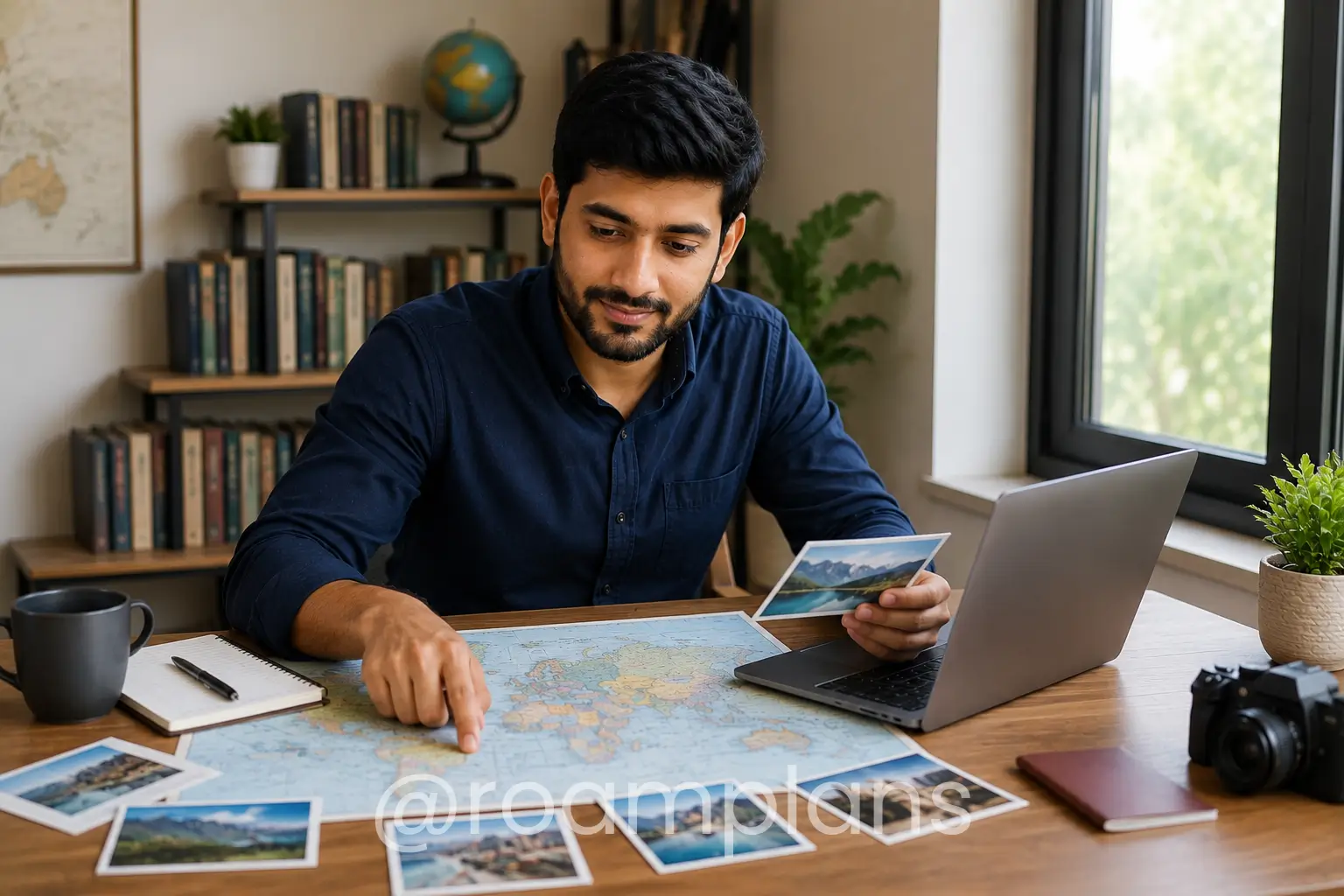
The destination you choose shapes every other part of your trip.
Many beginners choose a place simply because it looks beautiful on social media. A better approach is to choose a destination that fits your interests, available time, budget, and travel experience.
Start by asking yourself a few simple questions.
What type of vacation do I want?
Think about the kind of experience you enjoy.
Do you want to:
- ✓Relax on a beach?
- ✓Explore famous cities?
- ✓Visit museums and historical sites?
- ✓Hike through nature?
- ✓Try local food?
- ✓Experience a different culture?
Your interests will naturally narrow your options.
How much can I spend?
Your budget may eliminate some destinations while making others much more realistic.
A nearby destination often costs less than flying halfway around the world, especially for your first trip.
How much vacation time do I have?
If you only have four or five days available, choosing a destination that requires two full days of travel may not be the best use of your time.
Sometimes a shorter flight means you spend more time enjoying your destination.
Is the destination beginner-friendly?
Some destinations are easier to visit than others.
Things to consider include:
- ✓Easy transportation
- ✓Tourist-friendly infrastructure
- ✓English-speaking areas
- ✓Clear travel information
- ✓Safety
- ✓Availability of accommodation
These factors can reduce stress and help you feel more confident during your first trip.
Example Destination Ideas
| Travel Style | Beginner-Friendly Examples |
|---|---|
| Beach Vacation | Portugal, Thailand, Greece |
| City Break | Tokyo, Seoul, Lisbon |
| Nature | Iceland, Norway |
| Budget Travel | Vietnam, Indonesia, Portugal |
| Family Vacation | Japan, Canada, Portugal |
Remember, there is no single “best” destination. The best destination is the one that matches your goals, budget, and comfort level.
Step 2: Set a Realistic Travel Budget
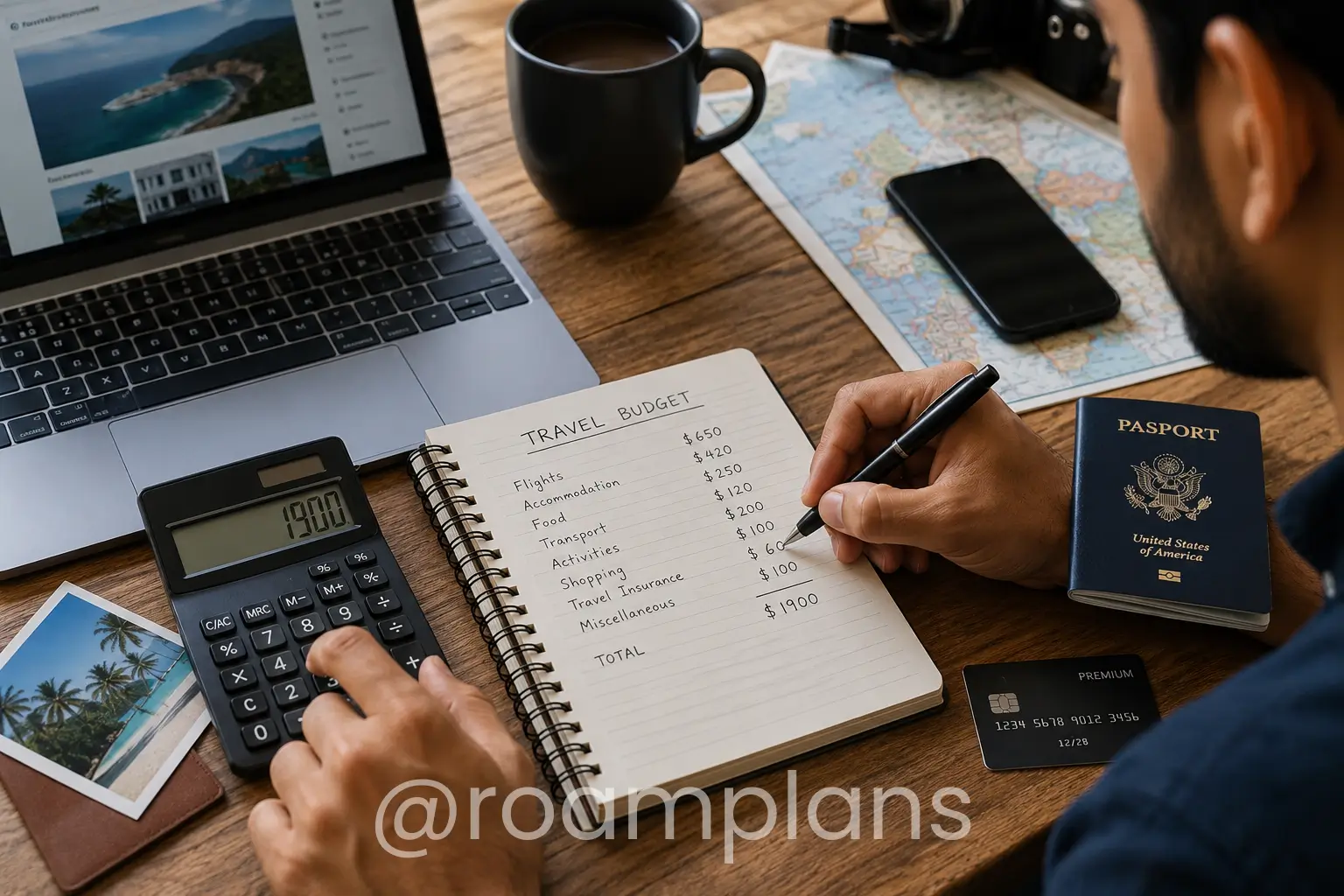
One of the biggest mistakes first-time travelers make is underestimating how much a trip will cost.
Many people only think about airfare and hotels. In reality, transportation, meals, attraction tickets, shopping, and unexpected expenses all affect your final budget.
A realistic travel budget helps you enjoy your trip without worrying about every purchase.
Start by dividing your budget into simple categories.
| Expense | Examples |
|---|---|
| Transportation | Flights, trains, buses, rental cars |
| Accommodation | Hotels, apartments, hostels |
| Food | Restaurants, cafés, groceries |
| Activities | Tours, museums, attractions |
| Travel Insurance | Medical and trip protection |
| Shopping | Souvenirs and personal purchases |
| Emergency Fund | Unexpected expenses |
You do not need an exact number immediately.
Instead, estimate how much you feel comfortable spending overall, then adjust your destination or trip length if needed.
Always keep a small emergency fund separate from your daily spending money.
Step 3: Choose Your Travel Dates
Your travel dates affect much more than your calendar.
They influence:
- ✓Flight prices
- ✓Hotel prices
- ✓Weather
- ✓Crowd levels
- ✓Local festivals
- ✓Attraction availability
Before choosing your dates, research the destination’s travel seasons.
Peak Season
- ✓Best weather
- ✓Most attractions open
- ✓Higher prices
- ✓Larger crowds
Shoulder Season
- ✓Pleasant weather
- ✓Better prices
- ✓Fewer tourists
Off Season
- ✓Lowest prices
- ✓Quiet attractions
- ✓Weather may be less predictable
If your schedule is flexible, traveling during the shoulder season often provides the best balance between cost and overall experience.
Also consider:
- ✓Public holidays
- ✓School vacations
- ✓Major festivals
- ✓Local events
These can affect accommodation availability and travel costs.
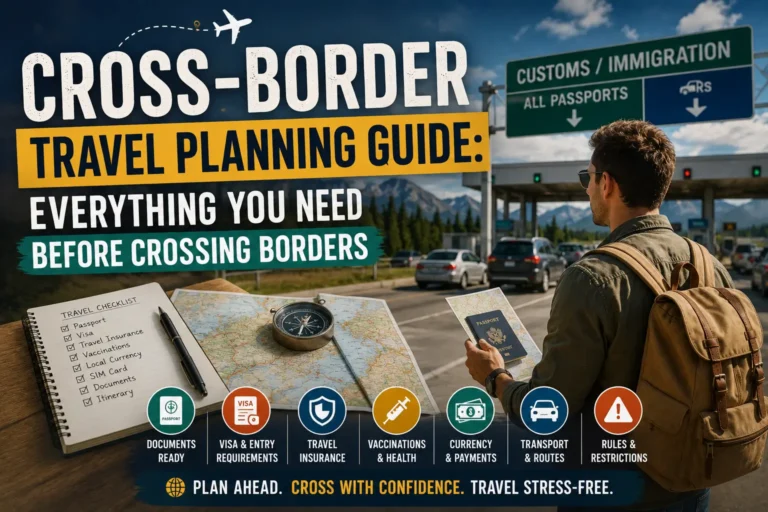
Step 4: Check Your Passport, Visa, and Entry Requirements
Before booking anything, make sure you can legally enter your destination.
Many countries have specific entry requirements that travelers must meet before arrival.
Check:
- ✓Passport validity
- ✓Visa requirements
- ✓Electronic travel authorization (if required)
- ✓Vaccination requirements
- ✓Return ticket requirements
- ✓Entry forms
- ✓Customs regulations
Many countries require your passport to remain valid for several months beyond your travel dates.
If you need a visa, apply early enough to avoid delays.
It is also a good idea to save digital copies of important travel documents in secure cloud storage and keep printed copies in your luggage.
Essential Travel Documents
- ✓Passport
- ✓Visa (if required)
- ✓Flight confirmation
- ✓Hotel reservation
- ✓Travel insurance details
- ✓Emergency contacts
- ✓Driver’s license if renting a car
Preparing these documents early helps avoid last-minute problems and gives you more confidence as your departure date approaches.
Step 5: Book Your Flights
Once you’ve chosen your destination, budget, and travel dates, it’s time to book your flights.
For many first-time travelers, this is the most stressful part of planning. Different airlines, baggage rules, airport options, and ticket prices can make the process seem confusing. The good news is that booking flights becomes much easier when you focus on the basics.
Instead of buying the first ticket you find, compare a few different options before making your decision.
Look at:
- ✓Total ticket price
- ✓Departure and arrival times
- ✓Total travel time
- ✓Number of layovers
- ✓Airline reputation
- ✓Baggage allowance
- ✓Cancellation and change policies
A cheaper ticket is not always the better choice. A flight with a very long layover or expensive baggage fees may end up costing more overall.
Before You Click “Book”
Take a few minutes to double-check every detail.
✔ Passenger names match your passport exactly.
✔ Travel dates are correct.
✔ Departure and arrival airports are correct.
✔ Baggage allowance meets your needs.
✔ Passport information is accurate if requested.
✔ Confirmation email has been received.
Even small mistakes can become expensive to correct later.
Step 6: Choose the Right Accommodation
Your accommodation is more than just a place to sleep. It becomes your base during the trip.
For first-time travelers, choosing a safe and convenient location is often more important than finding the lowest possible price.
Think about what matters most for your trip.
Ask yourself:
- ✓Is it close to public transportation?
- ✓Is the neighborhood safe?
- ✓Are restaurants nearby?
- ✓Is it close to the attractions I want to visit?
- ✓Does it have good guest reviews?
Different accommodation types suit different travel styles.
| Type | Best For |
|---|---|
| Hotel | Families, couples, first-time travelers |
| Apartment | Longer stays and groups |
| Hostel | Backpackers and budget travelers |
| Resort | Relaxing vacations |
| Guesthouse | Local experiences |
Reading recent guest reviews can help you understand what to expect before booking.
Also check:
- ✓Check-in and check-out times
- ✓Cancellation policy
- ✓Wi-Fi availability
- ✓Breakfast options
- ✓Extra fees
Sometimes spending a little more on a central location saves both time and transportation costs throughout your trip.
Step 7: Plan Your Daily Activities
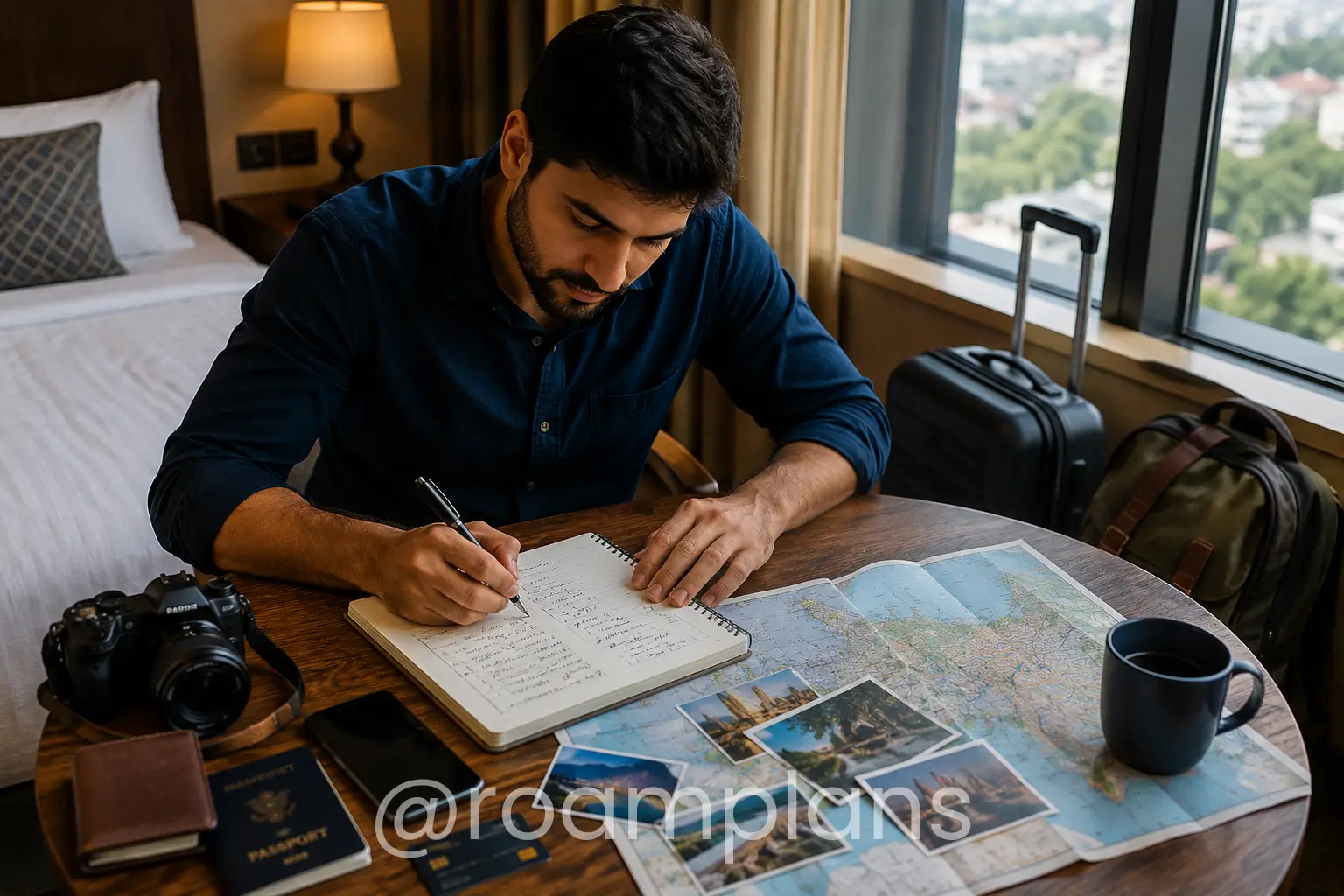
One mistake many beginners make is trying to fit too many activities into a single day.
A packed schedule often leaves little time to enjoy each place.
Instead, create a simple itinerary that includes your main attractions while leaving room for flexibility.
Start by listing:
- ✓Places you must visit
- ✓Attractions you’d like to see
- ✓Restaurants you want to try
- ✓Free time for exploring
- ✓Backup activities in case of bad weather
Example Day Plan
| Time | Activity |
|---|---|
| 8:00 AM | Breakfast |
| 9:30 AM | Main attraction |
| 12:30 PM | Lunch |
| 2:00 PM | Museum or sightseeing |
| 5:00 PM | Coffee break or shopping |
| 7:00 PM | Dinner |
| Evening | Relax or explore nearby |
You don’t need every hour planned.
Leaving some free time often leads to the best travel memories.
Step 8: Create a Packing List
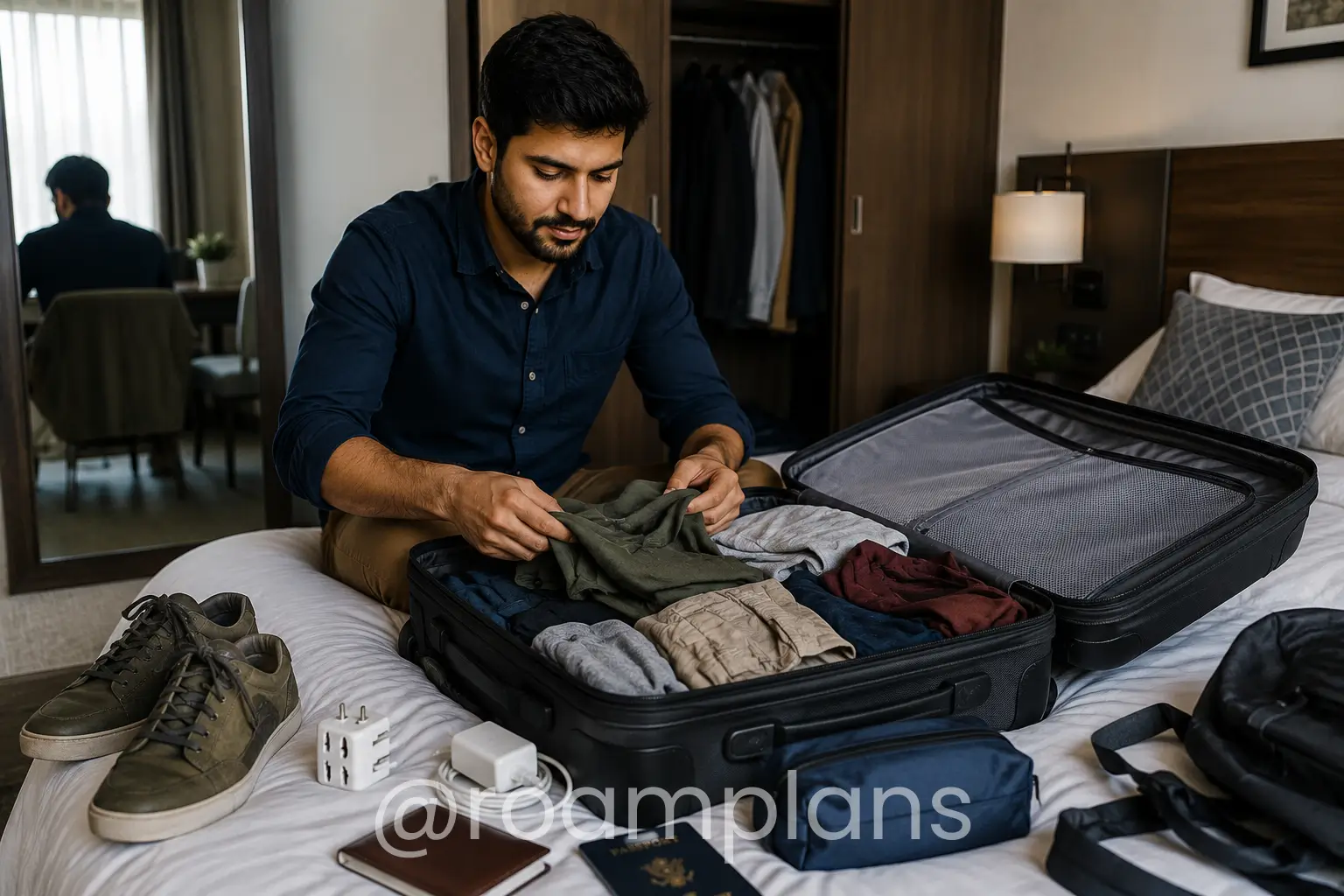
Packing becomes much easier when you prepare a checklist several days before departure.
Instead of packing everything you own, pack according to your destination, weather, planned activities, and trip length.
A basic packing list usually includes:
Documents
- ✓Passport
- ✓Travel insurance
- ✓Flight tickets
- ✓Hotel reservations
- ✓Identification
- ✓Emergency contacts
Clothing
- ✓Everyday clothes
- ✓Comfortable shoes
- ✓Jacket if needed
- ✓Sleepwear
- ✓Undergarments
Toiletries
- ✓Toothbrush
- ✓Toothpaste
- ✓Shampoo
- ✓Sunscreen
- ✓Personal care items
Electronics
- ✓Mobile phone
- ✓Chargers
- ✓Power bank
- ✓Travel adapter
- ✓Camera if needed
Health Items
- ✓Prescription medication
- ✓Basic first aid supplies
- ✓Pain relief medication
- ✓Hand sanitizer
Lay everything out before putting it into your suitcase.
This gives you one final chance to remove unnecessary items.
Step 9: Prepare Before You Leave
The final few days before your trip should be about confirming everything rather than making major changes.
Create one final checklist and review it carefully.
Final Preparation Checklist
✔ Confirm flight times.
✔ Complete online check-in if available.
✔ Download boarding passes.
✔ Confirm hotel reservations.
✔ Charge your electronic devices.
✔ Download offline maps.
✔ Inform your bank if traveling internationally.
✔ Pack medications.
✔ Check the weather forecast.
✔ Review your itinerary.
✔ Share your travel plans with a trusted family member or friend.
Doing these small tasks before leaving home helps reduce stress on your travel day.
First-Time Traveler Timeline
Following a simple timeline helps you stay organized without feeling rushed.
| Time Before Departure | What to Do |
|---|---|
| 2–6 Months | Choose destination, estimate your budget, renew your passport if needed. |
| 2–4 Months | Book flights and accommodation. |
| 1 Month | Apply for visas if required, purchase travel insurance, begin planning your itinerary. |
| 2 Weeks | Start packing, confirm reservations, check transportation options. |
| 1 Week | Download travel documents, prepare medications, review your checklist. |
| 1 Day | Complete online check-in, charge devices, review travel documents, get a good night’s sleep. |
Beginner Trip Planning Checklist
Use this quick checklist before every trip.
Planning
- ✓Choose your destination.
- ✓Set your budget.
- ✓Select your travel dates.
Booking
- ✓Book flights.
- ✓Reserve accommodation.
- ✓Plan transportation.
Documents
- ✓Check passport validity.
- ✓Apply for visas if needed.
- ✓Purchase travel insurance.
Packing
- ✓Create your packing list.
- ✓Prepare medications.
- ✓Charge electronic devices.
Before Departure
- ✓Download travel documents.
- ✓Complete online check-in.
- ✓Review your itinerary.
- ✓Confirm reservations.
Tips for a Smooth First Trip
Travel does not need to be complicated.
Many experienced travelers follow a few simple habits that make every trip easier.
- ✓Arrive at the airport early.
- ✓Carry important documents in your personal bag.
- ✓Keep some local currency for emergencies.
- ✓Stay hydrated during long flights.
- ✓Wear comfortable clothing when traveling.
- ✓Keep your phone charged.
- ✓Save emergency contact numbers.
- ✓Be flexible if plans change.
No trip goes exactly as planned, and that’s perfectly normal. Staying calm and adapting to small changes often leads to the most memorable experiences.
Common First-Time Travel Mistakes (and How to Avoid Them)
Making mistakes during your first trip is completely normal. Every experienced traveler has learned valuable lessons through trial and error.
The good news is that many common mistakes can be avoided with a little preparation.
Trying to Visit Too Many Places
Many first-time travelers believe they need to see everything in one vacation.
Instead of enjoying each destination, they spend most of their time rushing between airports, train stations, and hotels.
A better approach is to choose fewer destinations and spend more time exploring each one.
Quality experiences are almost always better than a long list of places you barely remember.
Ignoring the Weather
Weather affects almost every part of your trip.
Without checking the forecast, you could arrive during heavy rain, extreme heat, or cold weather without the right clothing.
Research the average weather for your travel dates before you start packing.
Packing Too Much
It is tempting to pack for every possible situation.
Unfortunately, heavy luggage makes airports, public transportation, and hotel changes much more difficult.
Pack only what you realistically expect to use.
Remember that many everyday items can be purchased after you arrive if necessary.
Forgetting Important Documents
Losing access to travel documents can quickly turn a relaxing vacation into a stressful experience.
Before leaving home, make sure you have:
- ✓Passport
- ✓Visa (if required)
- ✓Flight confirmations
- ✓Hotel reservations
- ✓Travel insurance details
- ✓Emergency contacts
Keep both printed and digital copies whenever possible.
Underestimating Travel Costs
Many beginners budget only for flights and hotels.
However, daily transportation, food, attraction tickets, tips, shopping, and unexpected expenses can significantly increase the total cost of your trip.
Always include an emergency fund in your budget.
Over planning Every Minute
Planning is important, but every minute does not need to be scheduled.
Some of the best travel experiences happen unexpectedly.
Leave room in your itinerary to explore local neighborhoods, relax at a café, or discover places you did not originally plan to visit.
Waiting Until the Last Minute
Leaving everything until the final week often results in:
- ✓Higher flight prices
- ✓Limited hotel choices
- ✓Increased stress
- ✓Forgotten tasks
Planning early gives you more options and more time to make better decisions.
Expert Advice for First-Time Travelers
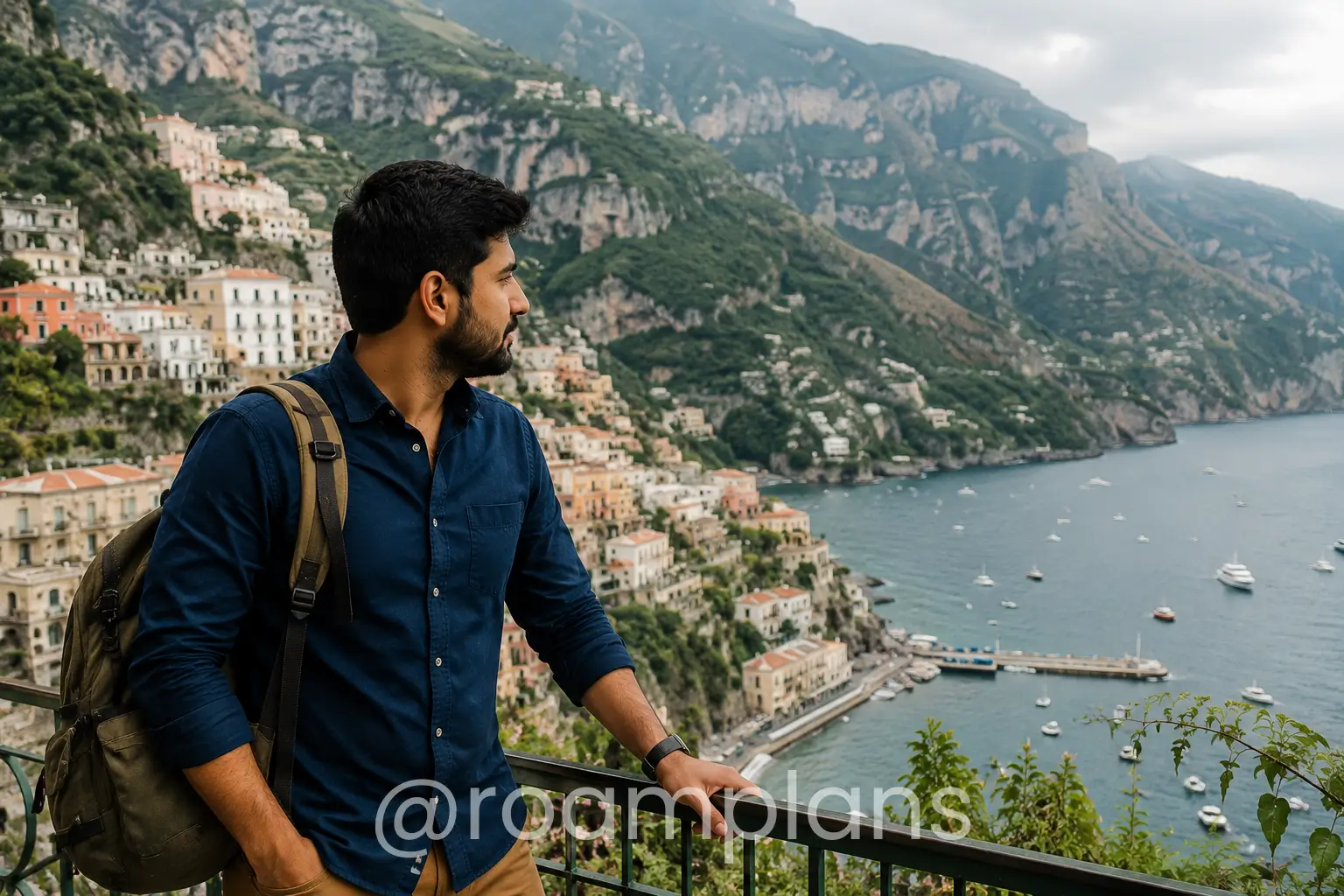
Travel becomes easier with experience, but a few simple habits can help you feel confident from your very first trip.
Keep Your Schedule Flexible
Create a plan, but allow yourself to adjust it if you discover something interesting along the way.
Flexibility often leads to the most memorable experiences.
Arrive Early
Whether you are catching a flight, train, or bus, arriving early helps reduce unnecessary stress.
It also gives you extra time if unexpected delays occur.
Stay Connected
Download offline maps before leaving your accommodation.
Having access to directions without relying on mobile data can be extremely helpful.
Respect Local Culture
Every destination has its own customs, traditions, and etiquette.
Learning a few basic cultural expectations before you travel shows respect and often creates better interactions with local people.
Keep Learning
Your first trip is the beginning of your travel experience, not the end.
Every journey teaches something new that makes planning future trips easier.
Quick First-Trip Success Checklist
Before you leave home, ask yourself these questions.
| Question | Yes / No |
|---|---|
| Have I chosen the right destination for my budget? | □ |
| Have I booked my flights? | □ |
| Is my accommodation confirmed? | □ |
| Have I checked my passport validity? | □ |
| Do I need a visa? | □ |
| Have I purchased travel insurance? | □ |
| Is my packing finished? | □ |
| Have I downloaded important documents? | □ |
| Have I shared my itinerary with someone? | □ |
| Do I have an emergency fund? | □ |
If you can answer “Yes” to each question, you are well prepared for your first trip.
Frequently Asked Questions
What is the easiest destination for a first international trip?
The best destination depends on your budget, interests, and travel goals. Look for places with good transportation, clear tourist information, and a reputation for being welcoming to visitors.
How much money should I save before my first trip?
There is no single answer because every destination has different costs. Start by estimating flights, accommodation, food, transportation, activities, and an emergency fund before setting your savings goal.
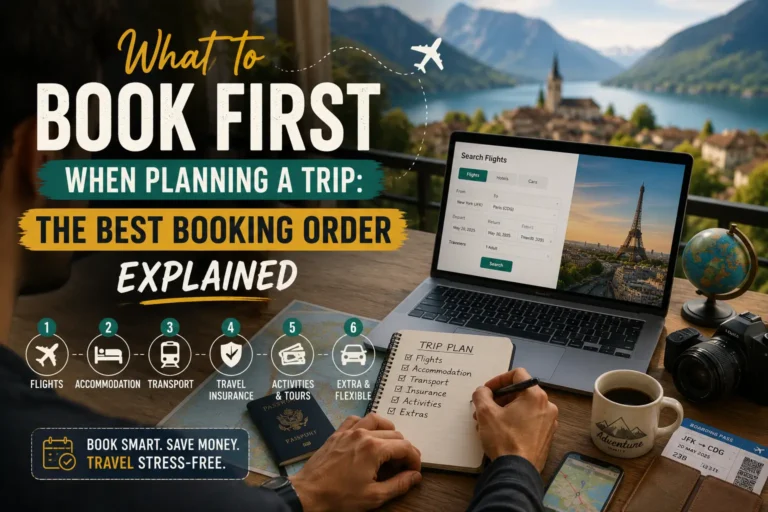
Should I book flights or hotels first?
Most travelers book flights first because travel dates usually depend on flight availability. After confirming your flights, you can choose accommodation that fits your itinerary.
Is travel insurance necessary for beginners?
Travel insurance is often a smart investment because it can help protect you against unexpected medical expenses, cancellations, and lost luggage.
How far in advance should I start planning?
For international trips, planning three to six months in advance often provides better prices and more accommodation choices. Domestic trips may require less planning.
What if I forget something important?
Don’t panic. Most forgotten items, such as toiletries or clothing, can usually be purchased after you arrive.
Is it better to travel alone or with someone?
Both options have advantages. Traveling with someone can make your first trip feel more comfortable, while solo travel offers greater flexibility and independence.
How many days should my first trip be?
A trip lasting four to seven days is often a good choice for beginners. It provides enough time to explore without feeling rushed or overwhelmed.
Should I exchange money before I travel?
Many travelers exchange a small amount before departure and access additional money after arrival using local ATMs or accepted payment cards.
Can I plan my first trip without using a travel agent?
Yes. With careful research and reliable online resources, many travelers successfully plan their own trips while enjoying greater flexibility.
Final Thoughts
Planning your first trip may seem challenging at the beginning, but it becomes much easier when you break it into simple, manageable steps.
You do not need to know everything before you travel. What matters most is preparing the essentials, staying organized, and giving yourself enough time to plan carefully.
Every experienced traveler started exactly where you are today. Their confidence did not come from taking the perfect trip. It came from taking the first one.
Start with a destination that fits your budget and interests, make informed decisions one step at a time, and remember that no journey ever goes exactly as planned. Small changes and unexpected moments are often what make travel memorable.
As you continue exploring RoamPlans, you’ll find detailed guides covering every stage of the planning process↗, including budgeting↗, packing, booking flights↗, choosing accommodation, transportation, travel safety, and destination-specific planning. Use this guide as your starting point, then explore the supporting resources whenever you’re ready to learn more.

Adnan Ahmed
RoamPlans AuthorTravel Planning Researcher & Editor
Adnan Ahmed is the travel planning researcher and editor behind RoamPlans. He creates clear, practical guides to help travelers compare destinations, plan routes, estimate costs, and avoid common trip-planning mistakes. His work combines careful source research, official travel information, and regular content reviews to keep each guide useful and current.
- ✓Destination Research
- ✓Budget Planning
- ✓Route Planning
- ✓Beginner Travel Guides

Turn This Guide into a Practical Trip Plan
Use the recommended Free Travel Itinerary Builder or explore more free RoamPlans tools.