
What to Book First When Planning a Trip
One of the biggest mistakes I made when planning an early trip ↗ was booking things in the wrong order. I reserved a hotel before checking flight prices, only to discover that changing my travel dates would cost much less. I had to cancel my booking, pay extra fees, and start planning all over again. If you’ve ever wondered what to book first, you’re not alone. Many travelers make expensive or stressful decisions simply because they book the right things at the wrong time.
Before booking anything, confirm your passport and entry requirements ↗, travel dates, destination, and total budget ↗. After those checks, book the reservation that controls the rest of the itinerary. For most flight or train trips, that is long-distance transportation; accommodation normally comes next. If rooms are unusually limited, a free-cancellation hotel hold can be sensible while you confirm transportation.
After planning many domestic and international trips, I’ve learned that the right booking order makes the process easier, protects flexibility, and reduces expensive changes. This guide explains what to verify before booking, which reservation usually comes first, when the order should change, and what can safely wait until later.
Confirm your passport and entry rules, destination, dates, and budget before paying. Then book the item that fixes the rest of the trip—usually long-distance transportation—followed by accommodation. Arrange insurance according to its purchase rules after your first eligible payment, then reserve scarce transfers, rental cars, and timed activities. Flexible local plans can usually wait.
Should You Book Now, Place a Refundable Hold, or Wait?
| Decision | Use it when | Examples |
|---|---|---|
| Book now | Your dates are firm, the reservation controls other bookings, availability is limited, and you understand the change or cancellation terms. | International flight, limited train, event ticket, scarce rental car, or must-do timed attraction |
| Place a refundable hold | Supply may disappear but another critical detail—such as transportation, leave approval, or visa progress—is not final. | Free-cancellation hotel or flexible accommodation rate with a clearly recorded deadline |
| Wait | The item is widely available, depends on weather or energy, or would reduce flexibility without protecting the trip. | Ordinary restaurant meals, common local tickets, flexible sightseeing, and nonessential add-ons |
Check Before Any Non-Refundable Payment
- 1Names, dates, route, passport details, baggage, inclusions, and total price are correct.
- 2The cancellation and change penalties are acceptable if another booking changes.
- 3Entry permission, transit rules, and realistic connection times have been checked.
- 4You know whether and when suitable insurance must be purchased for relevant benefits.
Why the Booking Order Matters?
Planning a trip is not only about deciding where to go.
It is also about knowing what to reserve first.
Many travel bookings depend on one another.
For example, your hotel dates usually depend on your flight schedule.
Your tours often depend on where you are staying.
Your transportation may depend on both.
Booking everything in the right order helps your trip come together smoothly.
What Can Happen If You Book in the Wrong Order?
Booking without a clear plan can create unnecessary problems.
Some travelers end up changing multiple reservations because one booking affects all the others.
Common problems include:
-
✓Paying cancellation fees
-
✓Finding cheaper flights after booking a hotel
-
✓Losing non-refundable reservations
-
✓Running out of available accommodation
-
✓Paying higher prices for last-minute bookings
-
✓Having transportation that no longer matches your schedule
A little planning at the beginning can save both time and money later.
A Simple Booking Priority
Before looking at each reservation in detail, use this booking order as a practical starting point. The reason behind each step matters more than following the numbers rigidly.
| Step | What to Book | Why or When |
|---|---|---|
| Before booking | Confirm documents, dates, destination, and budget | These decisions determine which reservations are realistic and valid. |
| 1 | Transportation (Flights, Train, or Long-Distance Travel) | It usually fixes your arrival, departure, and accommodation dates. |
| 2 | Accommodation | Book after your dates are firm; consider a refundable hold if rooms are scarce. |
| 3 | Airport Transfers (if needed) | Arrange these once arrival time and accommodation are known. |
| 4 | Rental Car | Reserve early when supply is limited or the trip depends on driving. |
| 5 | Tours and Attractions | Prioritize timed or capacity-limited experiences. |
| 6 | Restaurants (where reservations are needed) | Book only high-demand meals that fit your confirmed itinerary. |
| Timing-dependent | Travel Insurance | Buy promptly after your first non-refundable payment, subject to policy terms. |
| 8 | Local Transportation | Research early, but most local tickets or passes can wait. |
Not every trip requires every booking.
For example, a weekend road trip may not involve flights or airport transfers.
Use this order as a general guide and adjust it to fit your travel plans.
Book #1: Transportation
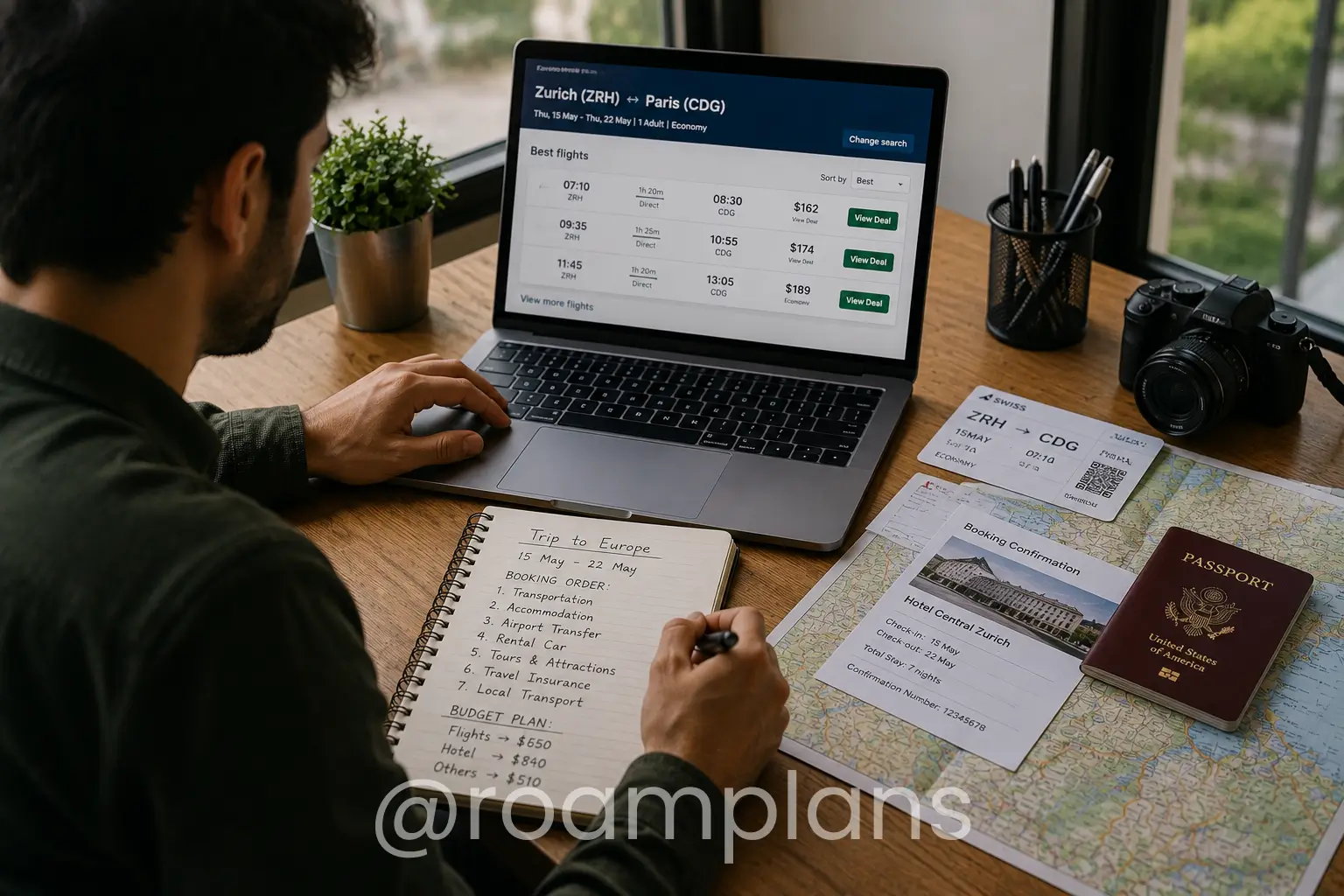
For most vacations, transportation should be your first confirmed booking.
This is especially true when traveling by plane or long-distance train.
Transportation often determines:
-
✓Your travel dates
-
✓Arrival time
-
✓Departure time
-
✓Overall travel schedule
Once these details are confirmed, planning everything else becomes much easier.
Flights
Flights often have the biggest impact on your trip.
Prices can change regularly depending on demand, season, and availability.
Booking your flight first gives you a fixed schedule around which you can organize the rest of your plans.
Before confirming your flight, check:
-
✓Departure and arrival airports
-
✓Flight times
-
✓Layovers
-
✓Baggage allowance
-
✓Airline policies
-
✓Total travel time
Looking beyond the ticket price can help you choose a flight that better fits your trip.
Train or Bus Travel
Not every trip involves flying.
Many domestic and regional trips rely on trains or long-distance buses.
These should also be booked early if:
-
✓Seats sell out quickly.
-
✓You are traveling during holidays.
-
✓You want lower fares.
-
✓You have a fixed travel schedule.
Booking transportation first gives you a solid foundation for the rest of your travel plans.
Why Transportation Should Come Before Everything Else
Think of transportation as the starting point of your entire trip.
Without confirmed travel dates, it is difficult to confidently book hotels, tours, rental cars, or other reservations.
Your transportation affects almost every other booking you make.
By securing it first, you reduce the chances of changing multiple reservations later.
That is why experienced travelers often begin with transportation before moving on to accommodation and other travel arrangements.
If you want to know when each booking should be made before your departure, our Travel Planning Timeline ↗ guide explains the ideal schedule from several months before your trip until travel day.
Book #2: Accommodation

Once your transportation is confirmed, the next step is booking your accommodation.
Your hotel, apartment, guesthouse, or vacation rental becomes your base during the trip.
Booking it after confirming your travel dates helps you avoid changing reservations later.
It also gives you a better chance of finding a place that matches your budget and preferred location.
Why Accommodation Should Be Booked Early?
Popular accommodations can fill up quickly, especially during:
-
✓School holidays
-
✓Public holidays
-
✓Peak tourist seasons
-
✓Festivals
-
✓Major local events
Booking early often gives you:
-
✓More accommodation choices
-
✓Better room rates
-
✓Flexible cancellation options
-
✓A wider selection of locations
You do not always need to book months in advance, but waiting until the last minute can reduce your options.
What to Check Before Booking?
Do not choose accommodation based only on price.
Spend a few minutes reviewing important details such as:
-
✓Location
-
✓Guest reviews
-
✓Check-in and check-out times
-
✓Cancellation policy
-
✓Nearby public transportation
-
✓Parking availability (if needed)
-
✓Breakfast or other included services
Choosing the right location can often save both time and transportation costs during your trip.
Book #3: Airport Transfers (If Needed)
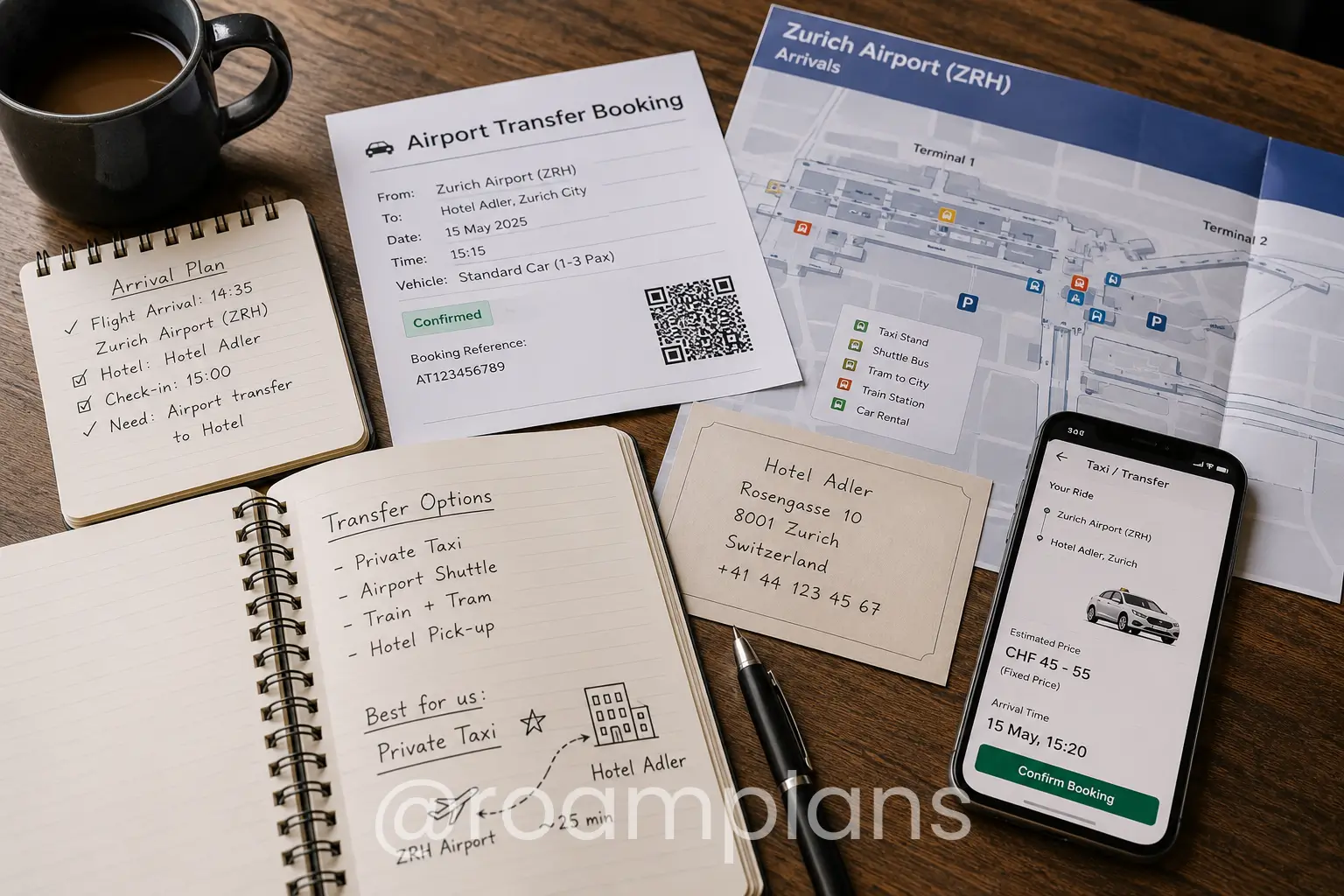
Not every trip requires an airport transfer.
However, if you are arriving in an unfamiliar destination late at night or early in the morning, arranging transportation in advance can make your arrival much easier.
Airport transfers may include:
-
✓Hotel shuttle
-
✓Private transfer
-
✓Taxi reservation
-
✓Ride-sharing service
-
✓Public transportation
Having a plan before you land helps you avoid unnecessary stress after a long journey.
When Should You Book Airport Transfers?
Consider booking airport transportation in advance if:
-
✓You arrive late at night.
-
✓Your destination has limited public transportation.
-
✓You are traveling with children.
-
✓You have a lot of luggage.
-
✓You are visiting during a busy travel season.
For some destinations, booking ahead also helps you avoid long taxi lines or higher last-minute prices.
Book #4: Rental Car
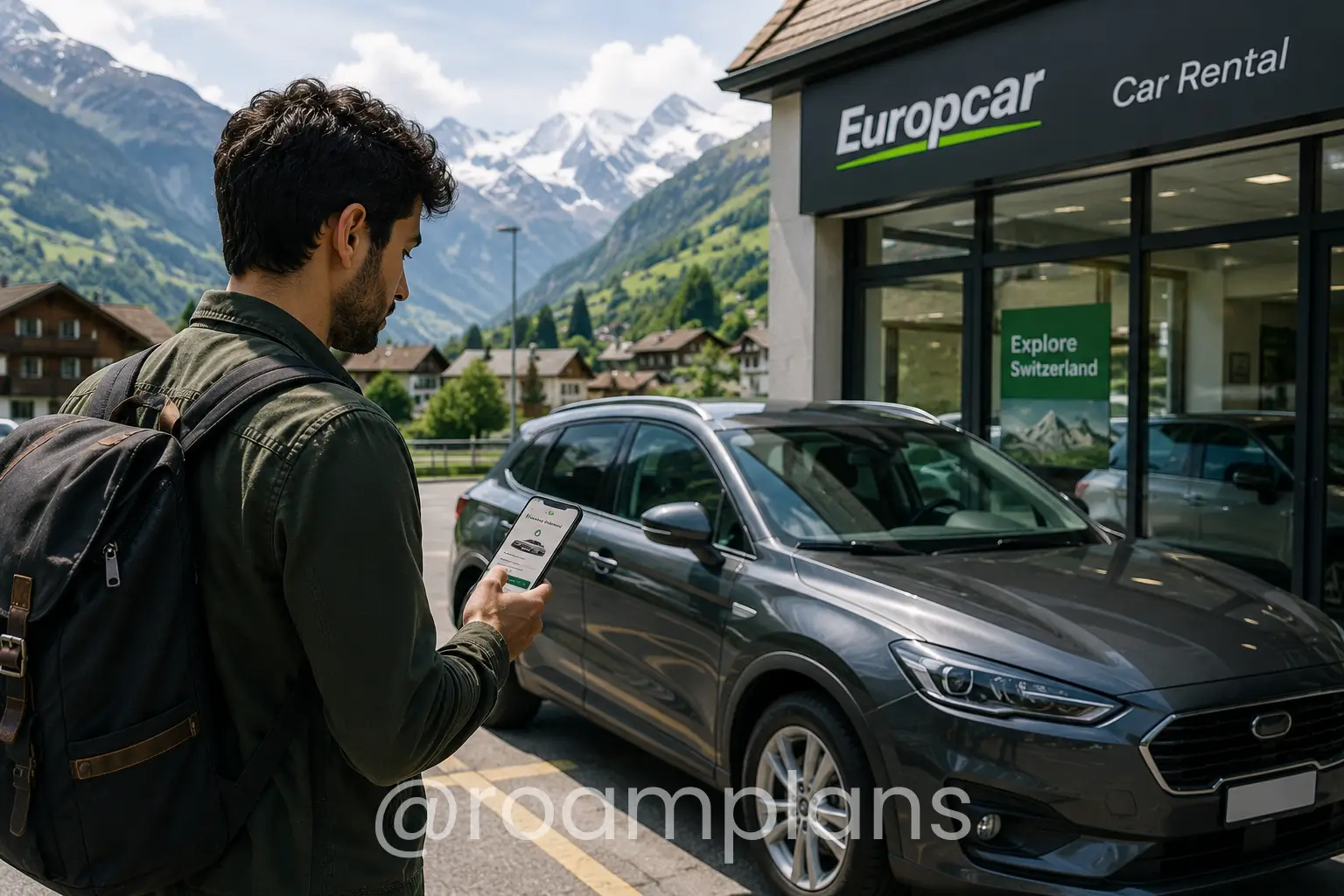
If your trip includes driving, reserve your rental car after confirming your flights and accommodation.
Rental availability can become limited during busy travel periods.
Booking early often gives you:
-
✓Better prices
-
✓More vehicle choices
-
✓Flexible pickup times
-
✓Better cancellation options
You can usually compare several rental companies before making a decision.
Before You Confirm Your Rental
Check details such as:
-
✓Pickup location
-
✓Drop-off location
-
✓Fuel policy
-
✓Mileage limits
-
✓Insurance options
-
✓Driver age requirements
-
✓Additional driver fees
Reading these conditions before booking helps prevent unexpected costs later.
Flexible vs Non-Refundable Bookings
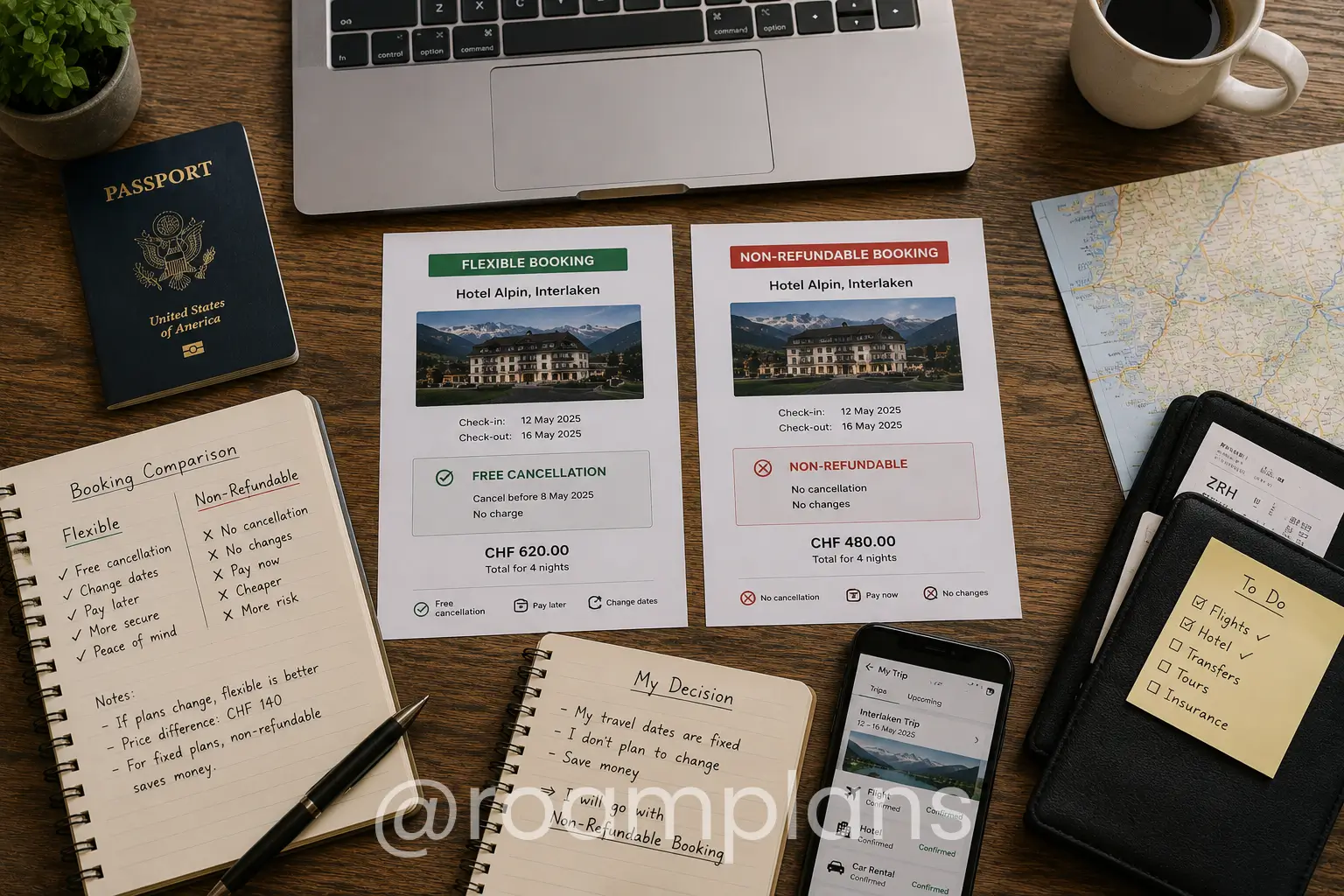
Not every reservation offers the same level of flexibility.
Some bookings can be changed without extra charges, while others cannot.
Understanding the difference is important before confirming your trip.
Flexible Bookings
Flexible bookings usually allow you to:
-
✓Change travel dates
-
✓Cancel before a certain deadline
-
✓Receive a partial or full refund
They often cost slightly more but provide greater peace of mind.
Non-Refundable Bookings
Non-refundable bookings are often cheaper.
However, they may not allow:
-
✓Free cancellations
-
✓Date changes
-
✓Refunds if your plans change
These bookings are usually best when your travel plans are already confirmed.
Which Option Should You Choose?
There is no single answer for every traveler.
A flexible booking may be worth the extra cost if:
-
✓Your plans are not final.
-
✓You are traveling during uncertain weather.
-
✓You are waiting for visa approval.
-
✓You are coordinating with several travelers.
A non-refundable booking may be suitable if:
-
✓Your travel dates are fixed.
-
✓You are confident your plans will not change.
-
✓The savings are significant.
Think about your situation before choosing the lowest price.
Booking Comparison
| Booking Type | Best Time to Book | Why It Comes Next |
|---|---|---|
| Transportation | First | Sets your travel schedule |
| Accommodation | After transportation | Matches confirmed travel dates |
| Airport Transfer | After accommodation | Depends on arrival details |
| Rental Car | After transportation and hotel | Matches your itinerary |
Following this order helps each booking support the next one, reducing the chances of changing multiple reservations later because one detail has changed.
Book #5: Tours and Attractions
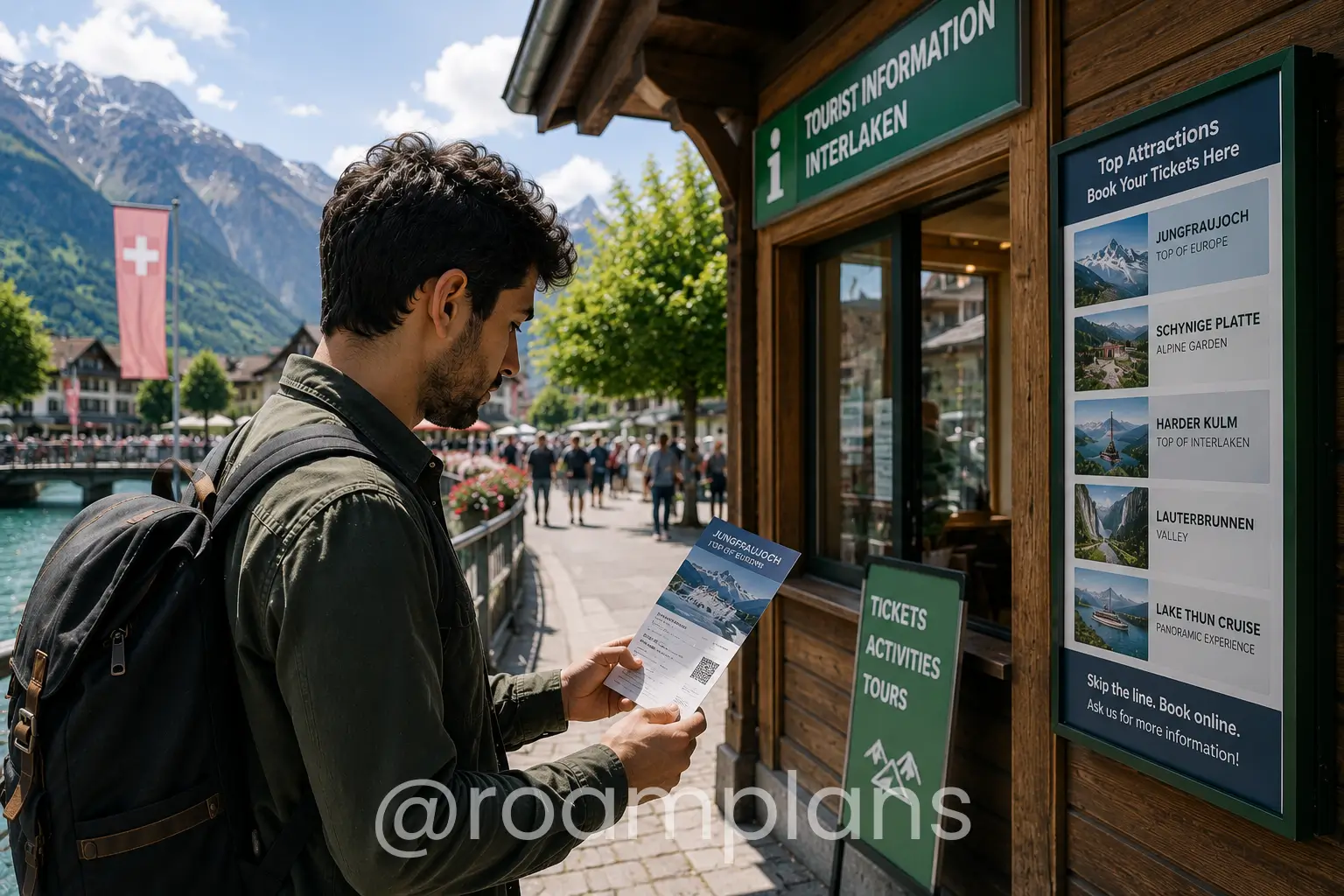
After your transportation and accommodation are confirmed, you can begin booking tours and attractions.
Not every activity needs to be reserved months in advance.
However, some popular attractions have limited daily tickets and may sell out well before your travel dates.
Booking these experiences at the right time helps you avoid disappointment.
What Should You Book Early?
Consider reserving activities in advance if they have:
-
✓Limited daily tickets
-
✓Timed entry
-
✓Seasonal availability
-
✓High visitor demand
-
✓Small group sizes
Examples may include:
-
✓Guided tours
-
✓National park permits
-
✓Theme parks
-
✓Museums with timed entry
-
✓Boat tours
-
✓Popular observation decks
Always check whether advance booking is recommended for your destination.
What Can Wait Until You Arrive?
Not every activity needs an early reservation.
Many local experiences can be booked after you reach your destination.
These may include:
-
✓Walking tours
-
✓Local markets
-
✓Small museums
-
✓Beaches
-
✓Public parks
-
✓Casual sightseeing
Keeping part of your schedule flexible allows you to explore at your own pace and adjust your plans if needed.
Book #6: Restaurants (When Reservations Are Needed)
Most restaurants do not require advance reservations.
However, some popular restaurants can be fully booked days or even weeks ahead.
If dining at a specific restaurant is an important part of your trip, it is worth checking its reservation policy before you travel.
Consider Booking Ahead If:
-
✓The restaurant is very popular.
-
✓You are traveling during holidays.
-
✓You are celebrating a special occasion.
-
✓You have a large group.
-
✓Reservations are required.
For everyday meals, you can usually decide where to eat after arriving.
Arrange Travel Insurance at the Right Time

Many travelers leave travel insurance until the last minute.
In some situations, it is better to arrange it soon after confirming your main bookings.
This is especially helpful if your policy includes protection for trip cancellations before departure.
Why Buy It Early?
Depending on the policy you choose, early purchase may help protect you if unexpected events affect your trip before you leave.
Travel insurance may provide coverage for situations such as:
-
✓Trip cancellation
-
✓Trip interruption
-
✓Medical emergencies
-
✓Lost baggage
-
✓Flight delays
Always read the policy carefully so you understand what is and is not covered.
Book #8: Local Transportation
Once your major reservations are complete, think about how you will travel around your destination.
Planning this in advance can save time after you arrive.
Depending on your destination, local transportation may include:
-
✓Metro or subway
-
✓Local buses
-
✓Trams
-
✓Ride-sharing services
-
✓Ferries
-
✓Taxis
-
✓Bike rentals
You do not always need to reserve these services before your trip, but understanding how they work can make your first day much easier.
Things You Should NOT Book Too Early
Booking early is often helpful, but booking everything immediately is not always the best strategy.
Some reservations are better made closer to your travel dates.
These often include:
-
✓Everyday restaurants
-
✓Flexible local activities
-
✓Weather-dependent tours
-
✓Short local excursions
-
✓Entertainment with frequent availability
Waiting allows you to make better decisions based on the weather, your energy level, and your interests after arriving.
Common Booking Mistakes
Even experienced travelers sometimes make booking mistakes.
Learning about these common problems can help you avoid unnecessary costs and stress.
Booking Without Comparing Prices
Prices often vary between providers.
Before confirming any reservation, compare:
-
✓Total cost
-
✓Included services
-
✓Cancellation policy
-
✓Guest reviews
-
✓Extra fees
A few minutes of research can sometimes save a significant amount of money.
Ignoring Cancellation Policies
Many travelers only notice the cancellation policy after they need to change their plans.
Always check:
-
✓Free cancellation deadline
-
✓Change fees
-
✓Refund conditions
-
✓Booking flexibility
Understanding these details before booking can prevent unexpected expenses.
Booking Too Many Activities
It is tempting to fill every day with tours and attractions.
However, leaving some free time often creates a more enjoyable vacation.
A balanced itinerary gives you flexibility if weather changes or you discover something unexpected during your trip.
Forgetting to Save Booking Confirmations
After making reservations, keep all confirmations in one place.
Save:
-
✓Booking confirmation emails
-
✓Digital tickets
-
✓Hotel reservations
-
✓Flight details
-
✓Insurance documents
Having easy access to these documents makes your trip much smoother, especially if your internet connection is limited.
Domestic vs International Booking Order
The booking order stays mostly the same whether you are traveling within your own country or abroad.
However, international trips usually require a few extra steps because there are more travel requirements to consider.
Understanding these differences helps you avoid delays and unnecessary stress.
Domestic Trip Booking Order
A simple booking order for most domestic trips is:
-
✓Transportation
-
✓Accommodation
-
✓Rental Car (if needed)
-
✓Tours and Attractions
-
✓Travel Insurance (optional for many trips)
-
✓Local Transportation
Because domestic travel often involves fewer documents and restrictions, planning is usually more straightforward.
International Trip Booking Order
International trips often include a few additional steps.
A practical booking order is:
-
✓Confirm passport validity.
-
✓Check visa requirements.
-
✓Book transportation.
-
✓Book accommodation.
-
✓Arrange travel insurance.
-
✓Reserve airport transfers.
-
✓Book rental cars (if needed).
-
✓Reserve popular tours and attractions.
-
✓Prepare local transportation and payment methods.
Starting with travel documents before making major reservations helps reduce the risk of unexpected problems.
Does the Season Change the Booking Order?
The booking order usually stays the same throughout the year.
However, how early you book can change depending on the travel season.
Peak Travel Seasons
During busy periods such as:
-
✓Summer holidays
-
✓School vacations
-
✓Christmas and New Year
-
✓National holidays
-
✓Major festivals
It is often wise to book transportation and accommodation much earlier because prices may increase and availability can become limited.
Off-Peak Travel
Traveling during quieter seasons often gives you:
-
✓More accommodation choices
-
✓Lower prices
-
✓Greater flexibility
-
✓Better availability
You may not need to reserve every part of your trip as far in advance.
Complete Booking Checklist

Use this checklist before you consider your trip fully planned.
Before Booking
✅ Choose your destination.
✅ Confirm your travel dates.
✅ Check passport validity (for international trips).
✅ Check visa requirements (if needed).
✅ Set your travel budget.
Main Bookings
✅ Transportation confirmed.
✅ Accommodation reserved.
✅ Airport transfer arranged (if needed).
✅ Rental car booked (if needed).
✅ Travel insurance purchased.
✅ Tours and attractions reserved where necessary.
Final Preparations
✅ Download booking confirmations.
✅ Save digital and printed copies of important documents.
✅ Check local transportation options.
✅ Prepare payment methods.
✅ Pack all required travel documents.
Completing these steps gives you confidence that the important parts of your trip are already organized.
Frequently Asked Questions
First confirm your documents, dates, destination, and budget. Then book the reservation that controls the trip. For most flight or train journeys, long-distance transportation comes first and accommodation comes second. When lodging is extremely limited, place a refundable accommodation hold before finalizing transportation.
In most cases, yes. Your transportation usually determines your travel dates, making it easier to choose the right accommodation.
You can, but it may create problems if your travel dates change later. Booking transportation first is usually the safer approach.
Many travelers purchase travel insurance soon after confirming their main bookings, especially for international trips.
Only if they are popular, have limited availability, or require advance reservations. Many local activities can be booked after you arrive.
Not always. Transportation and accommodation often benefit from early booking, while some activities can be planned closer to your travel dates.
Always check cancellation policies, total costs, included services, and any travel requirements before confirming a reservation.
The general order is similar, but transportation usually means planning your driving route instead of booking flights.
Flexible bookings can make changes much easier. Before confirming any reservation, review the provider’s cancellation and change policy.
Final Thoughts
One of the biggest lessons I’ve learned from planning trips is that the order of your bookings can make a bigger difference than many people realize. Early in my travels, I focused on finding the cheapest deals without thinking about how one reservation affected the next. Over time, I found that starting with the most important bookings first—then building the rest of the trip around them—saved me money, reduced stress, and made planning much more enjoyable.
You don’t need to book everything on the same day or rush through the planning process. Take each step in the right order, review your options carefully, and choose reservations that fit your travel style and budget. A well-organized booking plan gives you more flexibility, fewer surprises, and the confidence to look forward to your trip instead of worrying about the details.

Adnan Ahmed
RoamPlans AuthorTravel Planning Researcher & Editor
Adnan Ahmed is the travel planning researcher and editor behind RoamPlans. He creates clear, practical guides to help travelers compare destinations, plan routes, estimate costs, and avoid common trip-planning mistakes. His work combines careful source research, official travel information, and regular content reviews to keep each guide useful and current.
- ✓Destination Research
- ✓Budget Planning
- ✓Route Planning
- ✓Beginner Travel Guides



Turn This Guide into a Practical Trip Plan
Use the recommended Free Travel Itinerary Builder or explore more free RoamPlans tools.