How to Research a Destination Before You Go
Choosing your destination is only the first step.
Before you book every activity or start packing your suitcase, spend some time learning about ↗ the place you are going to visit.
Good destination research helps you know what to expect before you arrive.
It can help you avoid common mistakes, prepare for local customs, understand transportation, and make better decisions throughout your trip.
You do not need to spend weeks researching every detail.
Instead, focus on learning the information that will make your trip smoother, safer, and more enjoyable.
This guide will show you exactly what to research before you travel so you can arrive feeling confident instead of surprised.
Why Destination Research Matters?
Every destination is different.
The weather, transportation, local customs, costs, language, and daily routines can all change from one place to another.
Learning about these things before your trip helps you prepare for situations that may otherwise catch you off guard.
Good research can help you:
- ✓Understand what to expect
- ✓Avoid common travel mistakes
- ✓Plan your daily activities more easily
- ✓Respect local customs
- ✓Feel more confident after arriving
- ✓Spend less time solving unexpected problems
The goal is not to know everything.
The goal is to understand the destination well enough to enjoy your trip with fewer surprises.
Start with the Basic Information
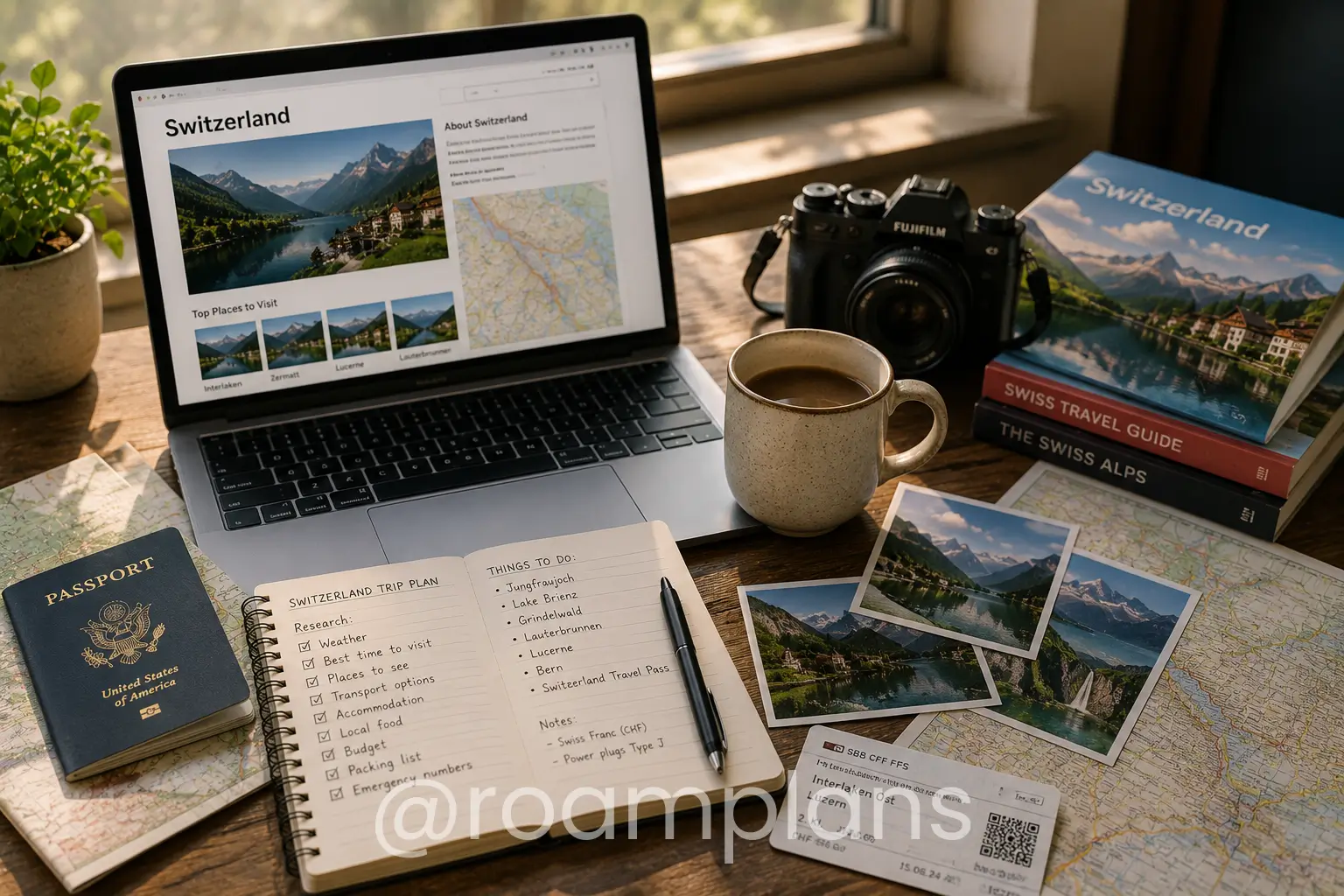
Before researching smaller details, learn the basic facts about your destination.
This gives you a solid foundation for the rest of your planning.
You do not need to memorize every detail.
Simply become familiar with the place you are visiting.
Basic Information Checklist
Before traveling, try to know:
- ✓Country and city names
- ✓Official language
- ✓Local currency
- ✓Time zone
- ✓Population
- ✓Capital city if visiting a country
- ✓Emergency phone numbers
- ✓Electrical plug type
- ✓Local measurement system if different
Having this information makes many other parts of your trip easier to understand.
Basic Destination Overview
| Information | Why It Matters |
|---|---|
| Language | Helps with communication |
| Currency | Makes spending easier |
| Time Zone | Helps plan flights and schedules |
| Emergency Numbers | Useful during unexpected situations |
| Power Plugs | Helps you prepare electronic devices |
These simple facts may seem small, but they often become useful once your trip begins.
Learn About Local Culture
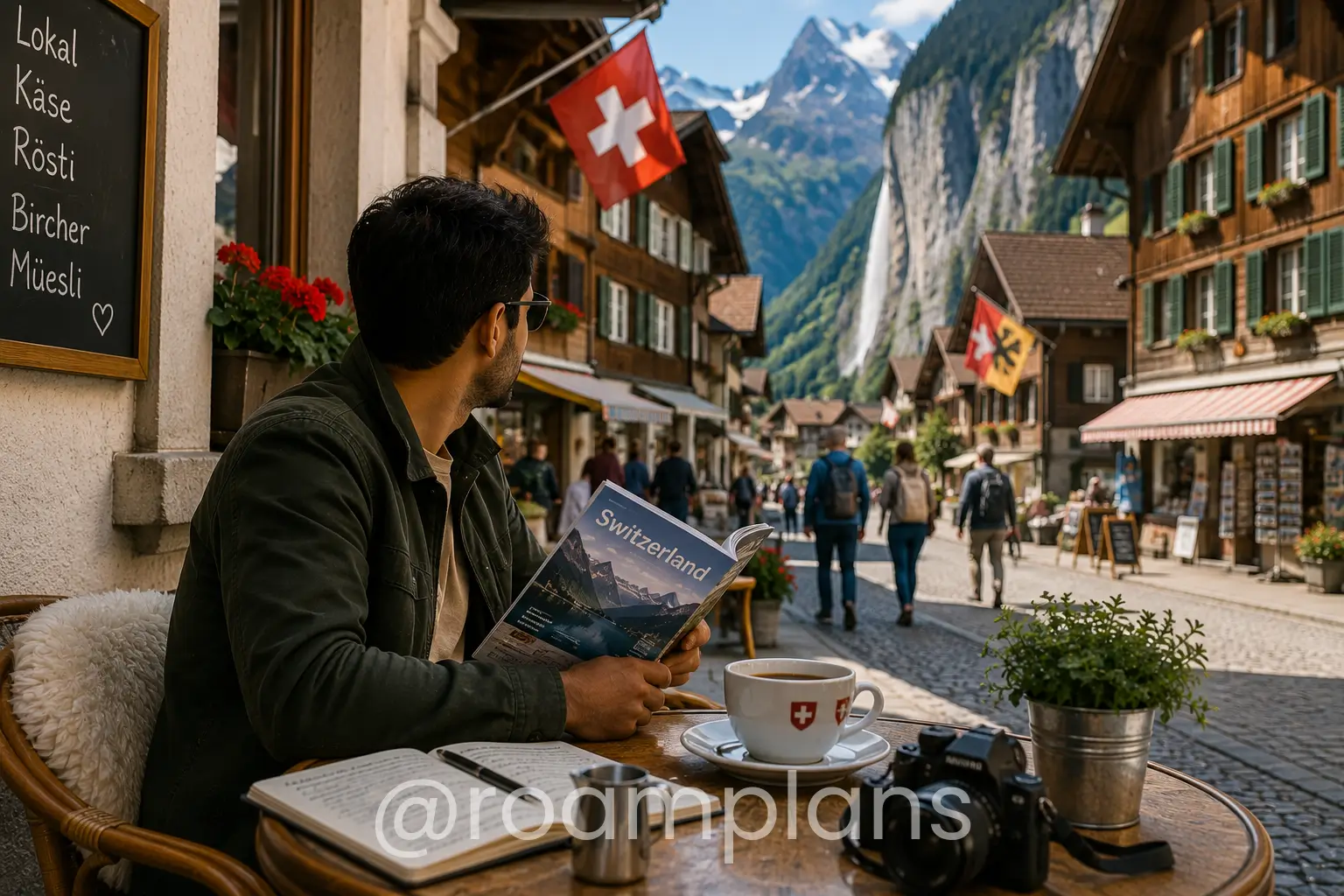
Every destination has its own customs and traditions.
Understanding them before you travel shows respect for local communities and helps you avoid uncomfortable situations.
You do not need to become an expert in the local culture.
Learning a few important customs is often enough to make your experience much smoother.
Things Worth Researching
Consider learning about:
- ✓Greetings
- ✓Local manners
- ✓Dress expectations
- ✓Dining etiquette
- ✓Photography rules
- ✓Religious sites
- ✓Public behavior
- ✓Local holidays and celebrations
Knowing these customs helps you feel more comfortable while interacting with local people.
Cultural Research Checklist
- ✓Learn basic greetings
- ✓Understand local etiquette
- ✓Check clothing expectations
- ✓Respect religious or cultural sites
- ✓Learn about important local traditions
- ✓Understand common social customs
Showing respect for local culture often creates better travel experiences for everyone.
Learn a Few Basic Local Words
You do not need to become fluent before your trip.
However, learning a few simple words can make everyday situations much easier.
Even if many local people speak English, making an effort to use a few local phrases is often appreciated.
Helpful Words to Learn
Try to learn how to say:
- ✓Hello
- ✓Goodbye
- ✓Please
- ✓Thank you
- ✓Yes
- ✓No
- ✓Excuse me
- ✓Where is…?
- ✓Help
- ✓How much?
These simple phrases can make communication easier and show respect for the local language.
Research the Weather During Your Visit
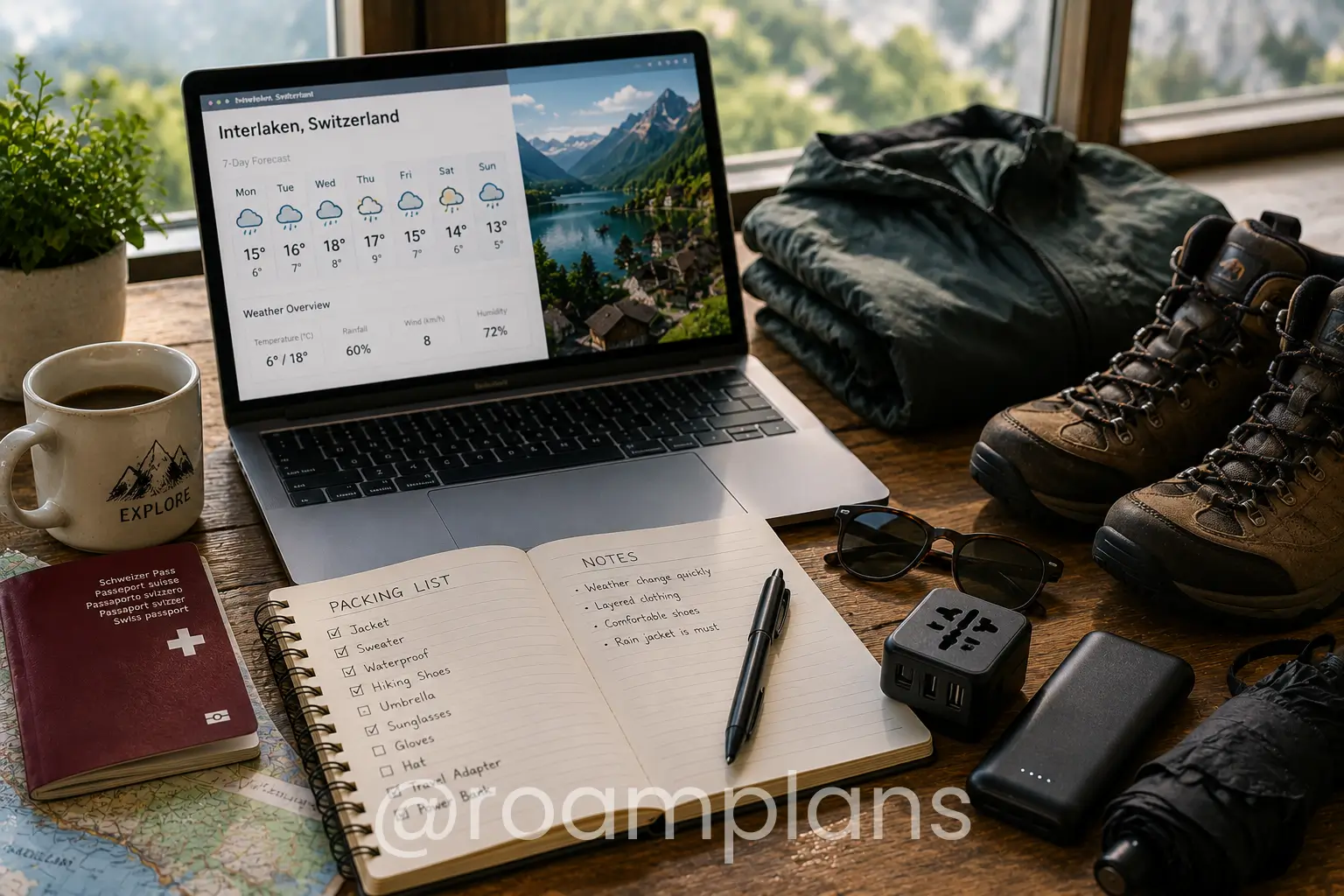
Weather affects almost every part of your trip.
It influences what you pack, the activities you choose, and how comfortable you feel each day.
Do not rely only on annual climate descriptions.
Instead, research the typical weather during the exact month you plan to visit.
Weather Research Checklist
Before traveling, check:
- ✓Average daytime temperatures
- ✓Night temperatures
- ✓Rainfall
- ✓Humidity
- ✓Wind conditions
- ✓Seasonal weather patterns
- ✓Sunrise and sunset times if important
Understanding these conditions helps you prepare more realistically.
Weather Comparison Table
| Weather Factor | Why It Is Helpful |
|---|---|
| Temperature | Helps choose suitable clothing |
| Rainfall | Helps plan outdoor activities |
| Humidity | Affects comfort during sightseeing |
| Seasonal Conditions | Helps set realistic expectations |
| Daylight Hours | Useful when planning daily activities |
Researching the weather before your trip allows you to plan more comfortably instead of reacting to unexpected conditions after you arrive.
Find Out What Makes the Destination Special
Every destination has something that attracts visitors.
Before you travel, spend a little time understanding what the destination is known for.
This helps you decide which experiences matter most during your visit.
For example, a destination may be famous for:
- ✓Historic landmarks
- ✓Beautiful beaches
- ✓National parks
- ✓Local cuisine
- ✓Museums
- ✓Festivals
- ✓Mountain scenery
- ✓Wildlife
- ✓Shopping districts
- ✓Unique architecture
You do not need to create a full itinerary yet.
Simply identify the highlights that make the destination worth visiting.
This will make it much easier to decide what deserves your time once you begin planning your daily activities.
Understand How to Get Around
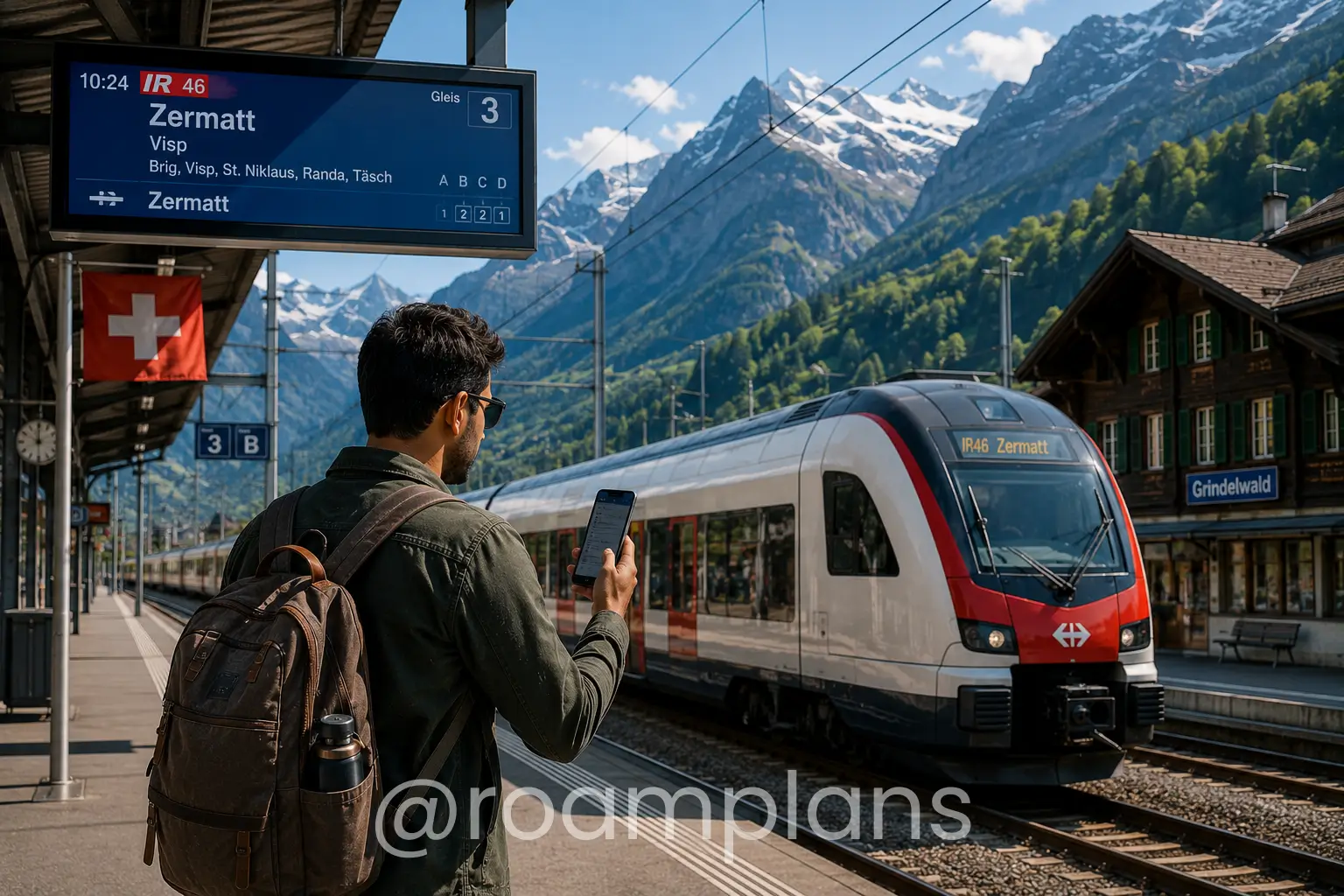
Transportation can have a big impact on your travel experience.
Some destinations are easy to explore using public transportation, while others are better suited to rental cars, bicycles, or walking.
Researching transportation before you travel helps you understand what to expect after you arrive.
Things to Research
Look into:
- ✓Public transportation
- ✓Airport transportation
- ✓Train and bus services
- ✓Taxi availability
- ✓Ride-sharing services
- ✓Walking conditions
- ✓Bicycle rentals if available
You do not need to plan every journey now.
Simply understand the main ways people travel around the destination.
Transportation Research Checklist
- ✓How will I travel from the airport?
- ✓Is public transportation easy to use?
- ✓Will I need a rental car?
- ✓Can I walk to major attractions?
- ✓Are taxis or ride-sharing services available?
- ✓Which transportation option best suits my trip?
Knowing these answers before you arrive can save both time and confusion.
Research the Best Areas to Stay
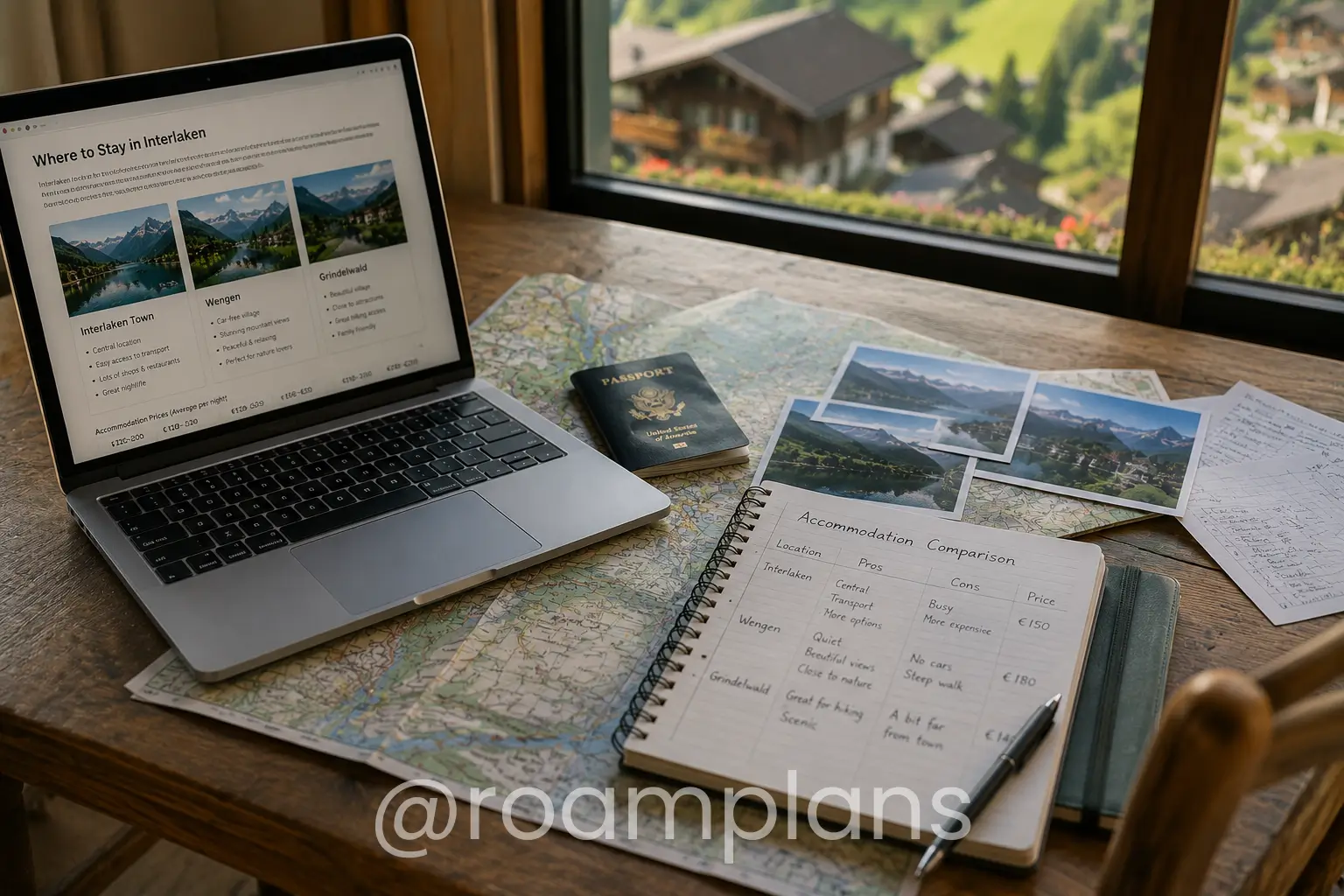
Not every neighborhood offers the same travel experience.
Some areas are close to major attractions, while others may be quieter or better suited to different travel styles.
Learning about the main neighborhoods helps you choose accommodation that fits your trip.
Compare Different Areas
Think about:
- ✓Distance from attractions
- ✓Transportation access
- ✓Restaurants and cafés
- ✓Shopping areas
- ✓Nightlife
- ✓Family-friendly neighborhoods
- ✓Quiet residential areas
Every traveler has different priorities.
A neighborhood that works well for a family may not be the best choice for someone looking for nightlife.
Neighborhood Comparison Table
| Factor | Why It Matters |
|---|---|
| Location | Reduces travel time |
| Transportation | Easier sightseeing |
| Food Options | More dining choices |
| Atmosphere | Matches your travel style |
| Nearby Attractions | Saves time during your trip |
Understanding the different areas before booking accommodation often leads to a more enjoyable stay.
Learn About Local Money and Payments
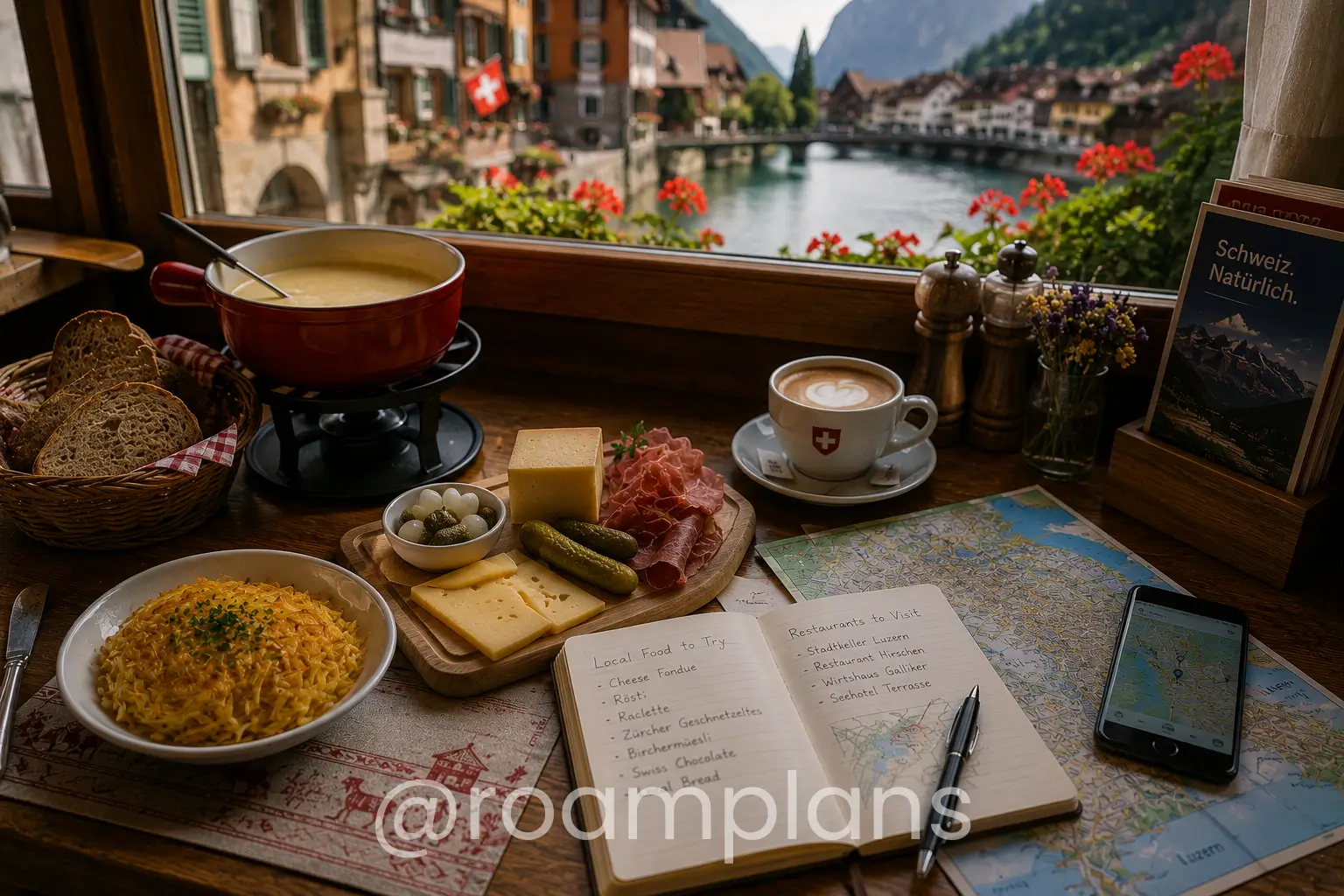
Managing money becomes much easier when you know how payments work at your destination.
Payment methods vary from one place to another.
Some destinations rely heavily on cards, while others still use cash for many everyday purchases.
Researching this before your trip helps you prepare without carrying more money than necessary.
Things to Check
Before traveling, learn about:
- ✓Local currency
- ✓Common payment methods
- ✓Cash availability
- ✓Card acceptance
- ✓Contactless payments
- ✓ATMs
- ✓Typical tipping practices
You do not need to calculate your entire travel budget here.
Simply understand how people usually pay for goods and services.
Money Research Checklist
- ✓Learn the local currency
- ✓Check whether cards are widely accepted
- ✓Find out if cash is commonly used
- ✓Understand local tipping customs
- ✓Know where ATMs are available if needed
Being familiar with local payment methods makes everyday purchases much easier.
Check Internet Access and Mobile Connectivity
Many travelers rely on their phones for maps, transportation, communication, and travel information.
Knowing how you will stay connected before your trip can prevent unnecessary stress after you arrive.
Research Before You Go
Find out about:
- ✓Mobile network coverage
- ✓Wi-Fi availability
- ✓eSIM options if supported
- ✓Local SIM cards
- ✓International roaming
- ✓Internet speed in your destination
You do not need to buy anything yet.
The goal is simply to understand your available options.
Connectivity Checklist
- ✓Will my current mobile plan work?
- ✓Is Wi-Fi easy to find?
- ✓Do I need a local SIM or eSIM?
- ✓Will I have internet access during transportation?
- ✓Can I access important travel information offline?
Preparing for internet access helps you stay connected throughout your trip.
Learn About Local Food and Dining
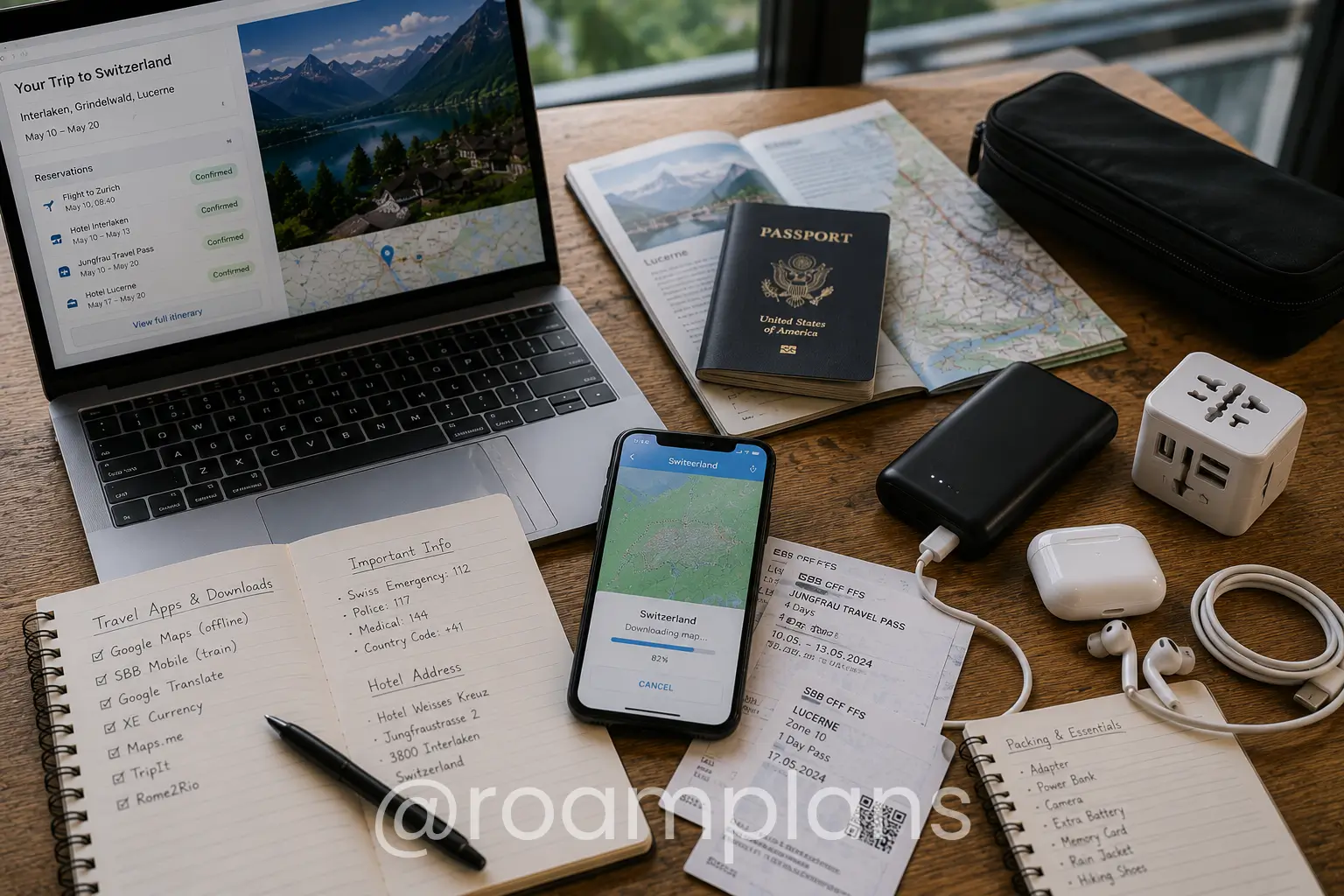
Food is an important part of many travel experiences.
Researching local cuisine before your trip helps you discover dishes you may want to try and understand how dining usually works.
Things Worth Learning
Consider researching:
- ✓Popular local dishes
- ✓Regional specialties
- ✓Typical meal times
- ✓Vegetarian or dietary options
- ✓Local drinks
- ✓Food markets
- ✓Dining customs
You do not need to decide where you will eat every day.
Simply become familiar with the local food culture.
Food Research Checklist
- ✓Learn about popular local dishes
- ✓Check dining customs
- ✓Find suitable options for dietary needs
- ✓Identify food experiences you would like to try
- ✓Understand typical restaurant hours
Trying local food is often one of the most memorable parts of a trip.
Find Important Local Services
Hopefully, you will never need emergency assistance while traveling.
However, knowing where to find important services can give you extra peace of mind.
A few minutes of research before your trip can make a big difference if an unexpected situation occurs.
Useful Services to Locate
Research the location of:
- ✓Hospitals
- ✓Pharmacies
- ✓Police stations
- ✓Tourist information centers
- ✓Public transportation hubs
- ✓Currency exchange services
- ✓Supermarkets
You may never need most of these places.
Still, knowing they are available can make your trip feel much more comfortable.
Essential Services Checklist
- ✓Locate the nearest hospital
- ✓Find nearby pharmacies
- ✓Identify tourist information centers
- ✓Learn where major transportation hubs are located
- ✓Save important emergency contact numbers
Having this information ready before you travel allows you to spend less time searching if you ever need assistance.
Research the Top Attractions
Every destination has places that attract most visitors.
Learning about these attractions before your trip helps you understand what makes the destination unique.
You do not need to create a detailed itinerary yet.
Instead, identify the attractions that genuinely interest you.
This makes it easier to decide how you want to spend your time after you arrive.
Things to Research
Look for:
- ✓Famous landmarks
- ✓Museums
- ✓National parks
- ✓Scenic viewpoints
- ✓Beaches
- ✓Historic sites
- ✓Cultural attractions
- ✓Local markets
- ✓Walking areas
Remember that popular attractions are not always the best choice for every traveler.
Choose experiences that match your own interests.
Attraction Research Checklist
- ✓Which attractions interest me most?
- ✓Are they open during my visit?
- ✓Do any require advance booking?
- ✓How much time should I allow for each visit?
- ✓Are there any seasonal attractions?
Knowing these details early helps you avoid disappointment later.
Learn About Local Customs and Etiquette
Respecting local customs can make your travel experience much more enjoyable.
Small cultural differences are normal, and learning about them before your trip shows respect for the people who live there.
You do not need to memorize every tradition.
Simply understand the customs you are most likely to encounter during your visit.
Areas Worth Researching
Learn about:
- ✓Greetings
- ✓Queue etiquette
- ✓Dining manners
- ✓Tipping expectations
- ✓Photography rules
- ✓Religious sites
- ✓Appropriate clothing
- ✓Public behavior
Being aware of these customs helps you avoid accidental misunderstandings.
Etiquette Checklist
- ✓Learn basic greetings
- ✓Understand dining customs
- ✓Check clothing expectations
- ✓Respect local traditions
- ✓Learn any important cultural rules
A little preparation can help you interact with local people more confidently and respectfully.
Check Local Events During Your Visit
The time of your visit can completely change your travel experience.
Some destinations host festivals, sporting events, concerts, or public celebrations throughout the year.
These events may become one of the highlights of your trip.
At the same time, they can also affect accommodation availability, transportation, and crowd levels.
Research Before Traveling
Check for:
- ✓Public holidays
- ✓Local festivals
- ✓Cultural celebrations
- ✓Sporting events
- ✓Concerts
- ✓Seasonal markets
- ✓Community events
Knowing what is happening during your visit helps you set realistic expectations.
Event Research Checklist
- ✓Are any festivals taking place?
- ✓Will public holidays affect opening hours?
- ✓Will major events increase crowds?
- ✓Do any events match my interests?
- ✓Should I reserve tickets in advance?
Even if you decide not to attend an event, it is helpful to know how it may affect your trip.
Download Helpful Travel Apps and Offline Information
Many travel tools work best when you prepare them before leaving home.
Downloading useful apps and saving important information in advance can make your trip much easier.
It also helps if your internet connection is limited after arrival.
Useful Things to Save
Before your trip, consider downloading:
- ✓Offline maps
- ✓Translation apps
- ✓Public transportation apps
- ✓Airline or train apps
- ✓Hotel booking confirmations
- ✓Digital tickets
- ✓Emergency contact information
You do not need dozens of travel apps.
Choose only the ones you are likely to use.
Digital Preparation Checklist
- ✓Download offline maps
- ✓Save accommodation details
- ✓Download transportation apps
- ✓Store digital tickets
- ✓Save important phone numbers
- ✓Keep copies of important reservations
Preparing these items before departure can save valuable time during your trip.
Make a Simple Destination Research Folder
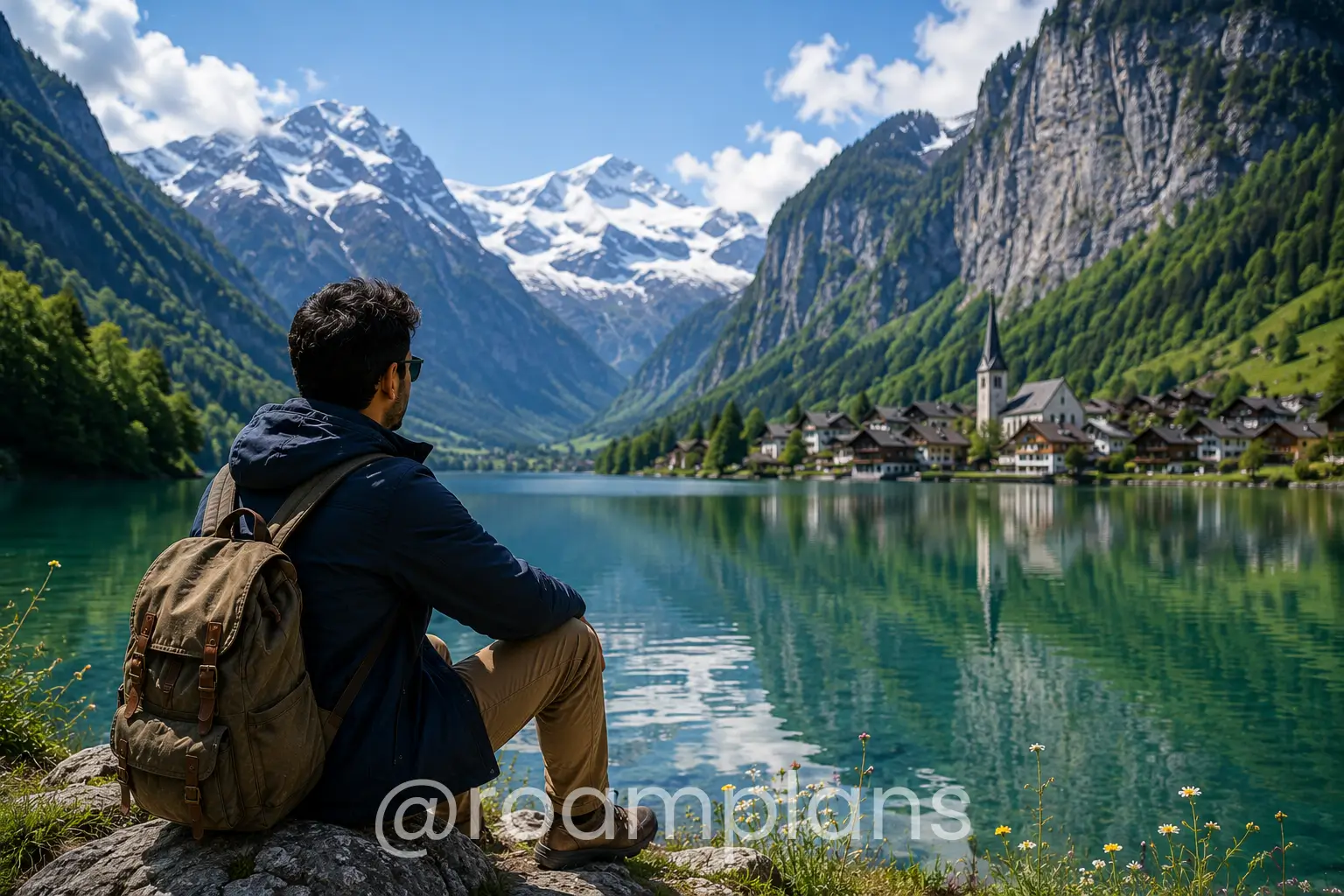
After collecting information, keep everything in one place.
This makes it much easier to find important details when you need them.
Your folder can be digital, printed, or both.
The format is less important than keeping your information organized.
Include Information Such As
- ✓Reservation confirmations
- ✓Transportation details
- ✓Accommodation address
- ✓Emergency contacts
- ✓Offline maps
- ✓Attraction information
- ✓Local transportation notes
- ✓Important phone numbers
Having everything together reduces the need to search through emails or multiple apps while traveling.
Destination Research Checklist
Before your trip, make sure you have researched:
- ✓Basic destination information
- ✓Local culture and customs
- ✓Weather during your visit
- ✓Transportation options
- ✓Best neighborhoods
- ✓Payment methods
- ✓Internet access
- ✓Local food
- ✓Important services
- ✓Attractions
- ✓Local events
- ✓Helpful travel apps
- ✓Emergency information
Completing this checklist gives you a solid understanding of your destination before you leave, making it easier to travel with confidence.
Common Destination Research Mistakes
Many travelers spend time researching their destination, but they do not always focus on the information that actually matters.
Avoiding a few common mistakes can help you prepare more effectively.
Relying Only on Social Media
Travel photos and short videos often show the best moments of a destination.
They may not show busy crowds, transportation challenges, seasonal weather, or everyday conditions.
Use social media for inspiration, but always compare it with reliable travel information.
Researching Too Late
Some travelers only begin researching a few days before departure.
This leaves very little time to understand the destination or make better travel decisions.
Starting your research several weeks before your trip allows you to prepare without feeling rushed.
Ignoring Local Customs
Small cultural differences can have a big impact on your experience.
Taking a little time to understand local etiquette shows respect and helps you feel more comfortable during your trip.
Forgetting Seasonal Conditions
A destination can look very different depending on the time of year.
Always check the expected weather and seasonal conditions for your travel dates instead of relying on general climate information.
Researching Everything at Once
Trying to learn every detail in one evening can quickly become overwhelming.
Instead, focus on one topic at a time, such as transportation, local culture, attractions, or weather.
This makes the research process much easier.
Saving Nothing for Offline Use
Many travelers assume they will always have internet access.
Downloading maps, important reservations, and emergency information before leaving home gives you a useful backup if your connection is limited.
Frequently Asked Questions
Research helps you understand local customs, transportation, weather, attractions, payment methods, and other useful information before you arrive. This makes your trip smoother and more enjoyable.
You do not need to know everything. Focus on the information that will help you travel comfortably and avoid common surprises after you arrive.
It is a good idea to begin researching soon after choosing your destination. This gives you enough time to learn important information without feeling rushed.
There is no single answer. Weather, transportation, local customs, attractions, payment methods, and safety information are all important areas to understand before traveling.
You do not need to become fluent. Learning a few simple words and phrases is usually enough to make communication easier and show respect for the local culture.
Yes. Understanding how people usually travel around the destination can save time and help you move around more confidently after you arrive.
Yes. Knowing what attractions are available helps you decide which experiences are most important before planning your daily schedule.
Yes. The amount of research depends on where you are traveling, how long you will stay, and the type of experience you want.
Final Thoughts
Researching a destination before you travel is one of the easiest ways to make your trip more enjoyable.
A little preparation helps you understand local customs, transportation, weather, attractions, payment methods, and everyday life before you arrive.
You do not need to become an expert on every destination.
Instead, focus on gathering the information that will help you feel confident and prepared.
The more you understand your destination before departure, the more time you can spend enjoying your trip instead of solving unexpected problems.
Good destination research is not about removing every surprise.
It is about replacing unnecessary uncertainty with useful knowledge so you can travel with greater confidence and peace of mind.

Adnan Ahmed
RoamPlans AuthorTravel Planning Researcher & Editor
Adnan Ahmed is the travel planning researcher and editor behind RoamPlans. He creates clear, practical guides to help travelers compare destinations, plan routes, estimate costs, and avoid common trip-planning mistakes. His work combines careful source research, official travel information, and regular content reviews to keep each guide useful and current.
- ✓Destination Research
- ✓Budget Planning
- ✓Route Planning
- ✓Beginner Travel Guides
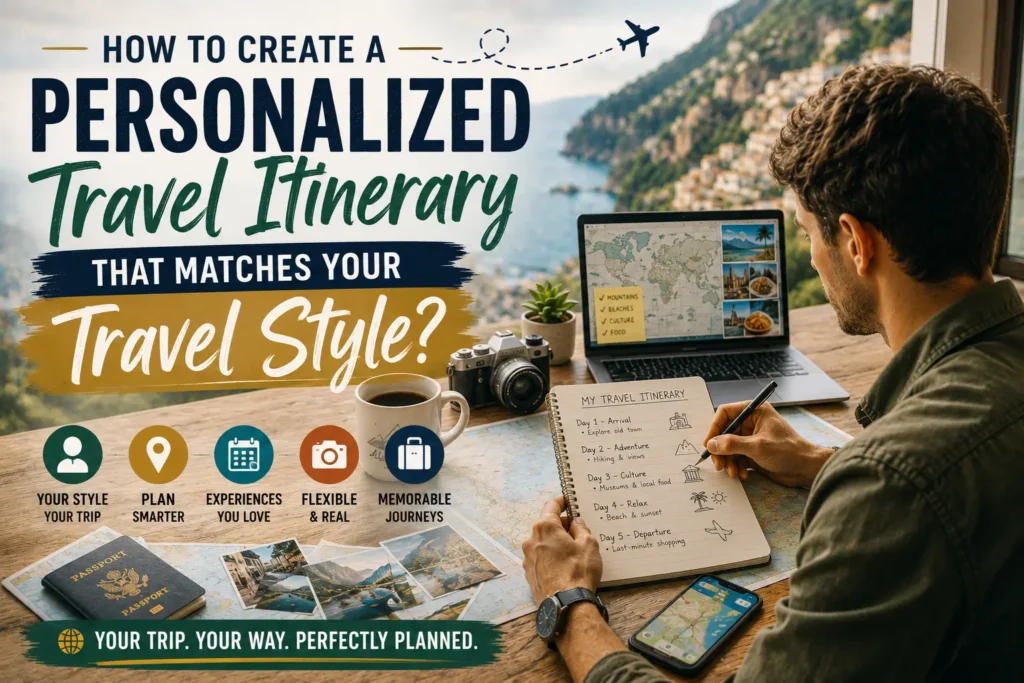
Turn This Guide into a Practical Trip Plan
Use the recommended Free Travel Itinerary Builder or explore more free RoamPlans tools.