Carry-On Packing List: What to Pack in Your Cabin Bag (Beginner’s Guide)
I used to think my carry-on bag was only for keeping me ↗ entertained during a flight. That changed after one trip when my checked suitcase arrived a day late. Thankfully, I had packed my passport, phone charger, medication, a clean shirt, and a few other essentials in my carry-on. Those simple items made the delay much less stressful. Since then, I always pack my cabin bag as if it might be the only luggage I’ll have for the first day of my trip.
This carry-on packing list will help you understand what belongs in your cabin bag and why each item matters. Rather than filling your carry-on with everything you own, the goal is to pack the essentials you’ll need during your journey and immediately after arrival. By the end of this guide, you’ll know how to organize your carry-on efficiently while avoiding unnecessary weight and clutter.
Why Your Carry-On Bag Is So Important?
Your carry-on isn’t just another piece of luggage.
It’s the bag that stays with you throughout your journey.
Unlike checked luggage, your carry-on remains within easy reach, making it the best place for valuable and essential items.
A well-packed carry-on can help you:
- ✓Stay comfortable during your journey.
- ✓Access important items quickly.
- ✓Prepare for unexpected travel delays.
- ✓Keep valuable belongings with you.
- ✓Manage the first day of your trip, even if your checked luggage is delayed.
Thinking of your carry-on as your “travel survival bag” makes it easier to decide what should go inside.
Check Your Airline’s Carry-On Rules
Before you start packing, take a few minutes to check your airline’s baggage policy.
Although many airlines have similar rules, size and weight limits can vary.
Pay attention to:
- ✓Maximum bag dimensions.
- ✓Weight limits.
- ✓Personal item allowance.
- ✓Liquid restrictions.
- ✓Special rules for electronics or batteries.
Knowing these requirements before you travel can help you avoid unexpected fees or having to repack your bag at the airport.
Keep Your Travel Documents Easy to Reach
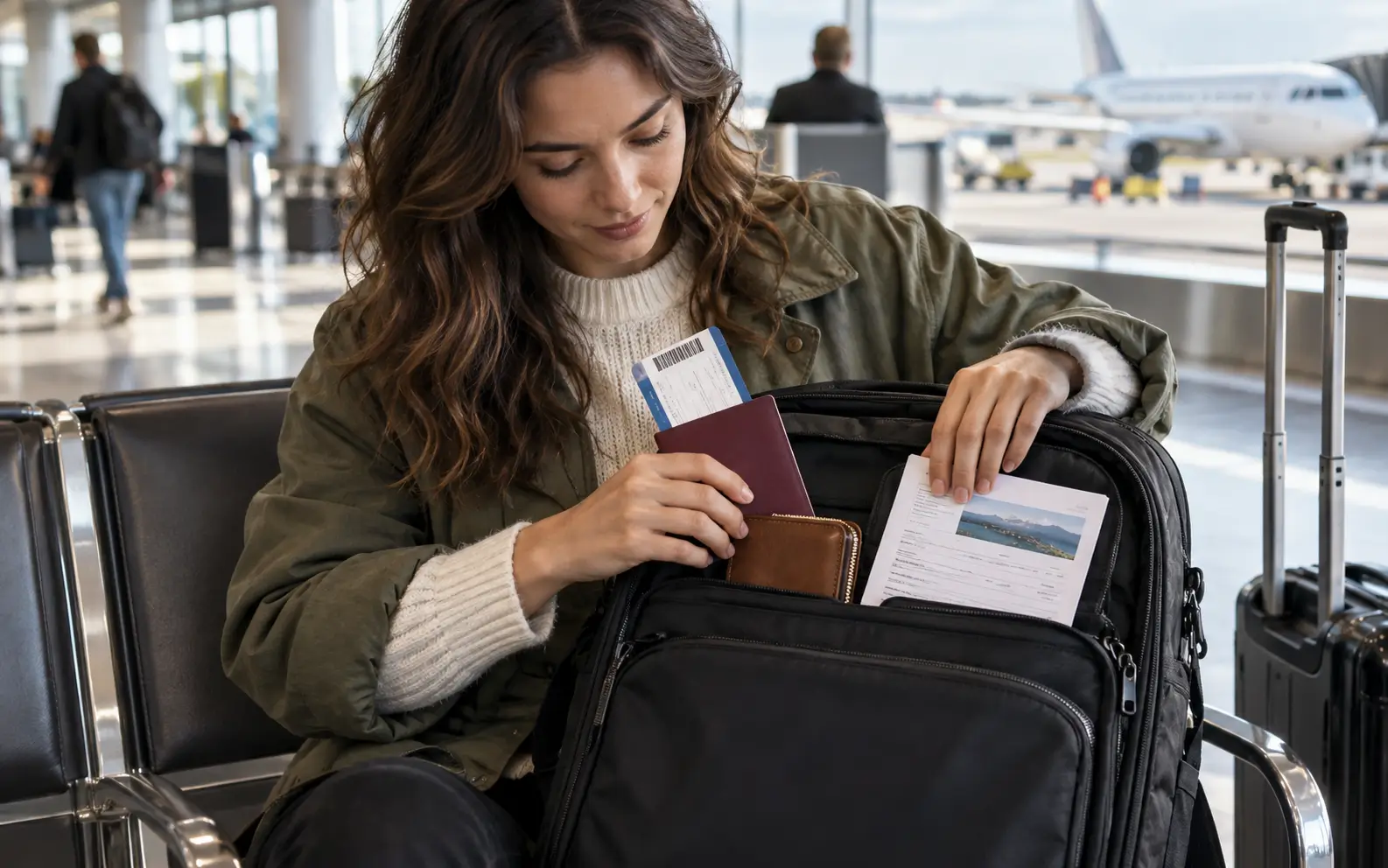
Your travel documents are some of the first things you’ll need during your journey.
Instead of placing them at the bottom of your bag, keep them in an easily accessible pocket or travel organizer.
Depending on your trip, you may need:
- ✓Passport.
- ✓National ID card.
- ✓Boarding pass.
- ✓Visa documents.
- ✓Hotel reservation details.
- ✓Travel insurance information.
- ✓Emergency contact details.
Having these documents organized saves time during airport check-in, security screening, and arrival.
Bring Your Wallet and Payment Essentials
Your wallet should always travel with you in your carry-on.
It should contain only the items you’ll actually need during your trip.
This may include:
- ✓Credit cards.
- ✓Debit cards.
- ✓Some local currency.
- ✓Identification.
- ✓Emergency cash.
Many travelers also keep one backup payment method in a separate part of their carry-on in case their primary wallet is lost or misplaced.
Pack Your Phone and Important Chargers
For most travelers, a smartphone is one of the most important travel tools.
It can help with:
- ✓Boarding passes.
- ✓Navigation.
- ✓Hotel bookings.
- ✓Translation.
- ✓Communication.
- ✓Emergency contacts.
Don’t forget to pack:
- ✓Phone charger.
- ✓Charging cable.
- ✓Power bank.
- ✓Charging adapter if needed.
Keeping these items together in a small pouch makes them easy to find during your journey.
Carry Valuable Items with You
Your carry-on is the safest place for valuable belongings.
Avoid placing expensive or irreplaceable items inside checked luggage whenever possible.
Examples include:
- ✓Laptop.
- ✓Camera.
- ✓Tablet.
- ✓Jewelry.
- ✓Important documents.
- ✓Prescription glasses.
- ✓External hard drives.
Keeping valuables with you reduces the risk of loss or damage while traveling.
Wear Bulky Items Instead of Packing Them
If you’re trying to save space in your carry-on, consider wearing your largest clothing items during your journey.
For example:
- ✓Jacket.
- ✓Hoodie.
- ✓Hiking boots.
- ✓Heavy sneakers.
- ✓Sweater.
This simple trick creates extra room inside your bag while helping you stay prepared if the airplane cabin feels cool.
Once you’re on board, you can always remove extra layers if you become too warm.
Keep Your Carry-On Organized
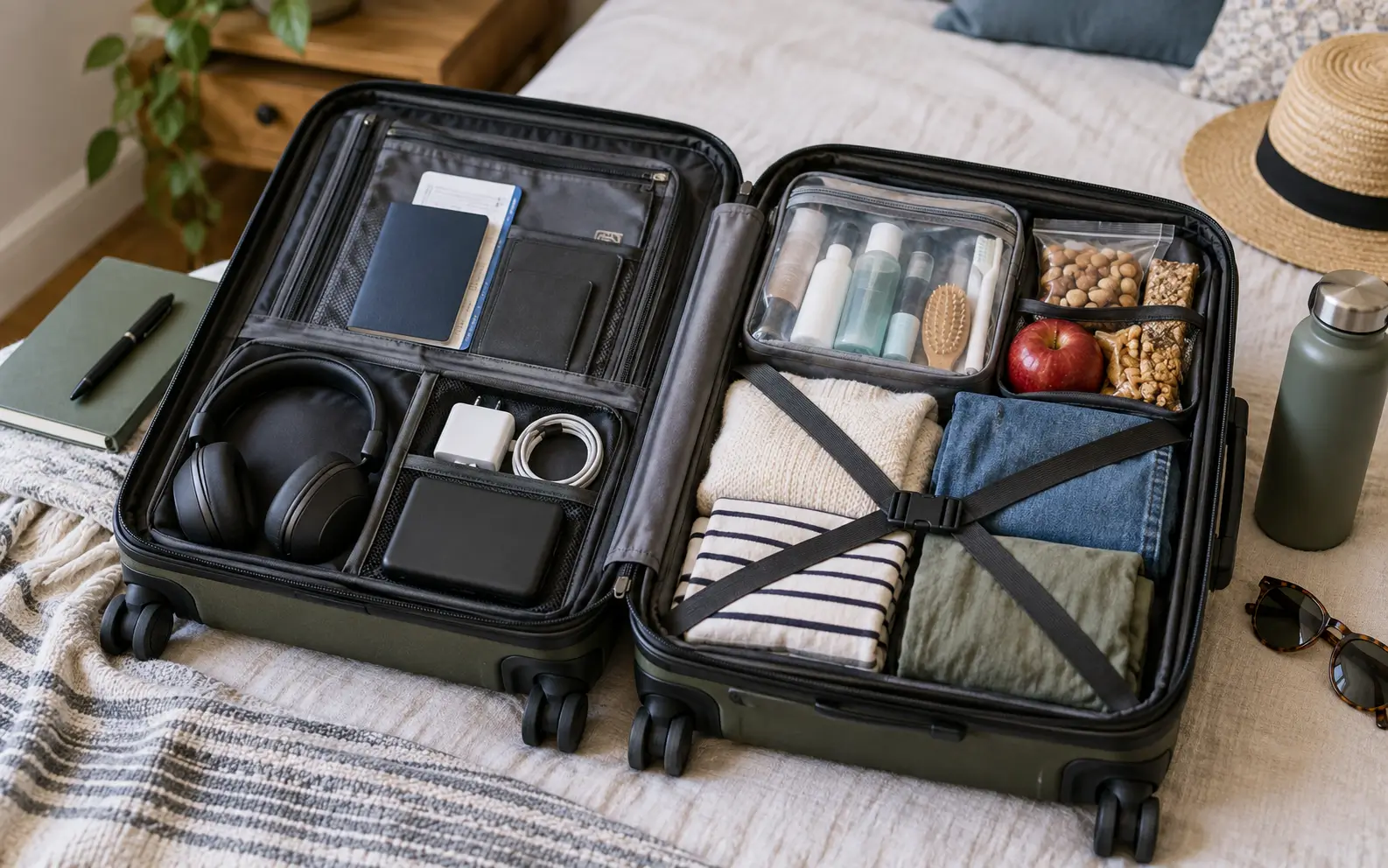
One mistake I used to make was placing everything into one large compartment.
Every time I needed something, I had to unpack half the bag to find it.
Now I keep similar items together.
For example:
- ✓Documents in one pocket.
- ✓Electronics in a small organizer.
- ✓Chargers in a cable pouch.
- ✓Toiletries in a clear bag.
- ✓Snacks together.
- ✓Important items near the top.
A little organization makes your carry-on much easier to use throughout your journey.
Pack Your Essential Medications
If you take any prescription medication, it should always travel in your carry-on bag.
Never place important medicine in checked luggage.
If your checked suitcase is delayed or lost, you’ll still have access to the medication you need.
Your carry-on medicine pouch may include:
- ✓Prescription medication.
- ✓Pain relievers.
- ✓Allergy medicine.
- ✓Motion sickness tablets.
- ✓Inhalers.
- ✓Medical devices you use regularly.
If you’re traveling internationally, it’s also a good idea to carry prescriptions or medical documentation when appropriate.
Bring a Small Toiletry Kit
A compact toiletry kit can make long flights and airport layovers much more comfortable.
Keep it simple by packing only the essentials you’ll likely use during your journey.
For example:
- ✓Toothbrush.
- ✓Small toothpaste.
- ✓Lip balm.
- ✓Hand sanitizer.
- ✓Facial tissues.
- ✓Wet wipes.
- ✓Moisturizer.
- ✓Deodorant.
If you’re flying, remember that many countries limit the size and quantity of liquids allowed in carry-on luggage, so always check your airline’s latest requirements before traveling.
Pack One Change of Clothes
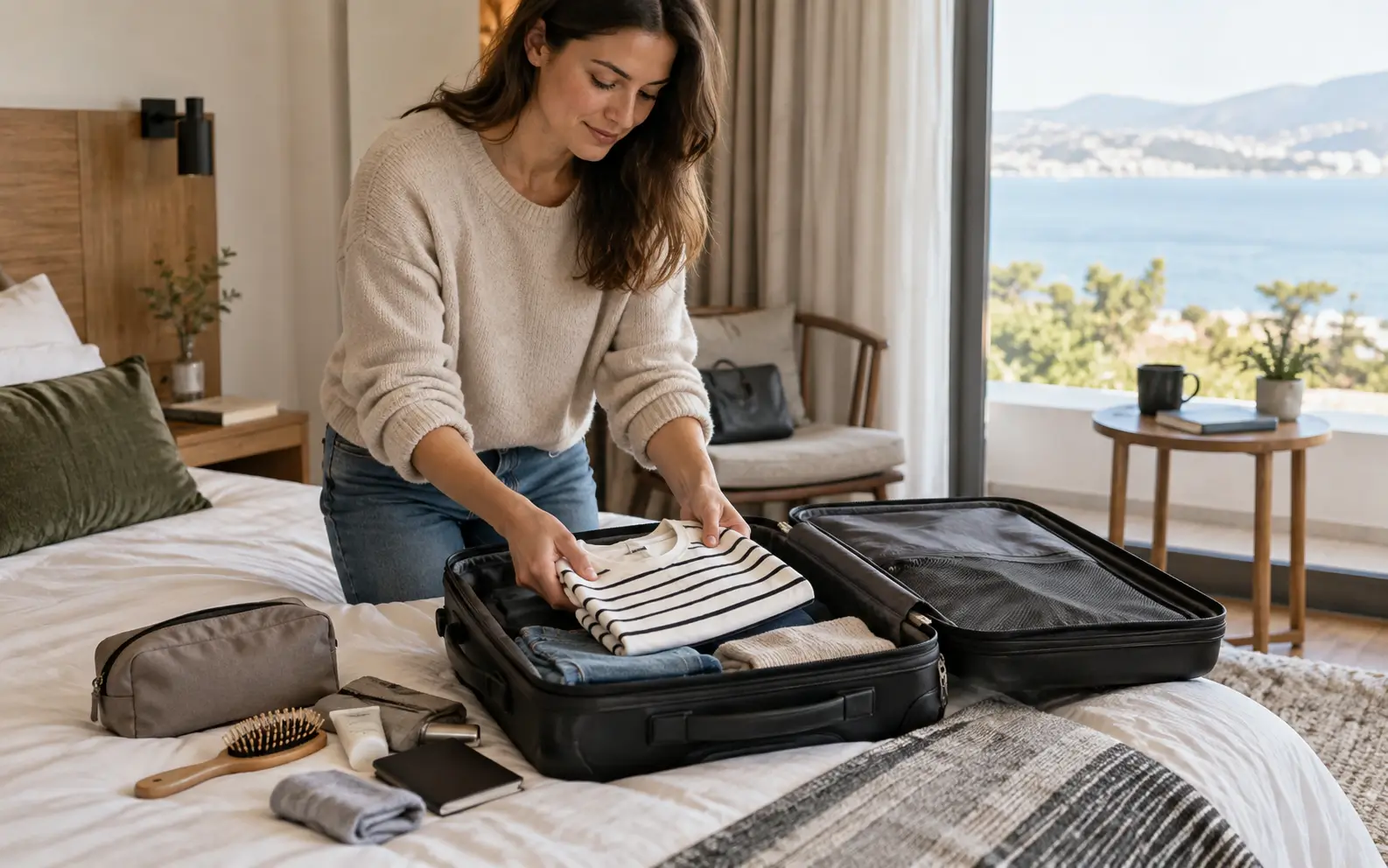
One item I’ve never skipped since my delayed luggage experience is a complete change of clothes.
Even if everything goes according to plan, having fresh clothing can be useful after a long flight or unexpected overnight delay.
A simple spare outfit may include:
- ✓T-shirt or shirt.
- ✓Underwear.
- ✓Socks.
- ✓Lightweight trousers or shorts.
You don’t need a full wardrobe—just enough to stay comfortable until you can access the rest of your luggage.
Carry Your Important Electronics
Besides your phone, there may be other electronics you’ll want to keep with you.
Common examples include:
- ✓Laptop.
- ✓Tablet.
- ✓E-reader.
- ✓Camera.
- ✓Wireless earbuds or headphones.
- ✓Smartwatch charger.
- ✓Portable SSD or USB drive.
Keeping electronics in your carry-on reduces the risk of damage and allows you to use them whenever needed during your journey.
Bring Snacks for the Journey
Flights, train rides, and long road trips don’t always match your meal schedule.
Packing a few snacks can help you stay comfortable between meals.
Good travel-friendly options include:
- ✓Granola bars.
- ✓Mixed nuts.
- ✓Crackers.
- ✓Dried fruit.
- ✓Protein bars.
- ✓Individually wrapped biscuits.
Choose snacks that travel well and don’t require refrigeration.
Carry an Empty Reusable Water Bottle
Staying hydrated while traveling is important.
Instead of buying multiple plastic bottles during your journey, consider bringing a reusable water bottle.
For air travel, keep it empty while passing through airport security, then refill it at a drinking fountain or water station once you’re inside the departure area.
This saves money and helps reduce single-use plastic waste.
Pack Something for Entertainment
Travel delays and long flights often involve waiting.
A few entertainment items can make the journey much more enjoyable.
Depending on your preferences, you might bring:
- ✓A book.
- ✓E-reader.
- ✓Tablet.
- ✓Downloaded movies or TV shows.
- ✓Music playlists.
- ✓Podcasts.
- ✓Puzzle book.
- ✓Travel journal.
Downloading entertainment before you leave is helpful in case Wi-Fi isn’t available during your trip.
Adjust Your Carry-On for Family Travel
If you’re traveling with children, your carry-on may need a few additional essentials.
Depending on your child’s age, consider packing:
- ✓Baby formula or snacks.
- ✓Diapers.
- ✓Baby wipes.
- ✓Extra clothing.
- ✓Small toys.
- ✓Blanket.
- ✓Children’s medication.
Keeping these items within easy reach can make the journey much more comfortable for both parents and children.
Organize Your Carry-On Like a Travel Kit
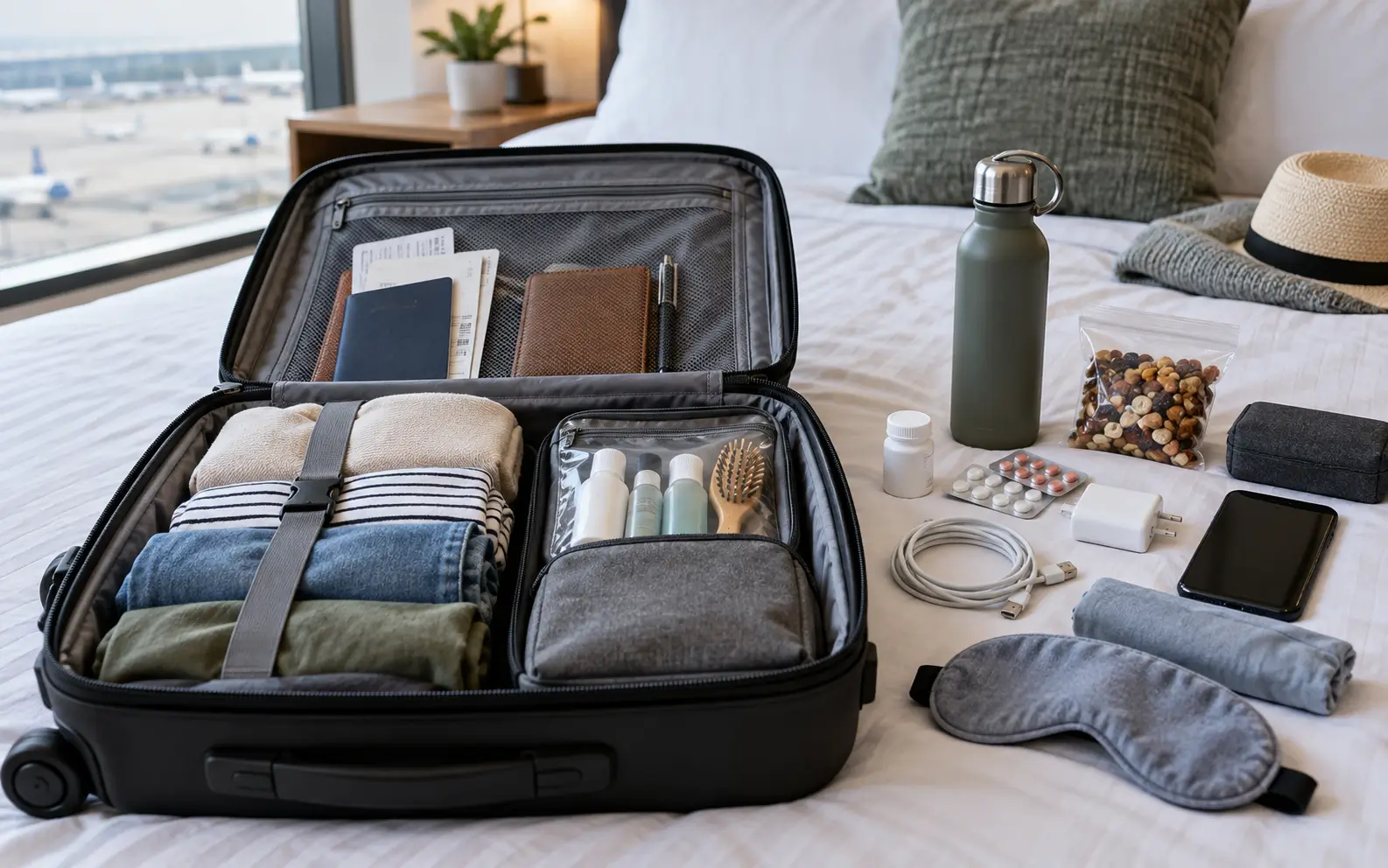
A well-organized carry-on saves time throughout your journey.
Instead of placing everything loosely inside your bag, group similar items together.
For example:
- ✓Documents together.
- ✓Electronics in one organizer.
- ✓Toiletries in a clear pouch.
- ✓Medicines in a separate case.
- ✓Snacks in one compartment.
- ✓Chargers stored in a cable organizer.
When everything has its own place, you’ll spend less time searching for items at airport security, during the flight, or after landing.
What Not to Pack in Your Carry-On?
Packing your carry-on isn’t only about knowing what to bring—it’s also about knowing what should stay out of your cabin bag.
Certain items may be restricted by airlines or airport security, while others simply take up valuable space without being useful during your journey.
Common items you should avoid packing in your carry-on include:
- ✓Large liquid containers that exceed airline limits.
- ✓Sharp objects that may not be allowed through security.
- ✓Heavy tools or equipment.
- ✓Large bottles of toiletries.
- ✓Bulky clothing you won’t use during the journey.
- ✓Items that can easily be packed in checked luggage instead.
Before every trip, check your airline’s latest carry-on policies, as rules can vary depending on the airline and destination.
Don’t Overfill Your Carry-On
One of the biggest mistakes travelers make is trying to fit too much into their cabin bag.
An overpacked carry-on can:
- ✓Become difficult to lift.
- ✓Be harder to organize.
- ✓Slow you down at airport security.
- ✓Leave no room for items you use during the flight.
I’ve found that leaving a little extra space is much more practical than squeezing every available inch. It also gives you room for small purchases you might make before boarding.
Common Carry-On Packing Mistakes
Even experienced travelers sometimes make simple mistakes when packing their cabin bag.
Some of the most common include:
- ✓Packing important documents deep inside the bag.
- ✓Forgetting chargers or charging cables.
- ✓Carrying full-sized toiletries instead of travel-sized ones.
- ✓Packing valuable electronics in checked luggage.
- ✓Bringing too many unnecessary “just in case” items.
- ✓Ignoring airline baggage rules.
- ✓Forgetting to charge devices before leaving home.
- ✓Packing without checking the weather at your destination.
Most of these mistakes are easy to avoid with a little planning.
Carry-On Packing Checklist
Before leaving for the airport, use this quick checklist to make sure your cabin bag includes the essentials.
Travel Essentials
- ✓Passport or ID.
- ✓Boarding pass.
- ✓Wallet.
- ✓Credit or debit cards.
- ✓Emergency cash.
Electronics
- ✓Smartphone.
- ✓Phone charger.
- ✓Charging cable.
- ✓Power bank.
- ✓Laptop or tablet (if needed).
- ✓Headphones or earbuds.
Health & Comfort
- ✓Prescription medication.
- ✓Small toiletry kit.
- ✓Lip balm.
- ✓Hand sanitizer.
- ✓Tissues or wet wipes.
Clothing
- ✓One change of clothes.
- ✓Extra underwear.
- ✓Extra socks.
- ✓Lightweight sweater or jacket.
Food & Extras
- ✓Reusable water bottle.
- ✓Snacks.
- ✓Book or e-reader.
- ✓Travel pillow (optional).
- ✓Pen for travel forms if required.
Using a checklist before every trip helps ensure you don’t forget the items you’ll need most during your journey.
When Should You Use Checked Luggage?
Your carry-on should contain the essentials for your journey, but it isn’t designed to hold everything.
Bulky clothing, additional shoes, large toiletries, gifts, and other non-essential belongings are usually better packed in your checked suitcase.
If you’re unsure how to organize the rest of your belongings, our Checked Luggage Packing Guide ↗ explains what belongs in checked baggage and how to pack it efficiently without wasting space.
Frequently Asked Questions
Your carry-on should always include travel documents, your wallet, medications, valuable electronics, chargers, a phone, and anything you’ll need during your journey or shortly after arriving at your destination.
Yes. A lightweight change of clothes can be very helpful if your checked luggage is delayed or if your journey takes longer than expected.
Yes. Electronics such as smartphones, laptops, tablets, cameras, and headphones are generally best kept in your carry-on where they remain protected and easily accessible.
Many airlines allow power banks in carry-on luggage, but they are often not permitted in checked baggage. Always check your airline’s latest rules before traveling.
The allowed weight depends on your airline. Always review your airline’s baggage policy before packing to ensure your carry-on meets the required size and weight limits.
Final Thoughts
I’ve learned that a well-packed carry-on bag provides much more than convenience—it gives peace of mind throughout the journey. Knowing that my important documents, medications, electronics, and a few essential personal items are always within reach makes traveling much less stressful, especially when unexpected delays happen.
Use this guide as your go-to checklist before every trip. A carefully packed carry-on helps you stay organized, comfortable, and prepared from departure to arrival. Once your cabin bag is ready, you can focus on packing the rest of your belongings into your checked luggage with confidence.

Adnan Ahmed
RoamPlans AuthorTravel Planning Researcher & Editor
Adnan Ahmed is the travel planning researcher and editor behind RoamPlans. He creates clear, practical guides to help travelers compare destinations, plan routes, estimate costs, and avoid common trip-planning mistakes. His work combines careful source research, official travel information, and regular content reviews to keep each guide useful and current.
- ✓Destination Research
- ✓Budget Planning
- ✓Route Planning
- ✓Beginner Travel Guides


Turn This Guide into a Practical Trip Plan
Use the recommended Free Packing List Generator or explore more free RoamPlans tools.