Visa-Free vs Visa on Arrival: What’s the Difference?
Seeing the words visa-free can make a trip sound simple, while visa on arrival can sound almost ↗ the same. But visa-free and visa on arrival are different entry methods, and the difference can affect what you need to do before you travel.
Visa-free travel means an eligible traveler can enter without receiving a visa for that visit. A visa on arrival means the traveler still needs and receives a visa, but it is issued at an approved airport, land border, seaport, or other entry point. In short: visa-free entry is a visa exemption; visa on arrival is a visa issued after you arrive.
There are also two other terms beginners often see: eVisa and electronic travel authorization, such as an ETA or ESTA. These can look similar because they may all involve online forms, but they do different jobs.
I check these terms carefully before booking because the difference can affect whether you need to apply before leaving home, pay a fee, carry extra documents, use a certain airport, or get online approval before the airline lets you board.
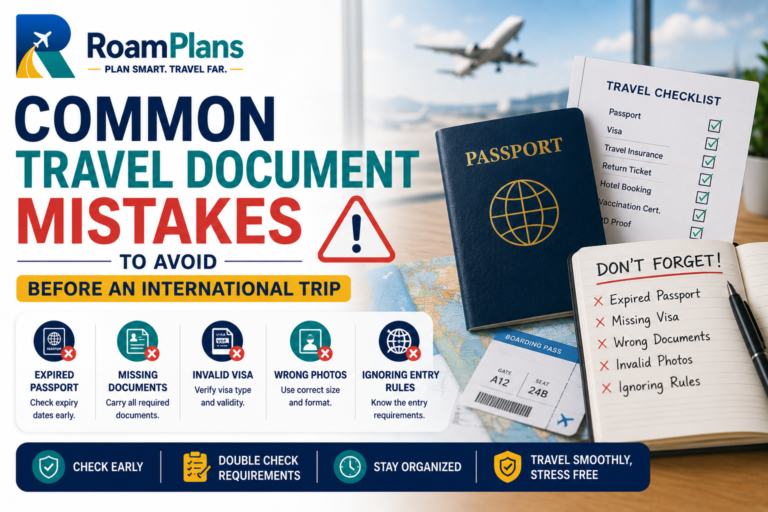
Before relying on either option, review the destination’s current rules together with your passport requirements ↗. If neither option applies, the broader travel visa guide ↗ explains when a traditional visa may be required. For U.S. travelers, the State Department recommends checking current entry and visa requirements for every destination before travel. Requirements can change based on nationality, trip purpose, length of stay, and route.
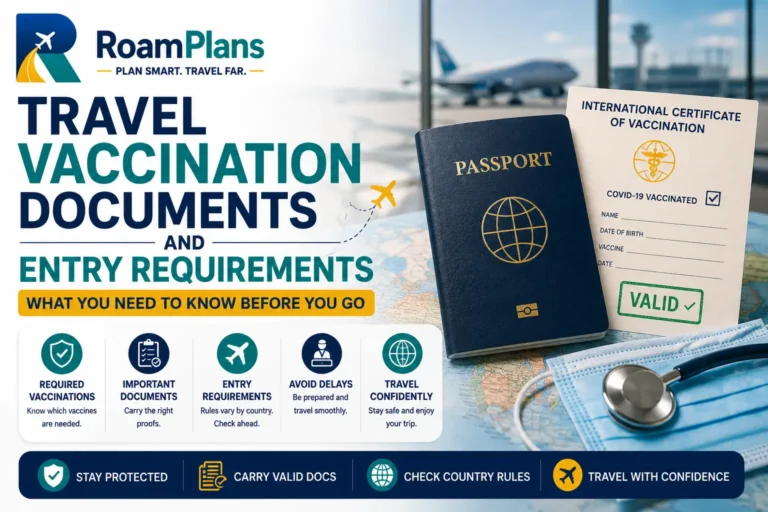
Visa-free status, visa-on-arrival eligibility, eVisa access, and electronic authorization rules can change. Always confirm current requirements through the destination country’s official immigration, embassy, or government website before traveling.
Key Takeaways
-
✓Visa-free usually means you do not need to obtain a traditional visa for an eligible short visit.
-
✓Visa on arrival means you still receive a visa, but normally after reaching an approved airport, land border, or other entry point.
-
✓An eVisa is a visa applied for electronically before travel.
-
✓An ETA, eTA, or ESTA is generally a pre-travel authorization rather than a traditional visa.
-
✓Visa-free does not mean you can arrive without checking entry rules.
-
✓Passport validity, permitted stay, onward travel, accommodation, funds, and arrival forms may still apply.
-
✓Some visa-free travelers must get electronic authorization before boarding. The U.S. Visa Waiver Program, for example, requires ESTA approval for eligible travelers using the program.
-
✓Visa-on-arrival eligibility can depend on nationality, entry point, passport validity, trip purpose, and other conditions.
-
✓An eVisa and visa on arrival may lead to similar short-stay permission but use different application processes.
-
✓Always check what happens before departure, at arrival, and during your stay.
What Is the Main Difference Between Visa-Free and Visa on Arrival?

The easiest way to separate them is to ask one question:
Does the destination issue you a visa for this trip?
With visa-free travel, the answer is generally no.
You enter under a visa-exemption rule available to eligible travelers.
With a visa on arrival, the answer is yes.
You still need a visa, but instead of completing the normal visa process before departure, you obtain it at an approved entry point.
Here is the basic difference:
| Entry Method | Traditional Visa Needed? | Usually Handled Before Travel? | Approval at Border? |
|---|---|---|---|
| Visa-Free | No | Usually no visa application | Entry still checked |
| Visa on Arrival | Yes | Usually limited preparation | Visa issued on arrival |
| eVisa | Yes | Yes | Visa already approved |
| ETA / ESTA | No traditional visa | Yes | Entry still checked |
This is a planning comparison rather than a universal legal rule. Every country can set its own system and conditions.
What Does Visa-Free Travel Mean?
Visa-free travel means an eligible traveler can visit a country without applying for a traditional visa for that particular trip.
Eligibility usually depends on factors such as:
-
✓Nationality
-
✓Passport held
-
✓Reason for travel
-
✓Length of stay
-
✓Travel history in some cases
-
✓Entry conditions
For example, current State Department guidance says U.S. citizens may enter Italy for tourism or business for up to 90 days without a tourist or business visa.
Singapore provides another current example. State Department destination information says U.S. travelers do not need a visa for visits of 90 days or less, while other entry requirements still apply.
This shows what visa-free really means:
No traditional visa does not mean no entry conditions.
Does Visa-Free Mean a Free Visa?
No. Visa-free means an eligible traveler does not receive or need a visa for the permitted visit. A free visa or gratis visa is different: it can mean a visa is issued without a visa fee. Always check the official wording because a visa exemption and a fee-free visa are not the same entry arrangement.
Visa-Free Does Not Mean Document-Free
This is probably the biggest misunderstanding around visa-free travel.
A country may allow you to enter without a traditional visa but still require several other things.
These can include:
-
✓Valid passport
-
✓Minimum remaining passport validity
-
✓Blank passport pages
-
✓Electronic travel authorization
-
✓Arrival form
-
✓Return or onward ticket
-
✓Accommodation details
-
✓Proof of funds
-
✓Health documents
-
✓Customs declaration
-
✓Proof of travel purpose
Singapore, for example, currently requires U.S. travelers to meet passport requirements and complete the Singapore Arrival Card even though a tourist visa is not required for stays of 90 days or less.
That is why I never stop my research after seeing:
Tour ist visa required: No.
I continue checking the rest of the destination’s entry requirements.
Can Visa-Free Travelers Still Need Online Approval?
Yes.
This is where electronic travel authorizations create confusion.
A country can let certain travelers visit without a visa while still requiring them to receive electronic permission before traveling.
U.S. ESTA Example
The U.S. Visa Waiver Program allows eligible citizens or nationals of participating countries to travel to the United States for tourism or business for stays of up to 90 days without obtaining a visitor visa.
However, eligible travelers using the Visa Waiver Program must have approved ESTA authorization before traveling by covered air or sea transport.
So the traveler is:
Visa-free, but not autho rization-free.
UK ETA Example
The UK currently uses a similar idea through its Electronic Travel Authorisation system.
Most visitors need either an ETA or a visa depending on factors such as nationality and reason for travel. Current UK guidance says travelers from countries including the United States, Canada, Australia, and many European countries will usually need an ETA rather than a visa for eligible visits.
The UK’s ETA system has been enforced for affected visitors since February 2026, meaning travelers who need an ETA generally need that permission before traveling unless an exemption applies.
This is why you should never use:
visa-free = just bring a passport
as a general rule.
What Is a Visa on Arrival?
A visa on arrival, often shortened to VOA, is a visa issued to an eligible traveler after reaching an approved point of entry.
Instead of completing the full visa process through an embassy before the trip, you normally complete the remaining visa steps at:
-
✓International airport
-
✓Land border
-
✓Seaport
-
✓Other approved immigration point
Depending on the destination, the process may involve:
-
1Arriving at the approved entry point.
-
2Going to a visa-on-arrival counter or immigration desk.
-
3Presenting your passport.
-
4Providing required supporting information.
-
5Paying the visa fee.
-
6Receiving the visa or entry permission.
-
7Continuing to immigration inspection.
The exact process varies by country.
Visa on Arrival Does Not Mean Guaranteed Entry
The phrase visa on arrival can sound as if every eligible traveler simply walks up to a counter and receives a visa automatically.
Do not treat it that way.
Eligibility may depend on:
-
✓Your nationality
-
✓Passport type
-
✓Passport validity
-
✓Reason for travel
-
✓Entry point
-
✓Length of stay
-
✓Return or onward travel
-
✓Funds
-
✓Accommodation
-
✓Other destination-specific conditions
Immigration authorities still decide whether you meet the conditions.
Even after receiving a visa, border officers can still carry out normal immigration checks.
Indonesia as a Visa-on-Arrival Example
Indonesia provides a useful current example because it offers eligible travelers a visa-on-arrival system along with an electronic version.
Indonesia’s official immigration portal currently lists a visitor visa option allowing an eligible stay of up to 30 days, with the possibility of extending it for another 30 days under the relevant conditions. The listed fee is IDR 500,000.
The official Indonesian immigration portal also explains that its electronic visitor visa can be obtained online and serves as an alternative to obtaining the visa at the port of entry.
This gives us a useful real-world comparison:
Visa on arrival: obtain the eligible visa when you reach Indonesia.
Electronic VOA/eVisa route: complete the relevant process online before traveling.
The stay permission may be similar, but the traveler completes the visa step at a different point.
Do You Need to Prepare Anything for a Visa on Arrival?
Usually, yes.
Never read “visa on arrival” as “no preparation required.”
Depending on the country, you may need:
-
✓Passport with enough remaining validity
-
✓Blank passport page
-
✓Visa fee
-
✓Passport photo
-
✓Return or onward ticket
-
✓Accommodation address
-
✓Proof of funds
-
✓Arrival form
-
✓Supporting documents
-
✓Correct currency or payment method
You may also have to arrive through an entry point that actually issues that visa.
This last point matters.
A country may offer visa on arrival at major international airports but not at every small land border or port.
Check the specific border you plan to use.
What Is an eVisa?
An eVisa is still a visa.
The main difference is how you apply for and receive it.
Instead of getting a visa sticker through an embassy or waiting until arrival, eligible travelers normally submit information through an official online system before departure.
An eVisa application may ask for:
-
✓Passport information
-
✓Digital passport photo
-
✓Travel dates
-
✓Accommodation
-
✓Contact details
-
✓Travel purpose
-
✓Supporting documents
-
✓Application fee
After approval, the visa may be electronically linked to your passport or issued as a downloadable confirmation.
India, for example, currently allows eligible travelers to use an e-Tourist visa, while its entry conditions and permitted arrival points still need to be followed. State Department guidance for India specifically notes that e-Tourist visas are accepted through designated international airports and seaports.
eVisa vs Visa on Arrival

The difference is mainly when the visa process happens.
eVisa
You normally:
Apply → receive approval → travel → show or use approval at the border
Visa on Arrival
You normally:
Travel → reach approved border → apply or complete visa process → receive visa → enter
For many travelers, an eVisa can reduce uncertainty because the visa decision or approval happens before departure.
A visa on arrival can involve less advance paperwork, but you may still need to prove eligibility after reaching the destination.
Neither option is automatically better for every trip.
Is an ETA the Same as an eVisa?
No.
They may both be completed online, but they are usually different forms of travel permission.
An eVisa is a visa issued electronically.
An ETA or similar authorization is norm ally permission for an eligible visa-exempt traveler to travel without obtaining a traditional visa.
The United States provides a clear example through ESTA. Travelers using the Visa Waiver Program still travel without a visa, but they must receive ESTA authorization before eligible travel.
The UK follows the same general idea with its ETA system. Current UK guidance says travelers who already have a UK visa do not need an ETA, which shows that the two documents serve different groups.
A simple way to think about it is:
eVisa = visa in electronic form
ETA/ESTA = pre-travel authorization for certain travelers who do not need a traditional visa
Visa-Free vs ETA: Are They the Same?
Not exactly.
Visa-free describes your visa status.
An ETA describes an additiona l authorization requirement that may apply to a visa-free traveler.
You can therefore be:
Visa-free + ETA required
or:
Visa-free + no ETA required
depending on the country.
For example, eligible Visa Waiver Program travelers to the United States are visa-free for qualifying trips but need ESTA approval.
This distinction is becoming more useful for beginners because more destinations use electronic pre-travel screening systems.
Visa-Free vs Visa on Arrival Comparison
Here is a closer comparison.
| Question | Visa-Free | Visa on Arrival |
|---|---|---|
| Do you receive a visa? | Usually no | Yes |
| Where is the entry method completed? | At border inspection, after any required pre-travel authorization | At an approved airport, land border, seaport, or other entry point |
| Apply for traditional visa before travel? | No | Usually no |
| Main preparation | Confirm exemption, permitted stay, passport rules, and any ETA or arrival form | Confirm eligibility, approved entry point, documents, fee, payment method, and permitted stay |
| May online authorization still be required? | Yes | Sometimes separate rules may apply |
| Visa fee? | Usually no visa fee, but authorization fees may apply | Often |
| Border document check? | Yes | Yes |
| Passport rules apply? | Yes | Yes |
| Stay limit applies? | Yes | Yes |
| Work normally allowed? | Usually no under tourist entry | Usually no under tourist VOA |
| Entry guaranteed? | No | No |
| Possible processing after arrival? | Normal immigration inspection | Visa issuance plus immigration inspection, which may add waiting time |
| Nationality affects eligibility? | Yes | Yes |
The main difference between visa-free travel and visa on arrival is when and whether a visa is issued. With visa-free entry, an eligible traveler does not receive a visa for the permitted stay. With visa on arrival, the traveler still receives a visa, but it is issued at an approved entry point after arrival.
Visa-free travelers enter under an exemption. Visa-on-arrival travelers receive a visa at the border.
Which Is Easier: Visa-Free or Visa on Arrival?
From a planning point of view, visa-free entry is often simpler because there is no traditional visa application or visa-on-arrival process.
But that does not always mean less preparation.
A visa-free traveler may still need to complete:
-
✓ETA
-
✓ESTA
-
✓Arrival card
-
✓Health form
-
✓Customs form
-
✓Other electronic entry registration
The UK ETA and U.S. ESTA systems show how a visa-exempt traveler may still need advance authorization.
A visa-on-arrival traveler, on the other hand, may need to prepare more documents and pay a visa fee after reaching the destination.
The better question is therefore not:
Which system is easiest?
Ask:
What does my specific destination require from me befor e departure and at arrival?
Your Passport Nationality Changes the Answer
Visa rules are normally based heavily on the passport you use.
Two friends traveling together can face completely different entry systems.
One may be:
Visa-free
while another may need:
Visa on arrival
and a third may need:
eVisa or traditional visa before departure.
This is why generic country lists can mislead travelers.
Never search only:
Is Thailand visa-free?
or:
Does Indonesia offer visa on arrival?
Add your nationality to the question:
What are the tourist entry requirements for a U.S. passport holder traveling to this country?
For U.S. citizens, State Department destination pages provide current passport, visa, and entry information for individual countries.
Your Reason for Travel Also Matters
Visa-free and visa-on-arrival programs are commonly built around short visits such as tourism or approved business activities.
They do not usually give unlimited permission to:
-
✓Work
-
✓Move permanently
-
✓Study long term
-
✓Stay beyond the permitted period
-
✓Carry out any activity you choose
The U.S. Visa Waiver Program, for example, covers eligible tourism and business visits of 90 days or less, while other travel purposes may require another visa category.
Indonesia’s current visitor-visa information similarly lists permitted activities and specifically restricts employment under the relevant short-stay visa.
Always check whether your planned activity fits the entry permission.
Length of Stay Matters Too
Visa-free does not mean you can stay as long as you want.
Visa on arrival does not mean the visa lasts indefinitely.
Every entry method can have a stay limit.
Examples from current official guidance show how different these limits can be:
-
✓Eligible U.S. Visa Waiver Program travelers can visit for up to 90 days.
-
✓U.S. citizens can currently visit Italy for tourism or business for up to 90 days without a visa.
-
✓Indonesia’s current short visitor visa option can allow an initial stay of up to 30 days, with an eligible extension for another 30 days.
Do not compare only whether a visa is required.
Also compare:
How long can I stay?
Visa Validity and Permitted Stay Are Different
This matters especially with eVisas and visas on arrival.
A visa may need to be used within a certain period, while the amount of time you can actually remain after entry can be shorter.
Indonesia’s official eVisa guidance specifically tells travelers that the visa validity period can be different from the permitted period of stay.
So check both:
When must I enter?
and
How long may I remain after entering?
Do not use the visa expiration date alone to calculate how long you can stay.
How to Check Which Entry Option Applies to You

Do not choose between visa-free travel, visa on arrival, eVisa, or an ETA based on a general country list.
Check your own situation.
The answer can change based on:
-
✓Passport nationality
-
✓Passport type
-
✓Destination
-
✓Reason for travel
-
✓Length of stay
-
✓Transit countries
-
✓Entry point
-
✓Previous travel or immigration history in some cases
For U.S. travelers, the U.S. Department of State publishes destination pages showing current passport and tourist visa requirements. The destination country’s own immigration or embassy website should then be used to confirm the exact entry process.
Step 1: Start With the Passport You Will Use
Visa rules normally depend on nationality and the travel document you present.
If you have more than one nationality, do not simply check:
Can Americans enter visa- free?
Check the rules for the exact passport you plan to use.
Your passport can affect whether you qualify for:
-
✓Visa-free travel
-
✓Visa on arrival
-
✓eVisa
-
✓ETA
-
✓Traditional visa
It can also affect how long you may stay.
Step 2: Check Your Reason for Travel
Tourist entry rules may not apply if you plan to:
-
✓Work
-
✓Study
-
✓Move permanently
-
✓Stay for a long period
-
✓Carry out activities outside normal visitor rules
A traveler who qualifies for visa-free tourism may still need another immigration permission for work or study.
Keep this article focused on short international visits such as tourism and other activities allowed under visitor status.
Step 3: Check Your Length of Stay
A country may allow visa-free entry for a short visit but require a visa for a longer stay.
For example, Japan currently allows U.S. passport holders to visit visa-free for tourism or business for stays of up to 90 days.
That does not mean the same traveler can stay beyond the permitted period without another form of permission.
Always check:
How long can I stay under this entry method?
Step 4: Check Your Full Route
Do not stop at the final destination.
Look at:
-
✓Every connecting country
-
✓Whether you stay inside the transit area
-
✓Whether you collect baggage
-
✓Whether you change airports
-
✓Whether you leave the airport
-
✓Whether your flights are on separate tickets
Transit rules can be different from normal tourist-entry rules.
Step 5: Check What Must Be Done Before Departure
Even if no traditional visa is required, you may still need:
-
✓ETA
-
✓ESTA
-
✓Online arrival card
-
✓Health declaration
-
✓Customs registration
-
✓Other pre-travel approval
The UK currently requires many visa-exempt visitors, including eligible U.S. citizens, to obtain an ETA before travel. From February 25, 2026, affected travelers generally cannot travel to the UK without the required advance permission unless an exemption applies.
So the final question should always be:
What must I complete before my airline lets me travel?
Passport Requirements Still Apply to Visa-Free Travel
Visa-free entry does not remove passport rules.
You may still need to meet requirements for:
-
✓Remaining passport validity
-
✓Blank pages
-
✓Passport condition
-
✓Passport type
-
✓Electronic passport features in some programs
These requirements can vary greatly.
For example, U.S. travel guidance for Japan says a passport must be valid for the duration of the stay, while current guidance for Indonesia says U.S. travelers need six months of passport validity beyond arrival and two blank pages.
This is why a general statement such as:
Your passport always needs six months
is not reliable for every destination.
Check the actual country rule.
The RoamPlans guide Passport Requirements for International Travel explains passport validity, blank pages, damage, children, and transit rules in more detail.
Passport Requirements Also Apply to Visa on Arrival
A visa-on-arrival program normally has its own passport conditions.
Indonesia’s current official visitor-visa guidance, for example, requires an eligible traveler to present a passport with at least six months of validity.
A traveler who qualifies by nationality could still have trouble if the passport itself does not meet the rule.
Before depending on visa on arrival, check:
-
✓Passport validity
-
✓Blank pages
-
✓Passport damage
-
✓Eligible nationality
-
✓Approved entry point
-
✓Stay period
Eligibility is more than having the right nationality.
Do Visa-Free Travelers Need a Return or Onward Ticket?
Sometimes.
A destination may want evidence that you plan to leave before your permitted stay ends.
For example, current U.S. travel guidance for Japan says travelers on visa-free tourist or business stays should have proof of a return or onward ticket.
Costa Rica’s current entry guidance also lists a return ticket or proof of onward travel among its general entry requirements.
This could be:
-
✓Return flight home
-
✓Flight to another country
-
✓International bus ticket
-
✓Train reservation
-
✓Other accepted evidence that you will leave
Do not assume every destination asks for it, but keep the confirmation easy to access when the rule applies.
Do Visa-on-Arrival Travelers Need an Onward Ticket?
They may.
Indonesia’s official electronic visitor visa guidance currently lists an outbound transportation ticket among the documents travelers must be prepared to present at the immigration checkpoint. Its official portal also advises travelers to have a return ticket available because immigration officers may ask for it.
This shows why visa on arrival should not be treated as:
Arrive with passport and nothing else.
Check supporting document requirements before leaving home.
Can You Be Asked for Proof of Funds?
Yes, depending on the destination.
A visa exemption or visa on arrival does not remove a country’s right to check whether a visitor appears able to support the trip.
Hong Kong’s Immigration Department, for example, says visitors should have adequate funds for their stay and, unless they are transiting onward to specified destinations, should hold onward or return tickets.
Indonesia’s current visitor-visa conditions also state that the traveler must be financially sufficient during the stay.
Possible evidence can include:
-
✓Bank card
-
✓Cash
-
✓Bank information where specifically required
-
✓Proof of prepaid accommodation
-
✓Sponsorship evidence where accepted
Do not carry large amounts of sensitive financial paperwork unless your destination asks for it.
Check what the country actually requires.
Can Immigration Ask Where You Are Staying?
Yes.
Even visa-free travelers can be asked about their accommodation or travel plans.
Keep at least the first accommodation details available.
That may include:
-
✓Hotel name
-
✓Address
-
✓Booking confirmation
-
✓Host’s address
-
✓Host’s contact information
Arrival forms may also ask for this information.
I prefer saving the first hotel address offline because mobile data may not work immediately after landing.
Entry Points Can Affect Visa-on-Arrival Eligibility
This is an easy detail to miss.
A country may offer visa on arrival without offering it at every border crossing.
Depending on the destination, eligibility may be limited to selected:
-
✓International airports
-
✓Land borders
-
✓Seaports
The Indonesian government’s official eVisa information specifically directs travelers to check whether their chosen arrival point supports the relevant visa process. Its guidance also distinguishes electronic visitor visa use from visa on arrival at the port of entry.
Before booking a less common border crossing, ask:
Can I actually use my planned entry method at this airport or border?
This matters more on:
-
✓Overland trips
-
✓Island routes
-
✓Cruises
-
✓Multi-country backpacking trips
-
✓Smaller regional airports
Do not assume that because the country’s main international airport offers visa on arrival, every border does.
Check the Exit Rules Too
Travelers usually focus on entering a country.
You also need to know how and when you must leave.
Check:
-
✓Maximum permitted stay
-
✓Whether extensions are possible
-
✓Whether you must leave through an approved point
-
✓Whether an exit tax or process applies
-
✓Whether the stay is counted by calendar days
-
✓Whether the arrival day counts
Use the destination’s immigration rules when calculating the final date.
Do not guess.
Visa-Free Travel Can Still Have a Fee
Visa-free does not always mean free of all entry-related charges.
The traveler may not pay for a visa, but another required authorization can have a fee.
For example, the UK’s ETA currently costs £20. It is an electronic travel authorization rather than a traditional visa.
So separate these questions:
Do I need a visa?
and
Do I need to pay for another required tra vel authorization?
They are not the same question.
Visa on Arrival Usually Has a Visa Fee
Many visa-on-arrival systems charge a fee.
Indonesia’s current official visitor visa information lists a fee of IDR 500,000 for the relevant 30-day visitor visa.
Fees can change, so check immediately before travel.
Also check how payment works.
Depending on the country or arrival point, payment might involve:
-
✓Local currency
-
✓Foreign currency
-
✓Credit card
-
✓Debit card
-
✓Online payment
-
✓Cash
Do not assume your normal payment method will be accepted at the border.
Check the Official Website Before Paying Online
Visa and authorization searches can bring up private services that look official.
The UK government warns that other websites may charge more for an ETA and tells travelers to use the official service.
Indonesia’s official immigration portal also warns that many third-party websites claim to help travelers obtain Indonesian visitor visas for additional service charges but are not connected with the Indonesian government.
Before entering passport or card details, check:
-
✓Website domain
-
✓Government branding
-
✓Link from an embassy or immigration website
-
✓Exact fee shown by the government
-
✓Whether a private service fee has been added
For RoamPlans readers, I would always recommend starting from an official government or embassy page rather than clicking the first visa advertisement in search results.
You May Need an Arrival Form Even Without a Visa
Some destinations separate immigration permission from arrival registration.
That means you may be visa-free but still need to submit an online arrival form.
Indonesia’s official eVisa portal currently states that travelers must submit an arrival card within three days before arrival.
An arrival form may ask for:
-
✓Passport information
-
✓Flight number
-
✓Travel dates
-
✓Accommodation
-
✓Contact details
-
✓Customs information
-
✓Health information where applicable
Do not confuse an arrival form with a visa.
They may be separate requirements.
Complete Time-Sensitive Forms at the Right Time
Some forms cannot be completed months before the trip.
A destination may open an arrival registration only:
-
✓A few days before travel
-
✓Within a set number of hours
-
✓After online check-in
-
✓Shortly before arrival
Add these forms to your final pre-trip document check instead of relying on memory.
A simple travel note can help:
3 days before departure: check arrival form
That reduces the chance of discovering it at airport check-in.
Can an Airline Stop You From Boarding?
Yes, if you do not have travel authorization required before departure.
A clear current example is the UK ETA system. The UK government says affected visitors without the required ETA cannot board their transport to the UK unless an exemption applies.
This explains why visa-free eligibility alone is not enough.
Before departure, an airline may need to see or electronically confirm that you meet the destination’s pre-travel requirements.
Depending on the route, that can involve:
-
✓Passport
-
✓Visa
-
✓eVisa
-
✓ETA
-
✓ESTA
-
✓Other required authorization
Do not plan to fix a missing pre-travel authorization after landing if the airline requires it before boarding.
Does an ETA Guarantee Entry?
No.
An ETA generally gives an eligible traveler permission to travel under that system. Border authorities still control admission.
The UK describes its ETA as digital permission to travel rather than a guarantee that a person can enter and stay without normal border checks.
This is similar to the wider principle we covered in the Beginner’s Guide to Travel Visas:
Trav el authorization and final admission are not always the same decision.
Keep your normal supporting travel information ready.
Does Visa-Free Status Guarantee Entry?
No.
Visa-free status means an eligible traveler does not need the normal visa for the covered visit.
Immigration authorities can still check whether you meet the conditions.
Hong Kong’s Immigration Department specifically states that even travelers who meet its listed immigration requirements should not assume automatic entry, because immigration authorities retain the right to refuse permission to land.
This same planning principle applies widely:
Eligibility gets you to the border. Border requirements still matter.
Does Visa on Arrival Guarantee Entry?
No.
Indonesia’s official immigration portal directly states that issuance of its electronic visitor visa does not guarantee entry and that immigration officers at the port of entry retain the decision on admission.
With a normal visa-on-arrival process, eligibility also does not mean you can ignore:
-
✓Passport rules
-
✓Travel purpose
-
✓Stay limits
-
✓Supporting documents
-
✓Immigration questions
Prepare as if you may be asked to show why your trip fits the visitor rules.
Transit Can Change Which Entry Permission You Need
Connecting flights can make a simple visa question harder.
Ask:
Will I remain airside, or will I actually enter the country?
The answer can depend on your:
-
✓Airport
-
✓Airline
-
✓Baggage
-
✓Ticket type
-
✓Terminal
-
✓Nationality
The UK currently exempts travelers from its ETA requirement when they are transiting through a UK airport without passing through border control, subject to other conditions. UK guidance tells travelers who are unsure whether they will pass border control to check with their airline.
This is a good example of how one airport connection can produce two different document requirements.
Airside Transit
You stay within the international transit area and do not pass immigration.
Some countries may have lighter requirements for this type of connection.
Landside Transit
You pass through border control.
This can happen when you:
-
✓Collect checked bags
-
✓Recheck luggage
-
✓Change airports
-
✓Stay overnight outside the terminal
-
✓Use a self-transfer itinerary
-
✓Have a connection that requires immigration clearance
Once you go landside, normal entry requirements may apply.
Check before booking.
Self-Transfer Flights Need Extra Attention
A self-transfer can look cheap but may create a document problem.
Suppose you book:
Airline A → connection airport → Airline B
on separate tickets.
If the airlines do not transfer your luggage automatically, you may need to:
-
1Pass immigration.
-
2Collect your baggage.
-
3Enter the country.
-
4Check in again.
-
5Pass security again.
That can mean you need permission to enter a country you thought you were only transiting through.
This is one reason I would check visa and transit rules before booking separate-ticket connections.
Can You Extend Visa-Free Entry?
Sometimes, but do not expect it.
Visa-free stays are often limited to a fixed period.
A country may:
-
✓Allow extensions
-
✓Allow them only in certain cases
-
✓Require a different immigration application
-
✓Require you to leave when the visa-free period ends
Hong Kong immigration guidance, for example, says visitors who want to stay longer than the visa-free period allowed for them should apply for the relevant visa or entry permit before traveling.
Check extension rules before planning a long stay.
Do not build a trip around the assumption that immigration will let you add more days later.
Can You Extend a Visa on Arrival?
Sometimes.
This depends on the destination and visa type.
Indonesia’s current visitor visa rules allow the relevant 30-day visitor permission to be extended for another 30 days.
That is a country-specific example, not a general VOA rule.
Other destinations may:
-
✓Allow no extension
-
✓Allow one extension
-
✓Require an immigration-office visit
-
✓Offer online extension
-
✓Require another type of stay permit
Always check before the original permission expires.
Can You Leave and Re-Enter on the Same Visa on Arrival?
Do not assume so.
Many short visitor visas are single entry.
Indonesia’s current official visitor visa is specifically described as single entry. A traveler who leaves cannot simply treat the remaining validity period as permission for another entry under the same visa.
This matters on routes such as:
Indonesia → Singapore → Indonesia
or any itinerary where you leave and return.
Before building a multi-country route, check:
-
✓Single or multiple entry
-
✓Whether a new VOA is available on return
-
✓Whether another fee applies
-
✓Whether you still meet eligibility requirements
What If Your Passport Changes Before the Trip?
Electronic travel permissions are often connected to the passport information used in the application.
If you:
-
✓Renew your passport
-
✓Replace a lost passport
-
✓Replace a damaged passport
-
✓Change nationality documents
recheck every electronic permission connected to the old passport.
This includes:
-
✓eVisa
-
✓ETA
-
✓ESTA
-
✓Other electronic authorizations
Do not assume the approval automatically moves to the new passport number.
Use the issuing country’s official instructions.
What If Visa Rules Change After You Book?
This can happen.
Visa exemptions, ETA systems, fees, permitted stays, and eligible nationalities can change.
The UK’s ETA rollout provides a current example of how entry preparation can change over time. From February 25, 2026, affected visa-exempt travelers generally need ETA permission before traveling to the UK unless exempt.
Because rules can change between booking and departure, I use three checks:
When Booking
Find out the current entry system.
One to Two Weeks Before Travel
Check again for:
-
✓Visa changes
-
✓ETA changes
-
✓New arrival forms
-
✓Passport-rule changes
-
✓Transit changes
A Few Days Before Departure
Complete any time-sensitive forms and confirm that all approvals are still connected to the passport you are carrying.
Do not rely on a screenshot of travel rules saved months earlier.
If Eligibility Changes, Use the New Rule
Suppose a country removes visa-free entry for your nationality after you booked.
Your old eligibility normally does not remain valid simply because the flight was purchased earlier, unless the government specifically provides a transition rule.
The same can happen if:
-
✓Visa on arrival is suspended
-
✓Entry points change
-
✓A new ETA becomes mandatory
-
✓The allowed stay changes
-
✓Your passport nationality becomes subject to another requirement
Check the effective date of the new rule and follow the official instructions.
A Simple Decision Process Before International Travel
Before leaving home, I would work through these questions in order:
1. Do I need a traditional visa?
If yes, follow the visa application process.
If no, continue.
2. Am I truly visa-free?
Check nationality, trip purpose, and stay length.
3. Do I need an ETA, ESTA, or another authorization?
Complete it before departure where required.
4. Is visa on arrival available to me?
Check nationality and passport conditions.
5. Can I use it at my planned airport or border?
Check the exact entry point.
6. Do I need an eVisa instead?
Some travelers may prefer or be required to apply electronically before departure.
7. What supporting documents might be checked?
Look for:
-
✓Onward ticket
-
✓Accommodation
-
✓Funds
-
✓Insurance
-
✓Health documents
-
✓Arrival forms
8. What is my maximum stay?
Write down the permitted period.
9. Can I re-enter?
Check whether the permission is single or multiple entry.
10. Have I checked every transit country?
Do this before confirming complicated flight connections.
That process gives you a much clearer answer than simply searching whether a destination is “visa-free.”
Real Travel Scenarios: Which Entry Method Applies?
The easiest way to understand these entry systems is to see how they work in real trip planning.
Scenario 1: Visa-Free With No Separate Visa Application
You check your destination and find that travelers using your passport can visit for tourism without applying for a traditional visa.
You still need to check:
-
✓Passport validity
-
✓Maximum stay
-
✓Return or onward travel rules
-
✓Arrival forms
-
✓Accommodation details
-
✓Transit-country rules
In this case, your trip is visa-free, but normal border requirements still apply.
Scenario 2: Visa-Free but ETA Required
Your nationality qualifies for visa-free travel, but the destination requires an electronic travel authorization before departure.
Your process becomes:
-
1Check passport eligibility.
-
2Apply for the ETA through the official system.
-
3Wait for approval where required.
-
4Travel using the same passport linked to the authorization.
-
5Complete normal immigration checks on arrival.
You are still traveling without a traditional visa, but you must get permission before boarding.
Scenario 3: Visa on Arrival
Your destination allows travelers with your passport to receive a tourist visa after landing.
Before departure, you check:
-
✓Eligible airport or border
-
✓Passport validity
-
✓Visa fee
-
✓Stay limit
-
✓Return ticket requirement
-
✓Accommodation information
-
✓Supporting documents
You travel first and complete the visa process at the approved entry point.
Scenario 4: eVisa Before Departure
Instead of waiting until arrival, the destination requires or allows you to apply for a visa online.
You:
-
1Complete the official online application.
-
2Upload required documents.
-
3Pay the visa fee.
-
4Receive approval.
-
5Travel with the passport linked to the visa.
This can be easier for travelers who prefer having visa approval before leaving home.
Scenario 5: Your Friend Is Visa-Free but You Need a Visa
Two travelers are going on the same trip.
One holds a passport that qualifies for visa-free entry.
The other passport requires an eVisa or traditional visa.
Same destination. Same flights. Different immigration requirements.
This is why visa rules should always be checked using the traveler’s nationality, not just the destination name.
Scenario 6: A Connection Changes the Rules
Your final destination allows visa-free travel, but your flight includes a connection in another country.
If you stay inside the international transit area, you may have one set of requirements.
If you need to collect bags, change airports, or pass immigration, you may need permission to enter the transit country.
Always check the entire route.
Which Entry Method Gives You More Certainty Before Travel?
From a planning point of view, an approved eVisa or other pre-travel permission can give you more information before departure because you complete the application before leaving home.
Visa on arrival moves part of that process to the border.
Visa-free entry removes the traditional visa application but can still involve checks and pre-travel forms.
Each option has a different planning trade-off.
| Entry Method | Main Benefit | Main Planning Risk |
|---|---|---|
| Visa-Free | Less visa paperwork | Travelers may miss other entry requirements |
| Visa on Arrival | Less advance visa processing | Eligibility is checked after you reach the destination |
| eVisa | Visa arranged before departure | Application must be completed correctly in advance |
| ETA / ESTA | Usually simpler than a traditional visa | Easy to forget because traveler may think visa-free means no approval |
The best option is often the one your nationality and destination allow. In many cases, you do not get to choose between all four.
Visa-Free Travel Mistakes to Avoid
Visa-free travel looks simple, which is exactly why travelers sometimes skip checks they would make for a normal visa.
1. Thinking Visa-Free Means No Entry Requirements
You may still need:
-
✓ETA
-
✓Arrival form
-
✓Onward ticket
-
✓Accommodation information
-
✓Proof of funds
-
✓Health documents
Check the full entry requirements.
2. Ignoring the Maximum Stay
Visa-free entry has a time limit.
Do not assume you can stay until your passport expires or until you decide to leave.
Write down the permitted period before booking a long trip.
3. Using Visa-Free Entry for the Wrong Purpose
Tourist visa exemptions usually cover short visits.
They may not allow:
-
✓Employment
-
✓Long-term study
-
✓Permanent residence
-
✓Other restricted activities
Check what your planned activity allows.
4. Forgetting an ETA or Similar Authorization
Some visa-exempt travelers still need online permission before boarding.
Check this before heading to the airport.
5. Ignoring Passport Validity Rules
Visa-free entry does not remove passport conditions.
Your passport still needs to meet the destination’s requirements.
6. Assuming You Can Extend the Stay
Some visa-free stays cannot easily be extended.
Check before planning extra days.
Visa-on-Arrival Mistakes to Avoid
Visa on arrival also creates some common problems.
1. Assuming Every Nationality Qualifies
A destination may offer visa on arrival to some passport holders but not others.
Confirm your nationality is on the current eligibility list.
2. Arriving at the Wrong Border
Visa on arrival may only be available at selected airports, land borders, or ports.
Check your exact entry point.
3. Forgetting the Visa Fee
Check:
-
✓Current fee
-
✓Accepted currency
-
✓Cash or card rules
-
✓Whether online payment is available
Do not arrive without a suitable way to pay.
4. Missing Supporting Documents
You may still need:
-
✓Return ticket
-
✓Accommodation details
-
✓Passport photo
-
✓Proof of funds
-
✓Other documents
Prepare them before departure.
5. Assuming Visa on Arrival Means Automatic Approval
Immigration officers still check eligibility.
Carry accurate travel information.
6. Ignoring Single-Entry Rules
If your visa on arrival is single entry, leaving the country may end that permission.
This matters on multi-country trips.
7. Waiting Until Arrival to Learn the Rules
Visa on arrival means the visa is issued after arrival.
It does not mean you should wait until arrival to research the process.
Know the requirements before boarding.
eVisa Mistakes to Avoid
Online visa systems can be convenient, but small errors can create problems.
1. Applying Through a Private Website by Mistake
Start from the destination’s official immigration or embassy website.
Private services may charge extra fees.
2. Entering the Wrong Passport Number
Check every letter and number before submitting.
The visa may be linked directly to that passport.
3. Uploading the Wrong Documents
Make sure:
-
✓Passport scan is clear
-
✓Photo meets requirements
-
✓Files are readable
-
✓Required pages are included
4. Applying for the Wrong Visa Type
Choose the visa that matches:
-
✓Tourism
-
✓Business
-
✓Transit
-
✓Study
-
✓Other allowed purpose
5. Forgetting to Save the Approval
Keep:
-
✓Digital copy
-
✓Offline copy
-
✓Printed copy where useful
Do not depend entirely on your email account.
ETA and ESTA Mistakes to Avoid
Electronic travel authorizations can feel small compared with a visa application, but they still need careful checking.
1. Applying Too Late
Do not wait until airport check-in.
Some approvals can take time or require additional review.
2. Using the Wrong Passport
The authorization is usually linked to the passport used during the application.
If you renew your passport, check whether a new authorization is required.
3. Assuming Approval Guarantees Entry
It normally allows you to travel under that system.
Border officers still control admission.
4. Paying Through an Unofficial Service
Check that you are using the official government application page.
5. Forgetting Expiration
An authorization can remain valid for a set period, but passport changes or other conditions may end its usefulness earlier.
Check both the authorization and passport before each trip.
What Should You Do If You Are Not Sure Which Rule Applies?
Do not guess.
Use this order:
Step 1: Check Your Government’s Destination Information
For U.S. travelers, start with the U.S. Department of State country information.
Step 2: Check the Destination Government
Look for the official:
-
✓Immigration authority
-
✓Embassy
-
✓Consulate
-
✓Foreign ministry
-
✓Visa portal
Step 3: Check Your Exact Nationality
Do not rely on a general entry page if it does not clearly show which passport holders qualify.
Step 4: Check Your Trip Purpose
Tourism rules may be different from work, study, or business rules.
Step 5: Check Your Length of Stay
A visa exemption can disappear when a trip becomes longer.
Step 6: Check Transit Countries
Review every international stop.
Step 7: Check Your Airline Information
This can help confirm what the airline expects to see before boarding.
If official sources seem to conflict, use the authority responsible for immigration decisions and contact the embassy or immigration department if needed.
Final Visa-Free vs Visa-on-Arrival Checklist
Before departure, go through this list.
Entry Method
-
✓I know whether I am visa-free
-
✓I know whether I qualify for visa on arrival
-
✓I checked whether an eVisa is required or available
-
✓I checked whether an ETA, ESTA, or similar authorization is required
Passport
-
✓Passport nationality matches the eligibility rule
-
✓Passport has enough remaining validity
-
✓Passport is in good condition
-
✓Required blank pages are available
-
✓Electronic authorization is connected to the correct passport
Travel Plans
-
✓Trip purpose fits the entry permission
-
✓Length of stay is within the allowed period
-
✓Return or onward ticket is ready where required
-
✓Accommodation details are available
-
✓Proof of funds is available where required
Arrival
-
✓Planned airport or border accepts my entry method
-
✓Visa-on-arrival fee checked
-
✓Accepted payment method checked
-
✓Arrival forms completed
-
✓Supporting documents ready
Transit
-
✓Every connecting country has been checked
-
✓I know whether I remain airside
-
✓Baggage transfer is confirmed
-
✓Airport changes are checked
-
✓Self-transfer requirements are checked
Stay
-
✓Maximum stay is clear
-
✓Entry date is recorded
-
✓Departure deadline is clear
-
✓Extension rules checked if relevant
-
✓Re-entry rules checked for multi-country travel
Frequently Asked Questions
Visa-free means an eligible traveler can enter for a permitted purpose and period without receiving a traditional visa. Passport, stay-limit, onward-ticket, electronic authorization, and other entry requirements may still apply.
Visa on arrival means an eligible traveler obtains a visa after reaching an approved entry point. Eligibility, required documents, fees, accepted payment methods, and available border locations must be checked before departure.
Visa-free travel generally means an eligible traveler does not need a traditional visa for the covered visit. Visa on arrival means the traveler still receives a visa, but it is issued at an approved border or arrival point.
Visa-free travel usually involves less visa paperwork, but other entry requirements can still apply. Visa on arrival requires a visa process at the border and may involve fees and supporting documents.
No. You may still need an ETA, arrival form, return ticket, accommodation details, proof of funds, health documents, or other entry records.
You may. Some visa-free travelers need an ETA, ESTA, or another electronic authorization before departure.
No. You still need to meet the destination’s eligibility and entry conditions.
Yes, if you are missing a required passport, electronic authorization, or other pre-travel document needed for the destination.
No. An eVisa is normally applied for and approved online before travel. A visa on arrival is normally issued after you reach an approved entry point.
No. An eVisa is an electronic visa. An ETA is generally an electronic permission used by certain travelers who do not need a traditional visa.
Sometimes. Requirements depend on the destination and traveler. Check whether proof of onward or return travel is required.
They may be asked for accommodation details or an address. Check the destination’s current requirements.
No. Some programs operate only at selected airports, land borders, or seaports.
Usually not under normal tourist visa-free entry. Work rules depend on the destination and type of activity.
A tourist visa on arrival normally does not give general employment rights. Check the conditions attached to the visa.
Some destinations allow extensions in certain situations, while others require you to leave or obtain another type of permission.
Possibly. It depends on the destination and visa category.
Only if the visa permits re-entry. Many short tourist visas are single entry.
You may be considered to have overstayed your permitted visit. This can lead to penalties and may affect future travel or visa applications.
Check the issuing government’s rules. Electronic approvals are often linked to a specific passport number, so a new passport may require a new authorization.
Use the destination country’s official immigration, embassy, consulate, or foreign ministry website. U.S. travelers can also start with U.S. Department of State destination information.
Final Thoughts
In shoThe difference between visa-free travel and visa on arrival is simple once you separate the terms.
Visa-free travelers normally enter under a visa exemption.
Visa-on-arrival travelers still need a visa, but receive it at an approved entry point.
An eVisa is arranged electronically before travel, while an ETA or ESTA is generally a pre-travel authorization used by certain visa-exempt travelers.
What matters most is not the label. It is knowing exactly what your passport requires before departure.
I check four things for every international trip:
Do I need a visa? Do I need online approval? What must I carry at the border? How long can I stay?
Answer those four questions using current official information, and the entry process becomes much easier to plan.

Adnan Ahmed
RoamPlans AuthorTravel Planning Researcher & Editor
Adnan Ahmed is the travel planning researcher and editor behind RoamPlans. He creates clear, practical guides to help travelers compare destinations, plan routes, estimate costs, and avoid common trip-planning mistakes. His work combines careful source research, official travel information, and regular content reviews to keep each guide useful and current.
- ✓Destination Research
- ✓Budget Planning
- ✓Route Planning
- ✓Beginner Travel Guides
Turn This Guide into a Practical Trip Plan
Use the recommended Editorial Policy or explore more free RoamPlans tools.