Domestic vs International Trip Planning: Key Differences Every Traveler Should Know
A practical side-by-side guide explaining how domestic and international trip planning differ across documents, money, transport, connectivity, insurance, packing, culture, and safety.
When I planned my first international trip, I thought it would be almost ↗ the same as traveling within my own country. I quickly discovered that it wasn’t. There were passports to check, currency to exchange, entry requirements to understand, and a lot more details to organize. Looking back, I realized that many travelers feel overwhelmed because they expect every trip to follow the same planning process.
After planning both domestic and international trips over the years, I’ve learned that each type of travel comes with its own challenges and advantages. Neither is better than the other, but knowing what changes before you start planning can save you time, reduce stress, and help you avoid expensive mistakes. In this guide, I’ll compare domestic and international trip planning step by step ↗, so you know exactly what to prepare before your next journey.
Why Domestic and International Trips Need Different Planning?
Every trip begins with choosing a destination and making a plan.
However, traveling within your own country is usually much simpler than traveling abroad.
A domestic trip often involves fewer rules, familiar systems, and easier communication.
An international trip usually requires extra planning because you may be entering a different country with different laws, customs, languages, and travel requirements.
Understanding these differences before you book anything can make your trip much smoother.
Quick Comparison
| Planning Area | Domestic Trip | International Trip |
|---|---|---|
| Passport | Usually not required | Usually required |
| Visa | Not required | May be required |
| Currency | Same currency | Foreign currency |
| Language | Usually familiar | May be different |
| Mobile Network | Normally works | Roaming or local SIM may be needed |
| Time Zones | Sometimes the same | May be different |
| Health Requirements | Usually simple | May include vaccines or entry rules |
| Travel Planning | Generally easier | Usually requires more preparation |
Although international travel often takes more planning, both types of trips become much easier when you prepare in advance.
Travel Documents
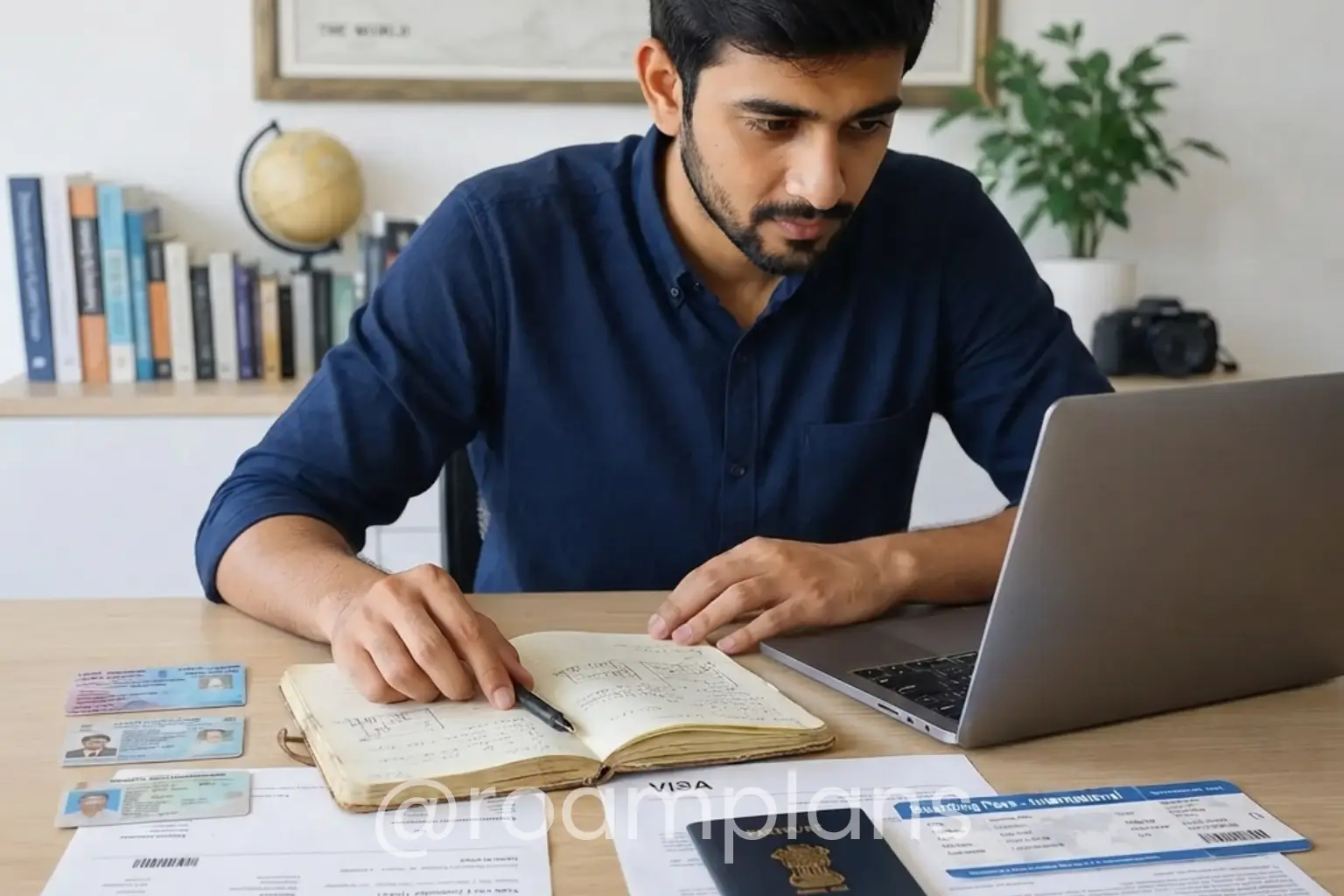
One of the biggest differences between domestic and international travel is the documents you need.
Many first-time international travelers focus on booking flights and hotels but forget to check important travel documents until the last minute.
That mistake can delay or even cancel an entire trip.
Domestic Trips
For most domestic trips, you normally need:
- ✓Government-issued photo ID
- ✓Driver’s license (if driving)
- ✓Flight or train ticket (if required)
- ✓Hotel confirmation
- ✓Travel itinerary
Because you stay within your own country, document requirements are usually simple.
International Trips
International travel often requires additional documents, such as:
- ✓Passport
- ✓Visa (if required)
- ✓Flight tickets
- ✓Hotel bookings
- ✓Travel insurance documents
- ✓Entry or arrival forms (for some destinations)
Always check the official entry requirements for your destination well before your departure date.
Passport Requirements
Your passport is one of the most important documents for international travel.
Without a valid passport, you may not even be allowed to board your flight.
Many countries also require your passport to remain valid for several months after your planned arrival or departure date.
That is why checking your passport should be one of the first steps in your planning process.
Before You Book
Take a few minutes to confirm:
- ✓Your passport has not expired.
- ✓It has enough blank pages if required.
- ✓Your personal information is correct.
- ✓It will remain valid for your destination’s requirements.
Doing this early helps prevent unnecessary stress later.
Visa Requirements
A visa allows you to enter certain countries for tourism, business, study, or other approved purposes.
Not every destination requires one.
Some countries allow visa-free entry, while others provide visas on arrival or electronic visas.
Others require travelers to apply before leaving home.
Requirements depend on your nationality and your destination.
Never assume that the rules are the same for every country.
Always verify the latest requirements through official government sources before making final travel arrangements.
Currency Differences

Money is another area where domestic and international trips are quite different.
Domestic Travel
Domestic travel is usually straightforward because you continue using your normal currency.
You already understand local prices, payment methods, and banking systems.
This makes budgeting much easier.
International Travel
International trips may require you to use a different currency.
Before you travel, it helps to understand:
- ✓The exchange rate
- ✓Local payment methods
- ✓Whether credit cards are widely accepted
- ✓ATM availability
- ✓Any foreign transaction fees charged by your bank
Learning these details before your trip can help you avoid unexpected costs.
Language Differences
Language is something many travelers do not think about until they arrive.
For domestic travel, communication is usually easy because you already understand the local language or are familiar with common phrases.
International travel can be very different.
You may encounter signs, transportation systems, restaurant menus, and local services written in another language.
Fortunately, planning ahead can make communication much easier.
Helpful Preparation Tips
Before traveling internationally, consider:
- ✓Learning a few basic local phrases.
- ✓Downloading an offline translation app.
- ✓Saving your accommodation address in the local language.
- ✓Keeping important emergency information available both digitally and on paper.
A little preparation can make everyday situations much less stressful.
If this is your first time planning any type of vacation, our How to Plan Your First Trip ↗ guide explains the complete planning process before you begin comparing domestic and international travel.
Transportation Planning
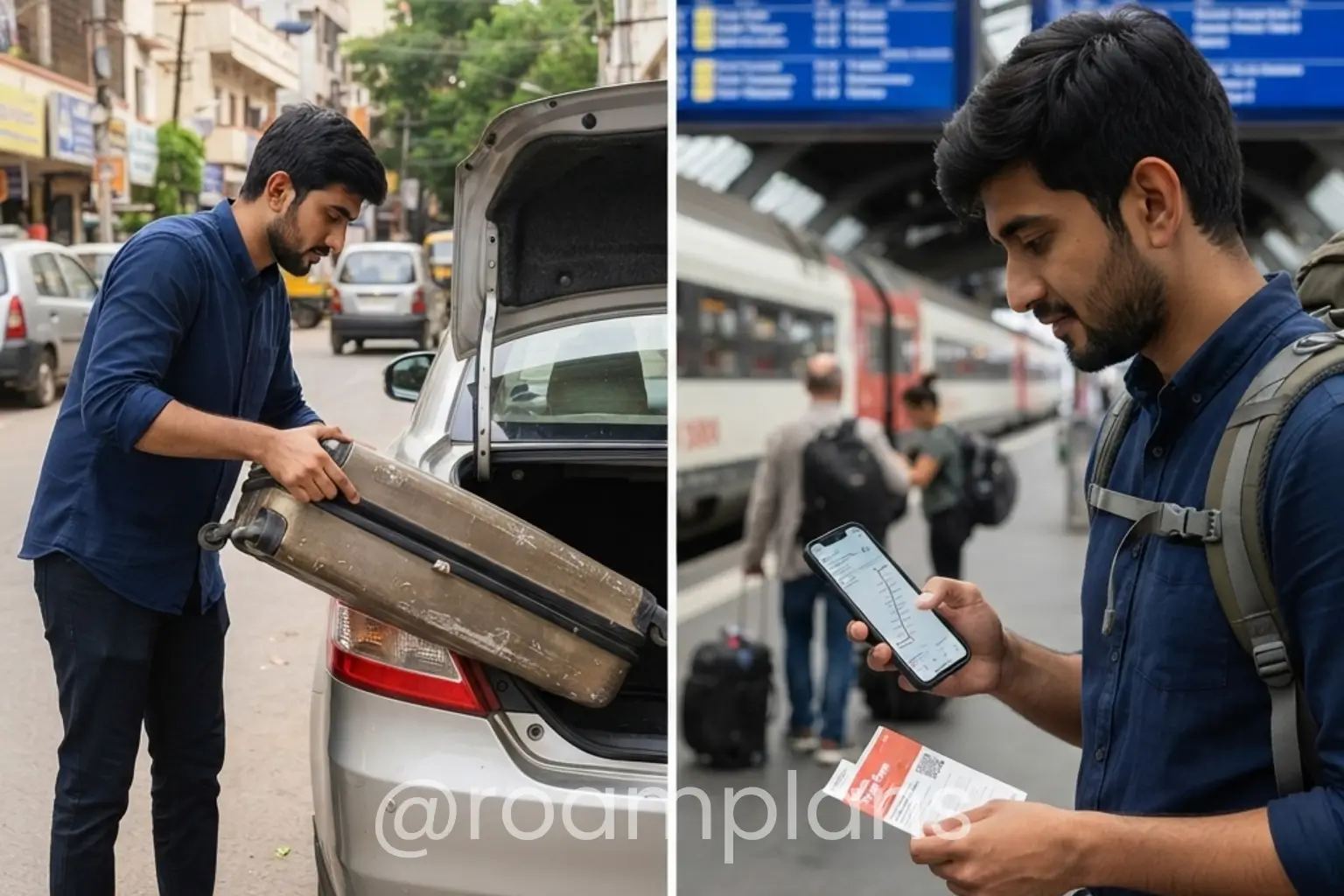
Getting to your destination is one of the biggest differences between domestic and international travel.
Domestic trips often give you more transportation options and greater flexibility.
International trips usually require more planning because they involve longer journeys, airport procedures, and sometimes multiple forms of transportation.
Planning your transportation early can help you save money and avoid unnecessary stress.
Domestic Trips
Domestic travelers often choose between:
- ✓Driving
- ✓Domestic flights
- ✓Trains
- ✓Buses
- ✓Ferries (where available)
Because everything happens within one country, changing your travel plans is often easier.
International Trips
International travel may involve:
- ✓International flights
- ✓Layovers
- ✓Immigration procedures
- ✓Customs inspections
- ✓Airport transfers
- ✓Local transportation after arrival
Each step should be included in your travel plan, not just the flight itself.
Flights vs Driving
Your transportation choice can also affect how you plan your trip.
Domestic Travel
Driving is often a practical option for nearby destinations.
It gives you:
- ✓Flexible departure times
- ✓Freedom to stop along the way
- ✓Extra luggage space
- ✓Easier access to smaller towns
For longer domestic journeys, flying may save both time and energy.
International Travel
Driving is rarely possible unless you are crossing nearby borders.
Most international trips rely on flights, which means planning becomes more important.
Before booking, check:
- ✓Flight duration
- ✓Layovers
- ✓Baggage allowance
- ✓Arrival airport
- ✓Transportation from the airport to your accommodation
Considering these details early can help your arrival go much more smoothly.
Time Zones
Time zones are another difference that travelers sometimes overlook.
Domestic Trips
Many domestic trips stay within the same time zone.
Even in larger countries with multiple time zones, the adjustment is often smaller.
International Trips
International travel may involve crossing several time zones.
This can affect:
- ✓Sleep schedules
- ✓Meal times
- ✓Energy levels
- ✓Tour bookings
- ✓Meeting times
If you are traveling far from home, give yourself enough time to adjust after you arrive.
Mobile Data and Internet
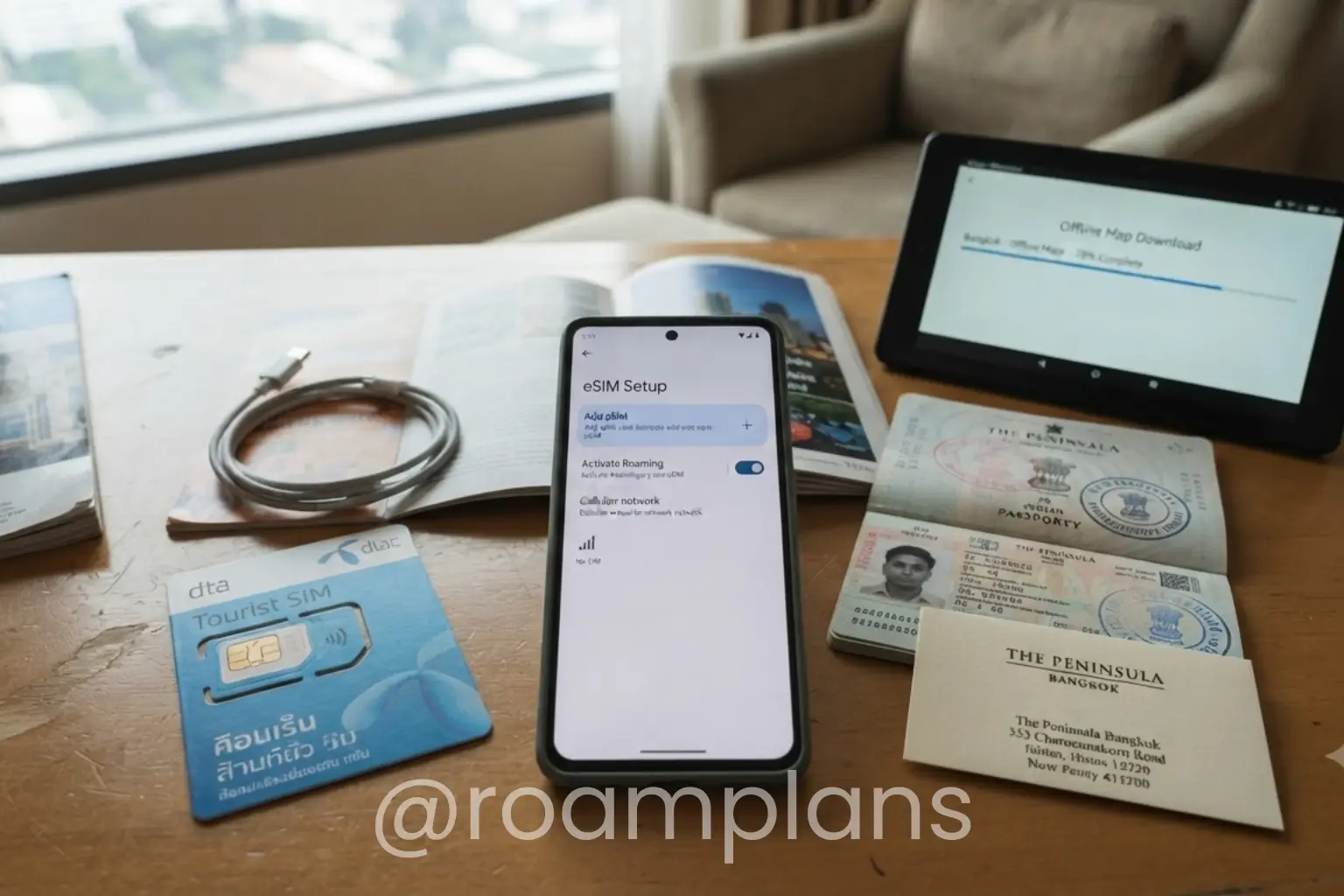
Most travelers depend on their phones throughout their trip.
Planning how you will stay connected is much easier before you leave home.
Domestic Travel
Your normal mobile plan usually continues to work.
You can often:
- ✓Make calls
- ✓Use mobile data
- ✓Access maps
- ✓Book transportation
- ✓Contact hotels
without making any special arrangements.
International Travel
Using your phone abroad may require additional planning.
Options often include:
- ✓International roaming
- ✓Local SIM cards
- ✓eSIM services
- ✓Public Wi-Fi
Before traveling, check your mobile provider’s international charges to avoid unexpected bills.
Money and Payments
Paying for things is usually straightforward during domestic travel.
International travel often requires a little more preparation.
Domestic Trips
You already know:
- ✓Local currency
- ✓Common payment methods
- ✓Banking system
- ✓ATM availability
Budgeting is usually simpler because prices are familiar.
International Trips
Before traveling abroad, check:
- ✓Currency exchange rates
- ✓Credit card acceptance
- ✓Debit card fees
- ✓ATM availability
- ✓Contactless payment options
It is also helpful to carry a small amount of local currency for situations where cards are not accepted.
Travel Insurance

Travel insurance is something many travelers think about only after booking their trip.
In reality, it is better to consider it during the planning stage.
Domestic Travel
Travel insurance may not always be necessary for shorter domestic trips.
However, some travelers still choose coverage for:
- ✓Trip cancellations
- ✓Lost luggage
- ✓Rental vehicles
- ✓Medical emergencies while traveling
The level of coverage depends on your trip and personal preferences.
International Travel
Travel insurance is often much more important when traveling abroad.
Depending on your destination, it may help cover:
- ✓Emergency medical treatment
- ✓Trip delays
- ✓Flight cancellations
- ✓Lost or delayed baggage
- ✓Emergency evacuation
- ✓Unexpected travel interruptions
Some destinations even require proof of travel insurance before allowing entry.
Health Requirements
Health planning can be very different depending on where you travel.
Domestic Trips
Most domestic travelers simply pack any personal medications they need.
There are usually very few additional health requirements.
International Trips
Some countries have extra entry requirements related to health.
Before traveling, check whether your destination recommends or requires:
- ✓Health declarations
- ✓Medical certificates
- ✓Prescription documentation
- ✓Specific vaccinations
Checking these requirements early gives you plenty of time to prepare.
Vaccinations
Vaccination requirements vary between destinations.
Many countries have no special vaccination rules for visitors, while others may recommend or require certain vaccines.
Always review the latest health advice from official government or public health sources before traveling internationally.
If you take regular medication, carry enough for your trip and keep it in its original packaging whenever possible.
Emergency Contacts
Emergency planning is easy to overlook until something unexpected happens.
Preparing a few important contacts before your trip can provide peace of mind.
Domestic Travel
Save important numbers such as:
- ✓Family members
- ✓Local emergency services
- ✓Your accommodation
- ✓Roadside assistance (if driving)
International Travel
In addition to the contacts above, keep:
- ✓Your country’s embassy or consulate
- ✓Local emergency numbers
- ✓Travel insurance emergency hotline
- ✓Airline customer service
- ✓Copies of important travel documents stored securely
Having this information available can save valuable time if you ever need assistance during your trip.
Budget Differences
Your budget plays an important role in every trip, but the way you plan your money often changes depending on whether you are traveling domestically or internationally.
Domestic travel is usually easier to estimate because you are already familiar with local prices.
International travel often requires more research because costs can vary greatly from one country to another.
Domestic Trips
When planning a domestic trip, your budget is usually based on:
- ✓Transportation
- ✓Accommodation
- ✓Food
- ✓Attractions
- ✓Fuel (if driving)
- ✓Shopping
Since you already know the local currency and typical prices, estimating expenses is often more straightforward.
International Trips
International travel may include additional costs, such as:
- ✓Passport fees
- ✓Visa fees
- ✓Currency exchange
- ✓International flights
- ✓Travel insurance
- ✓Foreign transaction charges
- ✓International mobile services
Including these expenses in your budget helps you avoid unexpected surprises later.
Packing Differences

Packing for a domestic trip is often simpler because replacing forgotten items is usually easier.
International travel often requires more careful preparation.
Domestic Trips
Most domestic travelers pack:
- ✓Comfortable clothing
- ✓Toiletries
- ✓Personal medications
- ✓Chargers
- ✓Identification
- ✓Travel documents
If something is forgotten, it is often easy to buy a replacement nearby.
International Trips
International travelers may also need:
- ✓Passport
- ✓Visa documents
- ✓Travel insurance information
- ✓Currency or payment cards
- ✓Power adapter
- ✓Prescription documents (if required)
- ✓Copies of important travel documents
Checking your destination’s weather and local customs before packing can also help you choose the right clothing.
Local Culture
Learning about local culture improves almost every trip.
Domestic Travel
Within your own country, you may already understand:
- ✓Local customs
- ✓Social behavior
- ✓Dining etiquette
- ✓Public transportation
- ✓Common traditions
Even so, different regions can still have unique cultures and customs worth respecting.
International Travel
International trips often introduce you to completely different traditions.
Before you travel, spend some time learning about:
- ✓Greetings
- ✓Dining etiquette
- ✓Appropriate clothing
- ✓Religious customs
- ✓Photography rules
- ✓Local laws
Showing respect for local culture often creates a better experience for both travelers and local communities.
Weather Planning
Weather affects your packing, transportation, and daily activities.
Checking the forecast should always be part of your planning process.
Domestic Trips
Weather patterns may already be familiar.
However, conditions can still vary between different regions of the country.
Mountain areas, coastal destinations, and deserts often experience very different weather.
International Trips
International destinations may have completely different seasons from your home country.
For example, your destination could be experiencing summer while it is winter where you live.
Always check:
- ✓Average temperatures
- ✓Rainfall
- ✓Humidity
- ✓Seasonal weather
- ✓Extreme weather risks
Planning around the weather helps you pack smarter and enjoy your trip more comfortably.
Safety Research
Every destination deserves at least a little safety research before you arrive.
Domestic Trips
Research topics may include:
- ✓Safe neighborhoods
- ✓Local traffic conditions
- ✓Weather alerts
- ✓Emergency services
- ✓Tourist scams (if any)
International Trips
International travelers should also learn about:
- ✓Local laws
- ✓Entry regulations
- ✓Common tourist scams
- ✓Emergency numbers
- ✓Political or security advisories
- ✓Cultural expectations
Staying informed helps you make better decisions throughout your trip.
Booking Accommodation
Accommodation planning is important for both domestic and international travel.
However, international bookings often require a little more attention.
Domestic Trips
When booking accommodation, consider:
- ✓Location
- ✓Parking
- ✓Guest reviews
- ✓Cancellation policy
- ✓Nearby attractions
Communication with the property is usually straightforward.
International Trips
For international bookings, also check:
- ✓Check-in instructions
- ✓Language support
- ✓Payment requirements
- ✓Airport transportation
- ✓Nearby public transport
- ✓Local taxes or additional fees
Reading recent guest reviews can also help you understand what to expect.
Booking Transportation
After arranging your accommodation, think about how you will travel once you arrive.
Domestic Trips
Transportation may include:
- ✓Personal vehicle
- ✓Rental car
- ✓Local buses
- ✓Trains
- ✓Ride-sharing services
- ✓Taxis
Most systems will already feel familiar.
International Trips
Research local transportation before your departure.
This may include:
- ✓Airport transfers
- ✓Metro systems
- ✓Train networks
- ✓Local buses
- ✓Ride-sharing availability
- ✓Taxi payment methods
Knowing these details before you arrive can make your first day much less stressful.
Communication Challenges
Communication is another area where domestic and international travel can feel very different.
Domestic Trips
Communication is usually easier because you already understand the local language and common expressions.
Asking for directions, reading signs, and ordering food generally feels familiar.
International Trips
Language differences may create small challenges.
Fortunately, a little preparation goes a long way.
Helpful tools include:
- ✓Translation apps
- ✓Offline maps
- ✓Digital copies of hotel addresses
- ✓Simple local phrases
- ✓Written emergency contacts
Many travelers find that learning just a few polite words in the local language makes conversations much easier.
Domestic vs International Trip Planning Comparison
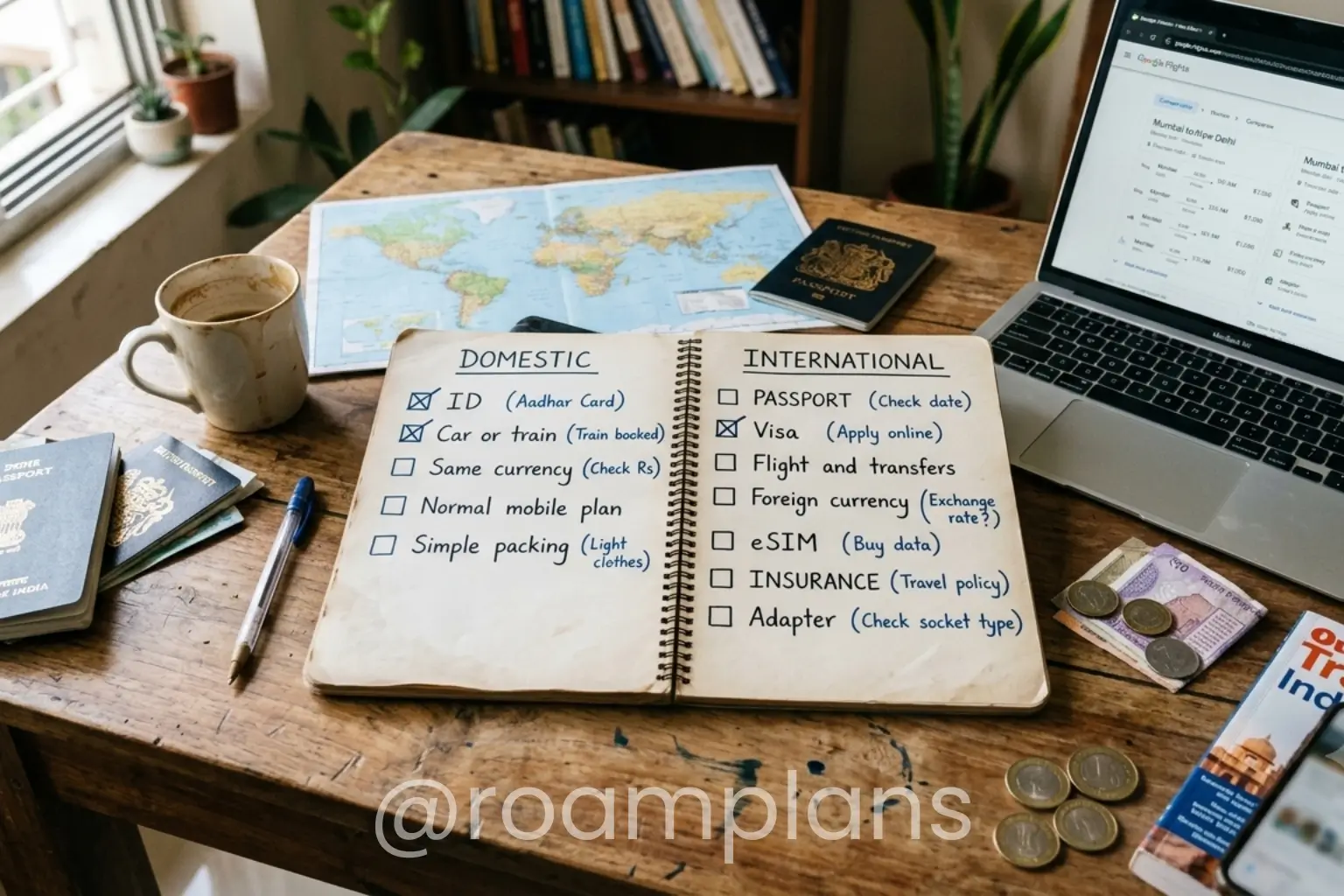
| Planning Area | Domestic Trip | International Trip |
|---|---|---|
| Budget | Easier to estimate | More expenses to research |
| Packing | Usually simple | More detailed preparation |
| Culture | Mostly familiar | Often very different |
| Weather | Generally familiar | May be completely different |
| Safety Research | Basic preparation | More detailed research |
| Accommodation | Easier communication | Extra details to verify |
| Transportation | Familiar systems | Research local transport |
| Communication | Same language in most cases | Translation may be helpful |
Both domestic and international trips become much easier when you prepare in advance. The biggest difference is not whether one type of trip is better than the other, but how much planning each one requires before you leave home.
Which Type of Trip Is Better for Beginners?
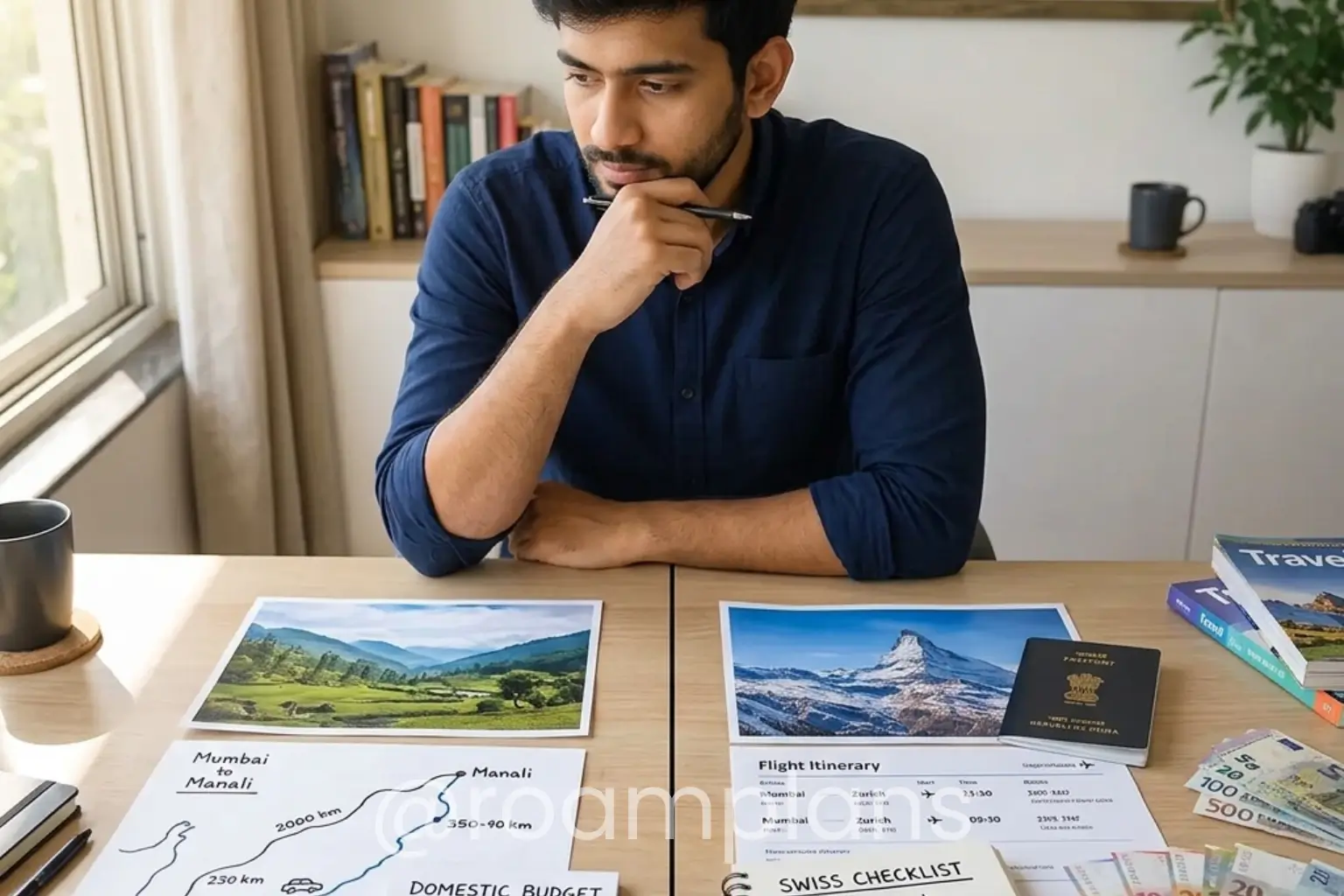
If you are planning your very first trip, you may wonder whether a domestic or international vacation is the better choice.
There is no right or wrong answer.
The best option depends on your confidence, budget, available time, and the type of experience you want.
For many first-time travelers, a domestic trip is a great way to build travel confidence before exploring other countries.
However, if you are well prepared, an international trip can also be an unforgettable first travel experience.
When a Domestic Trip May Be the Better Choice
Domestic travel is often ideal if you:
- ✓Are traveling for the first time
- ✓Have a limited budget
- ✓Have only a few vacation days
- ✓Prefer familiar surroundings
- ✓Want a simpler planning process
- ✓Feel nervous about traveling abroad
Domestic trips usually involve fewer travel documents, fewer unexpected situations, and less planning.
They allow you to practice booking transportation, accommodation, and activities while staying in a familiar environment.
When an International Trip May Be the Better Choice?
International travel may be a better option if you:
- ✓Want to experience a different culture
- ✓Have enough vacation time
- ✓Feel comfortable planning ahead
- ✓Have a flexible travel budget
- ✓Enjoy exploring new places
- ✓Are excited to experience different languages, food, and traditions
Although international travel usually requires more preparation, the rewards can be equally memorable.
With careful planning, it does not have to feel overwhelming.
Biggest Planning Mistakes to Avoid
Whether you travel domestically or internationally, avoiding a few common mistakes can make your trip much smoother.
Waiting Too Long to Plan
Booking transportation and accommodation at the last minute often reduces your choices and may increase costs.
Starting early gives you more flexibility.
Ignoring Entry Requirements
International travelers sometimes assume they can enter every country without checking official requirements.
Always confirm passport, visa, and entry rules before booking.
Underestimating Travel Time
Many travelers only think about flight duration.
Remember to include:
- ✓Airport check-in
- ✓Security screening
- ✓Layovers
- ✓Immigration
- ✓Customs
- ✓Transportation to your accommodation
Forgetting Important Documents
Before leaving home, double-check that you have everything you need.
For international trips especially, missing one important document can completely disrupt your travel plans.
Not Researching the Destination
Even domestic destinations deserve some preparation.
Learning about transportation, local customs, weather, and safety before you travel helps you feel more confident after you arrive.
Frequently Asked Questions
Yes. In most cases, domestic travel requires fewer documents, less planning, and fewer travel restrictions than international travel.
Not always. Some international destinations can cost less than domestic vacations. Your total cost depends on transportation, accommodation, food, activities, and your travel style.
In most situations, yes. Many countries require a valid passport before allowing entry.
Many people do because the planning process is usually simpler. However, well-prepared first-time travelers can also enjoy successful international trips.
It depends on your destination and personal preferences. Some travelers choose it for extra peace of mind, while it is often considered more important for international travel.
Starting several months before your departure usually gives you enough time to organize documents, transportation, accommodation, and other travel arrangements.
Usually, yes. However, you may need international roaming, a local SIM card, or an eSIM depending on your destination and mobile provider.
International travel generally requires more preparation because of passports, visas, currency, transportation, health requirements, and entry rules.
Final Thoughts
After planning both domestic and international trips, one thing has become very clear to me: good planning matters far more than the distance you travel. Some of my most enjoyable trips have been simple weekends exploring places close to home, while some international adventures required weeks of preparation before I even packed my suitcase. Each trip taught me that understanding the destination and preparing for its unique requirements makes the entire journey more enjoyable.
As you decide between a domestic or international trip, don’t focus on which option sounds more exciting. Instead, choose the one that matches your budget, available time, comfort level, and travel goals. With the right preparation, both can become memorable experiences. Every journey builds your confidence, and each trip gives you valuable experience that makes planning the next adventure even easier.

Adnan Ahmed
RoamPlans AuthorTravel Planning Researcher & Editor
Adnan Ahmed is the travel planning researcher and editor behind RoamPlans. He creates clear, practical guides to help travelers compare destinations, plan routes, estimate costs, and avoid common trip-planning mistakes. His work combines careful source research, official travel information, and regular content reviews to keep each guide useful and current.
- ✓Destination Research
- ✓Budget Planning
- ✓Route Planning
- ✓Beginner Travel Guides