How to Create a Personalized Travel Itinerary
A travel itinerary can look impressive and still be a poor fit for the person following it. Long museum visits, sunrise starts, or constant hotel changes may suit one traveler and exhaust another. A useful plan starts with your interests and the time you want to give them.
When I build a custom route for RoamPlans, I combine personal priorities with practical constraints: location, budget, opening hours, and travel time. The workflow and templates below help you turn the experiences you want into a schedule that fits your pace.
This guide shows you how to build a custom itinerary around your interests, pace, and travel style. Before scheduling individual days, confirm how many days your trip should be ↗ and set a realistic travel budget ↗.
Create Your Personalized Itinerary in 7 Steps
Work through these steps before committing to a detailed daily schedule. Use real opening hours and journey times for your travel dates.
| Step | What to do | Your output |
|---|---|---|
| 1. Set the limits | Confirm dates, usable destination days, total budget, and any mobility needs. | A realistic planning window |
| 2. Choose your priorities | List experiences you want and rank them as essential, optional, or a backup. | A short priority list |
| 3. Map nearby places | Group activities by neighborhood and check door-to-door travel times. | A route with less backtracking |
| 4. Anchor each day | Choose one main experience and place fixed bookings at their actual times. | A daily highlight |
| 5. Add practical time | Include meals, queues, transfers, and rest between activities. | A schedule you can follow |
| 6. Prepare alternatives | Keep an indoor option and an activity you can skip or move. | A flexible backup |
| 7. Review and save | Check costs, dates, opening hours, and access needs; save essential details offline. | A usable travel plan |
You can organize your final schedule with the travel itinerary builder ↗. Check venue information directly before booking; a planning tool does not confirm availability or entry conditions.
What Is a Personalized Travel Itinerary?
A custom travel itinerary is a travel plan built around your preferences, not someone else’s.
Instead of trying to visit every famous attraction, you choose activities that match what you enjoy most.
This creates a trip that feels more relaxing, rewarding, and memorable.
Two people can visit the same destination and have completely different experiences because their interests are different.
Why Generic Itineraries Don’t Always Work?
Many travel websites publish ready-made itineraries for popular destinations.
These can be useful for inspiration, but they cannot match every traveler’s needs.
A schedule created for one person may not suit another.
For example:
-
✓A photographer may want to visit scenic viewpoints at sunrise.
-
✓A food lover may spend more time exploring local restaurants.
-
✓A family with young children may need shorter sightseeing days.
-
✓A couple may prefer slow walks and quiet evenings.
Your itinerary should reflect the type of trip you want—not simply follow someone else’s plan.
Start with Your Travel Goal

Before choosing activities, ask yourself one simple question:
Why am I taking this trip?
Your answer will guide every decision that follows.
Common travel goals include:
-
✓Relaxation
-
✓Adventure
-
✓Cultural experiences
-
✓Food exploration
-
✓Nature
-
✓Photography
-
✓Shopping
-
✓Family time
-
✓Celebrating a special occasion
Knowing your main goal makes it easier to decide what deserves your time.
Identify Your Travel Style

Every traveler enjoys different experiences.
Understanding your travel style helps you create an itinerary that feels natural instead of exhausting.
Relaxation Traveler
You may enjoy:
-
✓Beaches
-
✓Cafés
-
✓Spa visits
-
✓Scenic walks
-
✓Quiet afternoons
Your itinerary should leave plenty of free time between activities.
Adventure Traveler
You may prefer:
-
✓Hiking
-
✓Outdoor sports
-
✓Wildlife experiences
-
✓Mountain viewpoints
-
✓Water activities
Your days may include more active experiences.
Culture and History Traveler
You might enjoy:
-
✓Museums
-
✓Historic neighborhoods
-
✓Local architecture
-
✓Cultural performances
-
✓Heritage sites
Your itinerary can focus on learning about the destination rather than visiting every famous attraction.
Food Traveler
If local cuisine is one of the main reasons you travel, your schedule may include:
-
✓Traditional restaurants
-
✓Local markets
-
✓Food tours
-
✓Cooking classes
-
✓Regional specialties
Meals become an important part of the experience rather than simply a break between sightseeing.
Choose Experiences That Matter to You
After identifying your travel style, begin selecting experiences that genuinely interest you.
Avoid adding attractions simply because they appear on every travel guide.
Instead, ask yourself:
-
✓Would I actually enjoy this?
-
✓Does it match my travel goal?
-
✓Is it worth the time?
Choosing meaningful experiences often creates better memories than trying to visit every popular location.
If you haven’t chosen your destination yet, our How to Choose a Travel Destination ↗ guide can help you find a place that matches your interests before creating your personalized itinerary.
Prioritize Your Interests

One of the easiest ways to personalize an itinerary is to decide which experiences matter most to you.
Instead of treating every attraction as equally important, rank them based on your own interests.
This helps you spend more time doing what you truly enjoy instead of trying to see everything.
Create Your Own Priority List
Start by listing the experiences you are most excited about.
For example:
-
✓Famous landmarks
-
✓Local food
-
✓Nature
-
✓Museums
-
✓Shopping
-
✓Beaches
-
✓Photography spots
-
✓Entertainment
-
✓Outdoor activities
Your highest priorities should receive the most time in your itinerary.
Before allocating time, research the destination’s attractions and distances ↗. A place may need a timed ticket, have limited opening days, or take longer to reach than the map suggests.
Build Each Day Around One Main Experience
Many travelers try to fit too many activities into a single day.
Instead, choose one main experience for each day and add smaller activities around it.
For example, if your main goal is visiting a national park, let that be the highlight of the day rather than trying to squeeze in several unrelated attractions afterward.
This creates a more enjoyable and less rushed experience.
Ask Yourself
Before adding another activity, ask:
-
✓Is this something I really want to do?
-
✓Will I enjoy it, or am I adding it because everyone else does?
-
✓Will I still have enough time to experience my main activity properly?
If the answer is no, consider leaving it out.
Match Your Itinerary to Your Energy Level

Not everyone likes to travel at the same pace.
Some people enjoy busy sightseeing days, while others prefer a slower and more relaxed schedule.
A personalized itinerary should match how you naturally like to spend your time.
If You Enjoy Busy Days
Your itinerary may include:
-
✓Early starts
-
✓Several attractions
-
✓Walking tours
-
✓Evening activities
-
✓Full sightseeing days
This style works well if you enjoy staying active throughout the day.
If You Prefer Slow Travel
Your schedule may include:
-
✓Late mornings
-
✓Long lunches
-
✓Coffee breaks
-
✓Scenic walks
-
✓Fewer attractions
-
✓Relaxed evenings
Moving at a comfortable pace often allows you to appreciate a destination more deeply.
Plan Around Your Best Time of Day
Everyone has different daily routines.
Building your itinerary around your natural energy can make your trip much more enjoyable.
Morning Travelers
If you’re most energetic in the morning, schedule activities such as:
-
✓Popular attractions
-
✓Museums
-
✓Walking tours
-
✓Outdoor sightseeing
These experiences often feel more enjoyable when you have plenty of energy.
Evening Travelers
If you enjoy slower mornings, you may prefer:
-
✓Cafés
-
✓Local markets
-
✓Sunset viewpoints
-
✓Night markets
-
✓Evening entertainment
There is no right or wrong schedule.
The best itinerary follows your own rhythm.
Balance Activity with Rest

A personalized itinerary should leave room to relax.
Trying to stay busy from morning until night every day can quickly become tiring.
Instead, balance active experiences with quieter moments.
Ideas include:
-
✓Sitting in a local park
-
✓Enjoying a café
-
✓Walking along a waterfront
-
✓Reading in a peaceful garden
-
✓Watching the sunset
These simple moments often become some of the most memorable parts of a trip.
Leave Space for Unexpected Discoveries
One advantage of creating your own itinerary is that you can remain flexible.
You may discover:
-
✓A local festival
-
✓A street performance
-
✓A hidden café
-
✓A scenic viewpoint
-
✓A recommendation from a local resident
If every minute of your day is scheduled, you may miss these unexpected experiences.
Leaving a little free time makes your itinerary feel more personal and less restrictive.
Personalization Checklist
Before moving on to the next stage of your itinerary, ask yourself:
Does this day match my interests?
Am I spending enough time on my favorite experiences?
Does the pace feel comfortable?
Have I included time to relax?
Am I leaving room for unexpected discoveries?
Answering these questions helps ensure your itinerary reflects the way you enjoy traveling rather than following a schedule designed for someone else.
Customize Your Itinerary for Who You’re Traveling With

A personalized itinerary should reflect not only your interests but also the people traveling with you.
A trip that works perfectly for a solo traveler may not suit a family or a group of friends.
Adjusting your itinerary for your travel companions helps everyone enjoy the experience.
Solo Travelers
If you’re traveling alone, you have complete freedom to plan your days.
You can:
-
✓Change plans easily
-
✓Spend extra time at places you enjoy
-
✓Explore hidden neighborhoods
-
✓Visit attractions at your own pace
-
✓Take spontaneous breaks
Your itinerary can remain flexible because you only need to consider your own preferences.
Couples
Couples often enjoy balancing sightseeing with quality time together.
Your itinerary might include:
-
✓Scenic walks
-
✓Sunset viewpoints
-
✓Local cafés
-
✓Romantic dinners
-
✓Shared experiences like cooking classes or boat trips
Leave enough free time to enjoy each destination without constantly checking the schedule.
Families
Families usually need a slower pace.
Consider including:
-
✓Child-friendly attractions
-
✓Parks and playgrounds
-
✓Frequent meal breaks
-
✓Rest time
-
✓Shorter sightseeing sessions
Keeping the schedule realistic helps everyone stay comfortable throughout the trip.
Friends
Group travel often means different interests.
Before your trip, discuss:
-
✓Must-see attractions
-
✓Food preferences
-
✓Daily budget
-
✓Preferred pace
-
✓Free time for individual activities
Agreeing on expectations early can help avoid disagreements later.
Include Your Personal Preferences
Two travelers with the same destination and travel style can still enjoy completely different itineraries.
This is where personal preferences make your trip unique.
Think about the small details that improve your experience.
For example, you may prefer to:
-
✓Visit attractions early to avoid crowds
-
✓Spend more time taking photographs
-
✓Walk instead of using public transportation
-
✓Discover quiet neighborhoods
-
✓Eat at locally owned restaurants
-
✓Watch sunrise or sunset each day
These choices make your itinerary feel like it was designed specifically for you.
Create a Flexible Daily Plan

A personalized itinerary should guide your day without controlling every minute.
Instead of assigning an exact time to every activity, create a simple daily flow.
| Daily Block | What to Schedule | Personalization Check |
|---|---|---|
| Morning | Your main attraction, outdoor activity, or highest-energy experience | Does this match when you feel most energetic and the venue’s opening time? |
| Midday | Meal, travel between areas, and a short buffer | Is the route realistic without rushing? |
| Afternoon | One secondary experience or a flexible alternative | Is it close to the morning activity and suitable for your pace? |
| Evening | Dinner, entertainment, a walk, or rest | Does it fit your interests, safety needs, and return transport? |
| Backup | Indoor option, free time, or an activity that needs no reservation | Can you use it if weather, delays, or energy levels change? |
For example:
Morning
Main sightseeing or outdoor activity
Afternoon
Lunch followed by a second experience or relaxing break
Evening
Dinner, local entertainment, or a peaceful walk
This structure keeps your day organized while allowing flexibility if your plans change.
Personalized Travel Itinerary Template
Copy these fields into a document or spreadsheet and complete one row for each day. Use exact times for reservations and flexible blocks for unbooked activities.
| Field | What to record |
|---|---|
| Date and overnight base | Travel date, hotel, and any change of accommodation |
| Main experience | Your priority activity and its confirmed start time if booked |
| Nearby optional stop | One extra experience you can drop without losing the day’s highlight |
| Transport and meals | Journey time, meal break, and how you will return to your accommodation |
| Expected spending | Tickets, meals, and local transport; record shared costs consistently |
| Rest and backup | A free block and an alternative for weather or low energy |
| Booking details | Confirmation, cancellation deadline, and essential contact information |
Same City, Two Different Itineraries
Imagine two travelers visiting the same city. These are sample planning blocks, not venue-specific recommendations.
| Block | Culture-focused traveler | Family wanting a slower day |
|---|---|---|
| Morning | 10 AM museum booking as the main experience | A nearby park or child-friendly attraction |
| Midday | Lunch near the museum and time to rest | Lunch followed by a hotel break |
| Afternoon | Optional historic-neighborhood walk | Short outing only if everyone has energy |
| Evening | Dinner near the hotel; performance if booked | Early dinner and a quiet evening |
| Backup | Indoor exhibition or café if weather changes | Indoor activity or extra rest |
The change is in priorities, travel distance, and pace. Personalization does not require adding more activities.
Review Your Itinerary Before You Travel

Once your itinerary is complete, read through it as if you were already on the trip.
Ask yourself:
-
✓Does this day sound enjoyable?
-
✓Would I feel rushed?
-
✓Is there enough variety?
-
✓Does the schedule match my travel style?
-
✓Would I still enjoy this if the weather changed?
Making small adjustments before your trip is much easier than changing plans after you arrive.
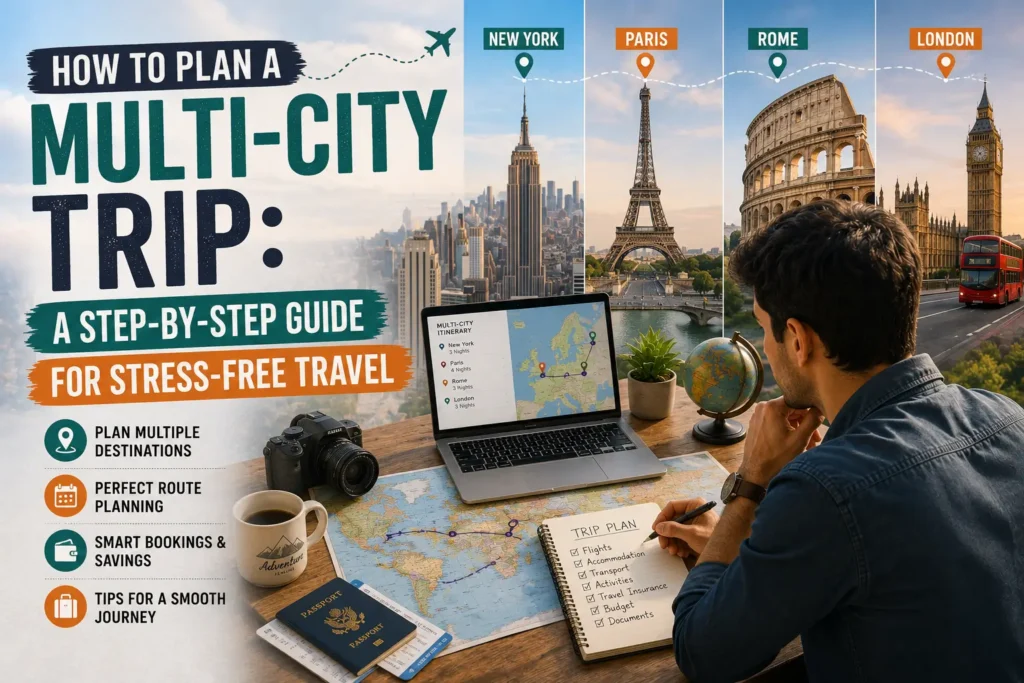
If your itinerary includes several cities, check the transfer time between hotel bases ↗ before treating a moving day as a full sightseeing day. Also check hotel arrival and departure times ↗ when planning activities around your luggage.
Signs Your Itinerary Is Truly Personalized
Your itinerary is probably well personalized if:
-
✓It reflects your interests instead of popular trends.
-
✓It matches your preferred travel pace.
-
✓It includes activities you are genuinely excited about.
-
✓It leaves room for flexibility.
-
✓It feels comfortable rather than overwhelming.
Remember, a successful itinerary is not measured by how many attractions you visit but by how much you enjoy the experiences you choose.
Personalized Itinerary Self-Check
Before finishing your travel plan, see if you can answer “yes” to these questions:
Does this itinerary match my travel goal?
Have I prioritized experiences that interest me most?
Does the daily pace feel comfortable?
Have I considered the people traveling with me?
Have I included my personal preferences?
Is there enough flexibility for unexpected opportunities?
If you answered “yes” to most of these questions, you have created an itinerary that reflects your own travel style rather than following a generic plan copied from someone else.
Common Mistakes When Personalizing an Itinerary
Creating a personalized itinerary is about making your trip fit you, not creating a perfect schedule.
Sometimes travelers accidentally make choices that reduce the enjoyment of their vacation.
Avoiding these common mistakes can help you create an itinerary that feels both practical and enjoyable.
Copying Someone Else’s Itinerary
Travel blogs, social media, and travel videos are excellent sources of inspiration.
However, copying another person’s itinerary exactly may leave you visiting places that don’t match your own interests.
Use other itineraries for ideas, but build your own based on what you actually enjoy.
Trying to Include Every Popular Attraction
Many travelers believe they must visit every famous place.
This often creates busy days filled with rushing from one attraction to another.
Instead, focus on experiences that genuinely excite you.
A smaller number of meaningful experiences usually creates better memories than a long checklist.
Ignoring Your Natural Pace
Some people enjoy full sightseeing days.
Others prefer slower travel with time to relax.
Choosing a pace that doesn’t suit you can make your vacation feel tiring instead of enjoyable.
Build an itinerary around how you naturally like to travel.
Leaving No Flexibility
Planning every minute leaves little room for unexpected opportunities.
A local recommendation, a beautiful street, or a hidden café may become one of your favorite memories.
Leaving some free time allows your trip to feel more natural.
Personalized Travel Itinerary Checklist
Before your trip begins, review your itinerary using this checklist.
Travel Style
My itinerary matches my travel style.
My travel goal is clear.
I prioritized experiences that interest me.
Daily Schedule
The pace feels comfortable.
Each day has one clear highlight.
I included time to rest.
My schedule is flexible.
Personal Preferences
Activities reflect my interests.
My travel companions have been considered.
The itinerary feels realistic.
I would genuinely enjoy following this schedule.
If you can confidently check these points, your itinerary is likely built around your own preferences rather than someone else’s expectations.
Frequently Asked Questions
Start with your destination, trip length, budget, companions, interests, and preferred pace. Choose your priority experiences, group nearby places, schedule one main activity per day, add meals and travel time, and keep a backup option or free block. You can organize the final schedule with the travel itinerary builder.
A personalized travel itinerary is a travel schedule designed around your own interests, travel style, preferred pace, and priorities instead of following a generic plan.
Every traveler enjoys different experiences. A schedule that works well for someone else may not match your interests, energy level, or travel goals.
There is no fixed number. Include only the activities you can comfortably enjoy without feeling rushed. Quality experiences are usually more rewarding than trying to visit as many places as possible.
Yes. Free time gives you the flexibility to discover unexpected places, relax, or adjust your plans if something changes during your trip.
Absolutely. A personalized itinerary should consider everyone’s needs, including children, older family members, and shared interests, so the trip is enjoyable for the whole group.
That’s completely normal. A personalized itinerary should be flexible enough to let you adjust your plans as you discover new places or opportunities.
No. Even a weekend getaway can become more enjoyable when the itinerary reflects your own travel style and priorities.
Conclusion
One lesson I’ve learned from years of travel is that the most memorable trips are rarely the ones with the busiest schedules. They’re the ones that feel personal. Some of my favorite travel memories came from slowing down, spending extra time in places I loved, and choosing experiences that matched my own interests instead of following someone else’s recommendations. Once I started building itineraries around my travel style, every trip became more enjoyable and far less stressful.
As you create your own itinerary, remember that there is no perfect schedule that works for everyone. The best itinerary is the one that reflects your interests, your pace, and the experiences you truly value. When your travel plan feels personal, every destination becomes easier to enjoy, and your journey becomes uniquely your own.

Adnan Ahmed
RoamPlans AuthorTravel Planning Researcher & Editor
Adnan Ahmed is the travel planning researcher and editor behind RoamPlans. He creates clear, practical guides to help travelers compare destinations, plan routes, estimate costs, and avoid common trip-planning mistakes. His work combines careful source research, official travel information, and regular content reviews to keep each guide useful and current.
- ✓Destination Research
- ✓Budget Planning
- ✓Route Planning
- ✓Beginner Travel Guides

Turn This Guide into a Practical Trip Plan
Use the recommended Free Travel Itinerary Builder or explore more free RoamPlans tools.