How to Choose a Travel Destination That Fits Your Budget, Time, and Travel Style?
A practical decision guide for comparing destinations by budget, available time, travel dates, comfort, interests, and travel style.
Choosing a travel destination sounds simple until you actually have to make a decision.
One person suggests a beach vacation. Another recommends a famous city ↗. Social media is full of beautiful places, and travel blogs make almost every destination look amazing.
The result is often the same.
Instead of becoming excited, you end up comparing dozens of places without knowing which one is actually right for your trip.
Over the years, I have learned that the best destination is not always the most popular or expensive one. It is the destination that matches your available time, budget, interests, travel style, and the type of experience you want to have.
This guide will help you compare destinations step by step so you can make a confident decision without feeling overwhelmed.
It is not a guide to planning your entire trip. Instead, it focuses on one important question:
How do you choose the right destination in the first place?
Once you have made your decision, you can continue with our Travel Planning Timeline ↗, Travel Planning Checklist ↗, and Step-by-Step Trip Planning Process ↗ to organize the rest of your trip.
Why Choosing the Right Destination Matters?
Your destination influences almost every part of your trip.
It affects your budget, transportation, accommodation, daily activities, travel time, weather, and overall experience.
Choosing the wrong destination can leave you feeling rushed, stressed, or disappointed.
Choosing the right one often makes the rest of the planning process much easier.
For example:
- ✓A destination that matches your budget reduces financial stress.
- ✓A destination that fits your available vacation time creates a more relaxed itinerary.
- ✓A destination that matches your interests makes every travel day more enjoyable.
- ✓A destination with suitable weather helps you enjoy outdoor activities.
The goal is not to find the “best” destination.
The goal is to find the best destination for your current trip.
Start with the Experience You Want
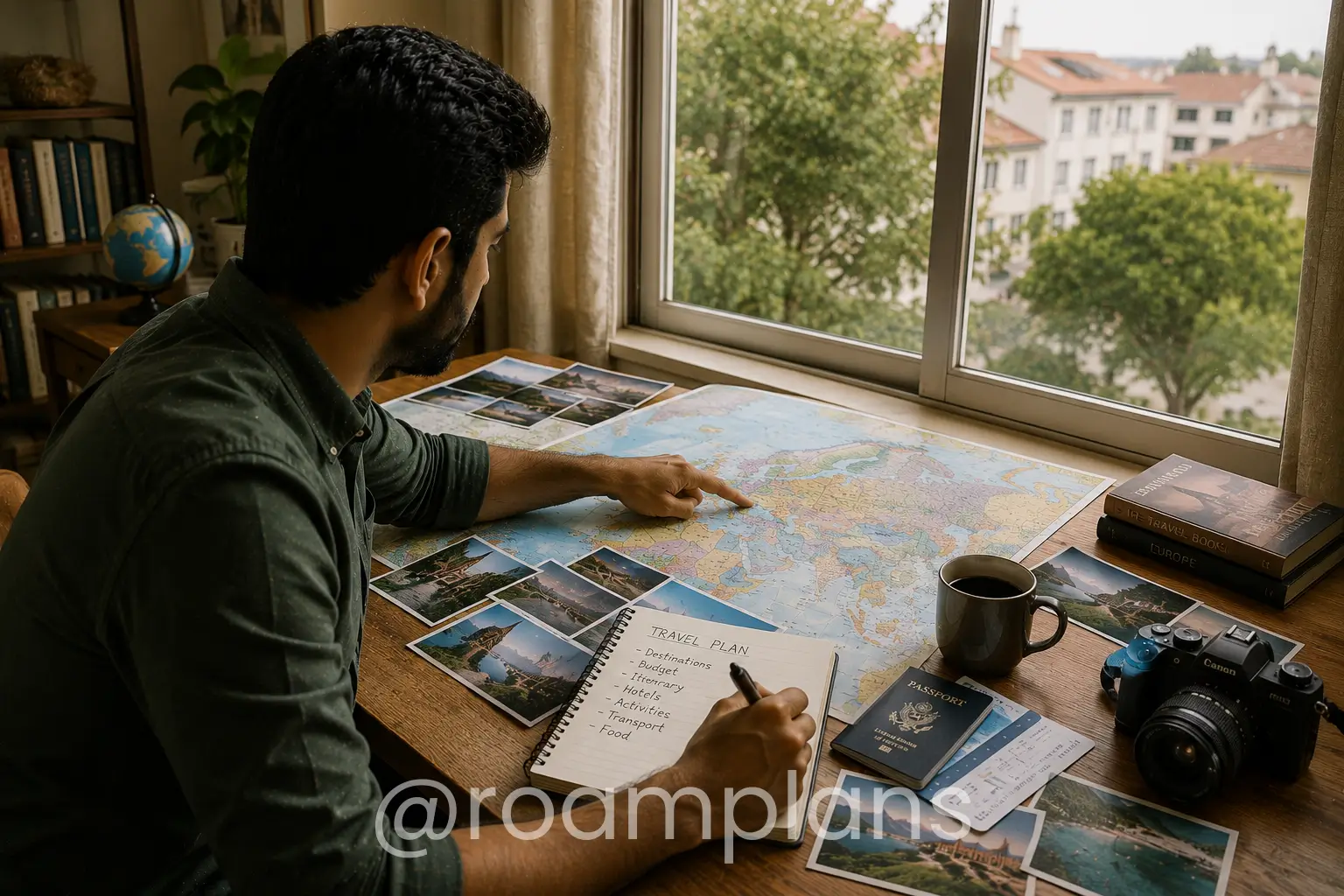
Before comparing countries or cities, think about the type of trip you want.
Many travelers start by searching for destinations.
A better approach is to decide what kind of experience you hope to have first.
Once you know what you want from the trip, many destinations naturally become better choices than others.
Ask Yourself These Questions
Before creating a shortlist, ask yourself:
- ✓Why do I want to travel?
- ✓What do I want to do most?
- ✓Do I want an active or relaxing trip?
- ✓Do I want to visit one place or several?
- ✓Do I want famous attractions or quiet locations?
- ✓Am I looking for adventure, culture, food, nature, or beaches?
There are no right or wrong answers.
Your trip should reflect your interests rather than someone else’s travel style.
Decide Your Main Travel Goal
Most trips have one main purpose.
Everything else becomes a bonus.
Choosing that purpose makes destination comparisons much easier.
Common Travel Goals
Relaxation
If your goal is to relax, you may prefer destinations that offer:
- ✓Quiet surroundings
- ✓Beaches
- ✓Resorts
- ✓Nature
- ✓Spa experiences
- ✓Slow travel
Adventure
Adventure travelers often look for places that offer:
- ✓Hiking
- ✓Mountain activities
- ✓Water sports
- ✓Road trips
- ✓Outdoor experiences
- ✓National parks
Culture and History
Some travelers enjoy learning about local traditions and history.
They may look for destinations with:
- ✓Museums
- ✓Historical landmarks
- ✓Local architecture
- ✓Ancient sites
- ✓Cultural festivals
Food and Local Cuisine
Food can be the main reason for traveling.
You may want destinations known for:
- ✓Local restaurants
- ✓Street food
- ✓Regional specialties
- ✓Cooking experiences
- ✓Food markets
City Exploration
Some people enjoy exploring large cities.
Their ideal destination may include:
- ✓Shopping
- ✓Cafés
- ✓Entertainment
- ✓Public transportation
- ✓Famous landmarks
- ✓Urban neighborhoods
Nature and Wildlife
Nature-focused travelers often prefer:
- ✓National parks
- ✓Lakes
- ✓Mountains
- ✓Forests
- ✓Wildlife reserves
- ✓Scenic viewpoints
Your trip can include several of these experiences.
However, choosing one primary goal helps narrow your destination options.
Travel Goal Comparison
| Travel Goal | You May Prefer |
|---|---|
| Relaxation | Beaches, resorts, quiet towns |
| Adventure | Mountains, hiking areas, outdoor destinations |
| Culture | Historic cities, museums, heritage sites |
| Food | Destinations known for local cuisine |
| Nature | National parks, lakes, forests |
| City Break | Major cities with attractions and public transport |
You do not need to decide the exact destination yet.
Simply identify the experience that matters most.
Think About Who Is Traveling

The perfect destination for one traveler may not work for another.
Before creating your shortlist, think about everyone joining the trip.
Different travelers have different priorities.
Solo Travelers
Solo travelers often value:
- ✓Flexible itineraries
- ✓Easy transportation
- ✓Comfortable accommodation
- ✓Opportunities to meet other travelers
- ✓Independent exploration
Couples
Couples may prioritize:
- ✓Romantic settings
- ✓Shared activities
- ✓Privacy
- ✓Relaxing experiences
- ✓Memorable dining options
Families
Families often consider:
- ✓Child-friendly attractions
- ✓Comfortable accommodation
- ✓Easy transportation
- ✓Safe walking areas
- ✓Flexible daily schedules
Friends
Groups of friends may focus on:
- ✓Shared activities
- ✓Nightlife
- ✓Adventure
- ✓Entertainment
- ✓Group accommodation
Older Travelers
Some travelers may prefer destinations that offer:
- ✓Comfortable transportation
- ✓Slower travel pace
- ✓Easy walking routes
- ✓Good accessibility
- ✓Convenient accommodation
Accessibility Needs
If anyone in your group has accessibility requirements, include them in your destination decision from the beginning.
Things to consider may include:
- ✓Public transportation
- ✓Walking distances
- ✓Accommodation access
- ✓Attraction accessibility
- ✓Medical services if required
Travel Group Checklist
Before moving forward, ask yourself:
- ✓Who is traveling?
- ✓Does everyone have similar interests?
- ✓Are there children joining?
- ✓Does anyone have accessibility needs?
- ✓Does everyone agree on the general travel style?
- ✓Is the destination suitable for the whole group?
Choosing a destination that works for everyone usually leads to a much more enjoyable trip.
Create a Shortlist Instead of Choosing Immediately
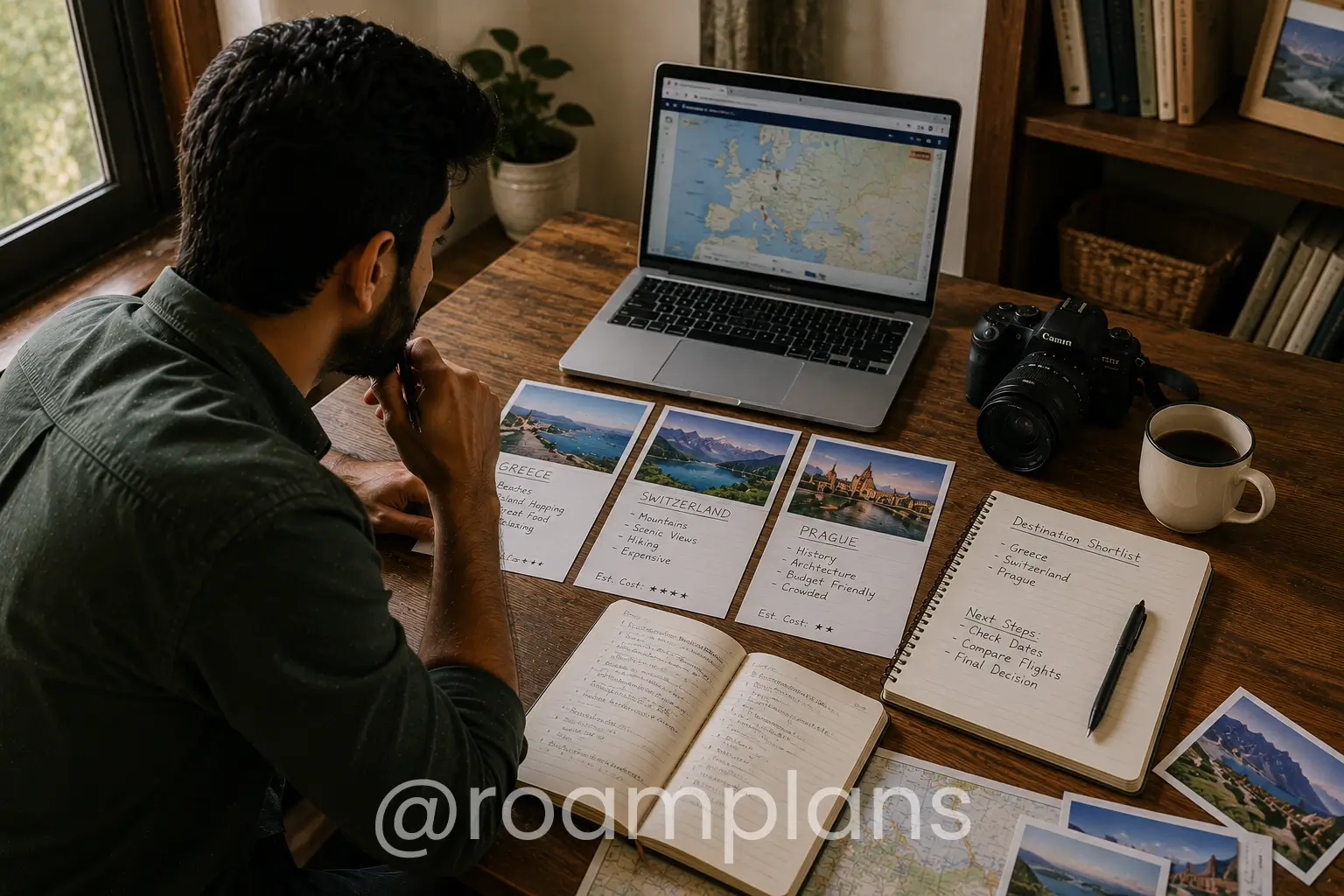
Many travelers try to choose one destination immediately.
A better approach is to build a shortlist first.
Start with three to five destinations that match your travel goals.
Then compare them using the same decision criteria throughout the rest of this guide.
Keeping a shortlist helps you make a more balanced decision instead of choosing the first destination that looks exciting online.
Example Destination Shortlist
| Destination | Why It Looks Interesting |
|---|---|
| Destination A | Matches my budget and travel style |
| Destination B | Great weather during my vacation |
| Destination C | Offers the activities I enjoy |
| Destination D | Easy transportation and shorter travel time |
| Destination E | Recommended by trusted travelers |
Do not worry about ranking them yet.
The next steps will help you compare each option more carefully before making your final decision.
For now, your goal is simply to create a realistic shortlist that matches the type of trip you want.
Check How Much Time You Have
One of the biggest mistakes travelers make is choosing a destination before thinking about how much time they actually have.
A beautiful destination is not always the right choice if your vacation is too short to enjoy it properly.
Instead of asking, “Where do I want to go?”
Ask yourself:
“What destination fits the amount of time I have available?”
Travel time, jet lag, transfers, and sightseeing all take time.
The fewer vacation days you have, the more important it becomes to choose a destination that allows you to spend more time enjoying the trip instead of traveling.
Questions to Ask Yourself
Before comparing destinations, consider these questions:
- ✓How many vacation days do I have?
- ✓How many days will I spend traveling?
- ✓Will I lose time because of long flights or layovers?
- ✓How much sightseeing can I realistically do?
- ✓Do I want a relaxed trip or a busy itinerary?
Being realistic about your available time helps you avoid unnecessary stress later.
Travel Time Comparison
| Vacation Length | Destination Type That Often Works Well |
|---|---|
| 2–3 Days | Nearby cities or short domestic trips |
| 4–7 Days | Domestic vacations or nearby international destinations |
| 1–2 Weeks | Most international trips |
| 2+ Weeks | Multi-country or long-distance travel |
This is not a strict rule.
The best destination always depends on your travel goals and personal preferences.
Think Beyond the Number of Days
Many travelers only count their vacation days.
They forget that travel itself also uses valuable time.
For example:
- ✓Long airport check-in times
- ✓Connecting flights
- ✓Border crossings
- ✓Ferry transfers
- ✓Long road journeys
- ✓Jet lag after arrival
These factors can reduce the amount of time you actually spend enjoying your destination.
Sometimes, a closer destination provides a better overall experience than a place that requires two full days of travel.
Set a Realistic Destination Budget
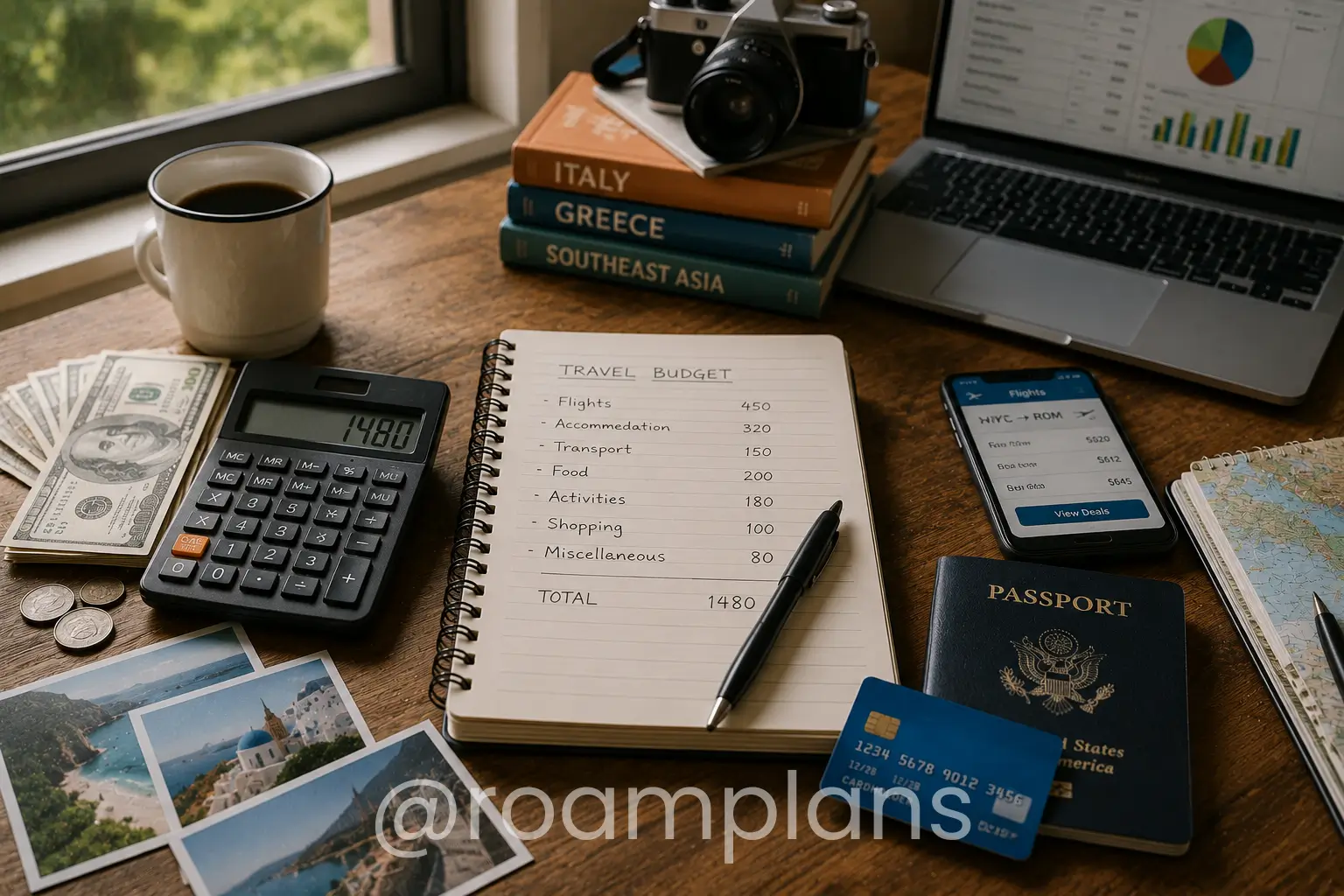
Budget is one of the most important factors when choosing a destination.
However, your budget should help you compare destinations—not stop you from traveling altogether.
Instead of asking whether a destination is cheap or expensive, ask whether it fits the amount you are comfortable spending.
This approach usually leads to better travel decisions.
Consider the Total Trip Cost
Many travelers only compare flight prices.
In reality, transportation is only one part of the overall cost.
Think about the complete travel budget, including:
- ✓Transportation
- ✓Accommodation
- ✓Food and drinks
- ✓Local transportation
- ✓Attractions
- ✓Shopping
- ✓Emergency spending
Looking at the complete picture makes destination comparisons much more accurate.
Budget Comparison Checklist
Before choosing a destination, ask yourself:
- ✓Can I comfortably afford transportation?
- ✓Does accommodation fit my budget?
- ✓Are daily expenses realistic?
- ✓Can I enjoy activities without overspending?
- ✓Have I allowed room for unexpected costs?
If several destinations interest you, compare all of them using the same budget categories.
This makes your decision much easier.
Match the Destination with Your Travel Dates
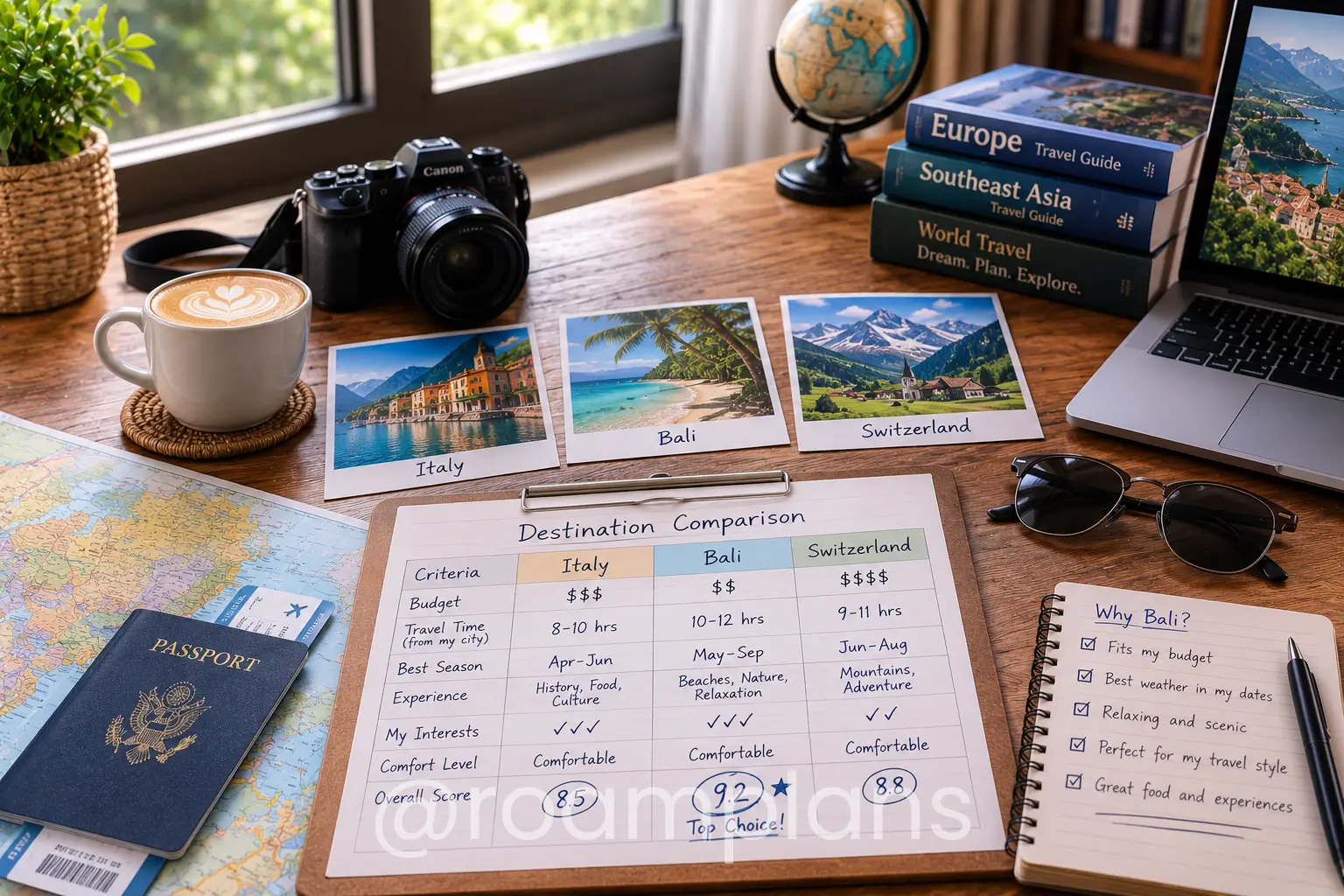
A destination can feel completely different depending on when you visit.
The same city may be busy during one season and quiet during another.
Weather, crowds, local events, and seasonal conditions all influence your travel experience.
That is why your travel dates should be considered before making a final destination decision.
Compare Seasonal Conditions
When reviewing possible destinations, consider:
- ✓Average weather
- ✓Peak travel season
- ✓Shoulder season
- ✓Rainy season
- ✓Local festivals
- ✓Holiday crowds
- ✓Seasonal attractions
You do not need to become an expert on every destination.
You only need enough information to decide whether your planned travel dates are suitable.
Travel Date Comparison Table
| Factor | Why It Matters |
|---|---|
| Weather | Affects outdoor activities and comfort |
| Crowds | Can influence your overall experience |
| Local Events | May improve or limit availability |
| Seasonal Attractions | Some experiences are only available during certain months |
| Prices | Costs often change throughout the year |
Choosing a destination that matches your travel dates often leads to a more enjoyable trip than choosing a destination based only on popularity.
Consider Travel Distance and Journey Difficulty
Not every traveler enjoys long journeys.
Some people love overnight flights and long road trips.
Others prefer arriving quickly so they can begin exploring.
Neither approach is right or wrong.
The important thing is choosing a destination that matches your comfort level.
Think About the Journey
When comparing destinations, consider:
- ✓Flight duration
- ✓Number of connections
- ✓Road travel time
- ✓Ferry or train transfers
- ✓Time-zone changes
- ✓Recovery time after arrival
A shorter journey may leave you with more energy to enjoy your vacation.
Journey Comparison Checklist
- ✓Is the travel time reasonable?
- ✓Am I comfortable with multiple connections?
- ✓Will I lose vacation time because of long travel?
- ✓Does the journey fit my travel style?
- ✓Is there an easier destination that offers a similar experience?
For shorter vacations, a nearby destination may provide a better balance between travel time and sightseeing.
Check Passport, Visa, and Entry Requirements
Entry requirements should never be the last thing you check.
A destination may seem perfect until you discover that you need extra documents or additional preparation before you can travel.
Checking these requirements early helps you compare destinations more confidently.
Things to Review
Before making your final decision, check:
- ✓Passport validity requirements
- ✓Visa requirements
- ✓Entry permits if applicable
- ✓Health or vaccination requirements when relevant
- ✓Any official travel documents needed before departure
You do not need to study every detail yet.
At this stage, simply confirm that the destination matches the amount of planning time you have available.
If you need help preparing passports, visas, and other travel documents, our upcoming Travel Documents Guide explains each step in detail.
Review Safety and Comfort
A destination may fit your budget and schedule, but that does not automatically make it the right choice.
You should also consider whether you will feel comfortable traveling there.
Safety and comfort mean different things for different travelers.
For some people, it means reliable public transportation.
For others, it may mean easy communication, accessible facilities, or a destination that feels welcoming for their travel style.
The goal is not to find a destination with no risks.
The goal is to choose one that matches your personal comfort level.
Things to Consider
When comparing destinations, think about:
- ✓Official travel advice
- ✓Local transportation
- ✓Healthcare availability if needed
- ✓Language differences
- ✓Walking conditions
- ✓Accessibility
- ✓General travel experience required
These factors can make a big difference to your overall trip.
Safety and Comfort Checklist
Before making your decision, ask yourself:
- ✓Am I comfortable traveling there?
- ✓Is transportation easy to use?
- ✓Will communication be manageable?
- ✓Does the destination suit my travel experience?
- ✓Does it meet my accessibility or health needs?
Every traveler has a different comfort level.
Choose a destination that allows you to enjoy your trip with confidence.
Check Whether the Destination Supports Your Must-Do Activities
A destination may look beautiful in photos but still leave you disappointed if it does not offer the experiences you actually want.
Before making your final decision, think about the activities that matter most to you.
Your destination should support those interests rather than forcing you to change your travel goals.
Identify Your Priorities
Ask yourself:
- ✓What do I most want to experience?
- ✓Which activities would make this trip memorable?
- ✓Are these activities available during my travel dates?
Knowing your priorities helps you compare destinations more fairly.
Activity Comparison Examples
Different travelers look for different experiences.
For example:
- ✓Beaches and swimming
- ✓Hiking and nature trails
- ✓Museums and history
- ✓Local food experiences
- ✓Wildlife viewing
- ✓Shopping
- ✓Photography
- ✓Festivals and cultural events
- ✓Scenic road trips
- ✓Outdoor adventure
You do not need a destination that offers everything.
You only need one that offers the experiences that matter most to you.
Activity Checklist
- ✓Does this destination match my interests?
- ✓Are my favorite activities available?
- ✓Can I realistically enjoy them during my visit?
- ✓Will I leave feeling satisfied with my experience?
The more your destination matches your interests, the more enjoyable your trip is likely to be.
Compare Your Shortlisted Destinations

By now, you should have several possible destinations.
Instead of choosing one based on emotion alone, compare them using the same criteria.
This makes your decision more objective and helps you see which destination best fits your trip.
Destination Comparison Table
| Comparison Factor | Destination A | Destination B | Destination C |
|---|---|---|---|
| Fits My Budget | ✓ | ✓ | ✗ |
| Fits My Vacation Time | ✓ | ✓ | ✓ |
| Good Weather | ✓ | ✗ | ✓ |
| Activities I Want | ✓ | ✓ | ✓ |
| Easy Transportation | ✓ | ✗ | ✓ |
| Entry Requirements | ✓ | ✓ | ✗ |
| Overall Comfort | ✓ | ✓ | ✓ |
There is no perfect destination.
The goal is to identify the option that performs well across the factors that matter most to you.
Use a Simple Destination Scorecard
If several destinations still look equally attractive, give each one a simple score.
This method helps remove guesswork from your decision.
Score every destination from 1 to 5 for each category.
Then compare the totals.
Example Scorecard
| Factor | Weight | Destination A | Destination B | Destination C |
|---|---|---|---|---|
| Budget Fit | 5 | 4 | 5 | 3 |
| Vacation Time | 5 | 5 | 4 | 4 |
| Weather | 4 | 4 | 5 | 3 |
| Activities | 5 | 5 | 4 | 4 |
| Entry Requirements | 3 | 5 | 4 | 2 |
| Comfort Level | 4 | 4 | 5 | 3 |
You do not need complicated calculations.
The scorecard simply helps you compare your options using the same standards.
Remove Destinations That Do Not Meet Your Main Requirements
At this stage, it becomes easier to eliminate destinations that are no longer the best fit.
Instead of focusing on what looks exciting, focus on what works for your current trip.
Separate Needs from Preferences
A useful way to make your final decision is to divide your list into three groups.
Must-Haves
These are requirements your destination should meet.
Examples include:
- ✓Fits your budget
- ✓Matches your available time
- ✓Supports your preferred activities
- ✓Suitable travel season
- ✓Comfortable travel experience
Nice-to-Have Features
These are benefits that improve the trip but are not essential.
Examples include:
- ✓Famous landmarks
- ✓Shopping opportunities
- ✓Luxury accommodation
- ✓Popular restaurants
- ✓Unique attractions
Deal-Breakers
These are factors that make a destination unsuitable for this trip.
Examples include:
- ✓Outside your budget
- ✓Not enough vacation time
- ✓Poor seasonal conditions
- ✓Difficult transportation
- ✓Entry requirements you cannot meet
Removing unsuitable destinations is often easier than trying to decide between too many good options.
Once you narrow your list, the final choice usually becomes much clearer.
Research Your Final Two Choices
After removing unsuitable destinations, you may only have two strong options left.
Now is the time to compare them more carefully.
Instead of researching ten destinations, you only need to focus on the finalists.
Compare These Areas
Look at:
- ✓Estimated transportation costs
- ✓Accommodation choices
- ✓Typical daily expenses
- ✓Weather during your travel dates
- ✓Main attractions
- ✓Local transportation
- ✓Entry requirements
Avoid spending hours researching destinations that are already unlikely to fit your trip.
Focusing on your final two choices saves time and makes your decision much easier.
Make Your Final Destination Decision

After comparing your shortlisted destinations, it is time to make your final decision.
Do not wait until you find a destination that is perfect in every way.
Every destination has advantages and disadvantages.
Instead, choose the one that gives you the best overall travel experience based on your priorities.
If one destination consistently fits your budget, available time, travel goals, and comfort level better than the others, it is probably the right choice for this trip.
Final Decision Checklist
Before making your choice, ask yourself:
- ✓Does this destination fit my budget?
- ✓Does it fit my available vacation time?
- ✓Can I enjoy the activities I want?
- ✓Are the travel dates suitable?
- ✓Am I comfortable with the journey?
- ✓Can I meet the entry requirements?
- ✓Does everyone traveling agree with this choice?
If you can answer “Yes” to most of these questions, you have probably found a destination that suits your trip.
What to Do After Choosing Your Destination?
Choosing your destination is an important milestone, but it is only the beginning of the planning process.
Once you know where you are going, the rest of your travel planning becomes much easier.
Your next steps may include:
- ✓Confirm your travel dates
- ✓Create a realistic budget
- ✓Check travel documents
- ✓Plan a simple route
- ✓Start booking transportation and accommodation
Avoid trying to complete everything in one day.
Taking one step at a time usually leads to a much more organized trip.
For a complete order of what to do next, continue with our Step-by-Step Trip Planning Process.
Common Mistakes When Choosing a Travel Destination
Many travelers make the same mistakes when comparing destinations.
Learning to avoid them can help you make a better decision from the start.
Choosing a Destination Only Because It Is Popular
A destination that is popular on social media may not match your interests, budget, or travel style.
Choose a destination because it fits your trip—not because everyone else is visiting it.
Ignoring Your Available Vacation Time
Trying to fit a long-distance journey into a very short vacation often creates unnecessary stress.
Choose a destination that allows you to spend more time enjoying your trip than traveling.
Focusing Only on Flight Prices
Cheap flights do not always mean an affordable vacation.
Accommodation, food, transportation, and activities should also be part of your comparison.
Forgetting About the Season
The same destination can offer very different experiences throughout the year.
Checking seasonal conditions before making your decision can help you avoid disappointment.
Trying to Visit Too Many Places
Some travelers believe that visiting more destinations automatically creates a better trip.
In reality, moving between too many places often leaves less time to enjoy each one.
Sometimes, one well-planned destination creates a much more relaxing vacation.
Choosing Without Research
Making a decision based only on a few photos or videos can create unrealistic expectations.
Spend a little time comparing your shortlisted destinations before making your final choice.
Frequently Asked Questions
Start by thinking about your travel goals, available time, budget, travel dates, and the experiences you want. Then compare several destinations before making your final decision.
A shortlist of three to five destinations is usually enough. Comparing too many options can make the decision more difficult.
It is usually easier to decide on a comfortable budget first and then compare destinations that fit within it.
Compare both destinations using the same factors, such as budget, travel time, weather, activities, comfort, and entry requirements. A simple scorecard can make the final choice much easier.
Yes. Weather can affect outdoor activities, sightseeing, transportation, and your overall travel experience. Always compare seasonal conditions before making a final decision.
In many cases, yes. Shorter journeys often give you more time to enjoy your destination instead of spending your vacation traveling.
Start by identifying everyone’s most important priorities. Then compare destinations that satisfy the largest number of shared preferences.
Yes. If your plans, budget, or travel dates change, it is perfectly reasonable to compare your options again before making bookings.
Final Thoughts
Choosing a travel destination does not have to feel overwhelming.
Instead of selecting the first place that catches your attention, take a little time to compare your options carefully.
Think about the experience you want, the people traveling with you, your available time, your budget, travel dates, comfort level, and the activities that matter most.
As you compare each destination using the same criteria, the best option often becomes much easier to identify.
Remember that there is no single “perfect” destination.
The right destination is the one that best fits your trip, your priorities, and your travel style.
Once you have made your decision, you can move on to the next stage of planning with confidence, knowing you have chosen a destination that truly suits your journey.

Adnan Ahmed
RoamPlans AuthorTravel Planning Researcher & Editor
Adnan Ahmed is the travel planning researcher and editor behind RoamPlans. He creates clear, practical guides to help travelers compare destinations, plan routes, estimate costs, and avoid common trip-planning mistakes. His work combines careful source research, official travel information, and regular content reviews to keep each guide useful and current.
- ✓Destination Research
- ✓Budget Planning
- ✓Route Planning
- ✓Beginner Travel Guides

Turn This Guide into a Practical Trip Plan
Use the recommended Free Travel Itinerary Builder or explore more free RoamPlans tools.